SLOP IS HIP.
The future has arrived a bit too soon, and they tell us that we now have thinking machines. What could go wrong? For better or worse it certainly seems as if our new friend, artificial “intelligence”, is here to stay- for an extended visit anyway. And for many of us, it’s starting to get a little bit unsettling. What started out as an exciting new technological development a few short years ago has already morphed into a potentially all-encompassing monster, posing profound existential threats to humanity on so many different levels that it boggles the mind. It seems as if just last year “AI” was still about Will Smith pasta videos and a slightly more impressive chatbot. Now suddenly we’re all supposed to be on board with thousands of data centers using up millions of gallons of our precious water and destroying our communities, LLMs (language learning models) replacing vast swaths of our jobs, and autonomous robots close behind to replace whatever remaining occupations might be left. Black Mirror has gone from fiction to fact in a frighteningly short time, and it’s kind of alarming. With the insane pace of these changes we’ve seen, it’s not hard to see why resistance to AI’s vision of a brave new world was certainly inevitable.
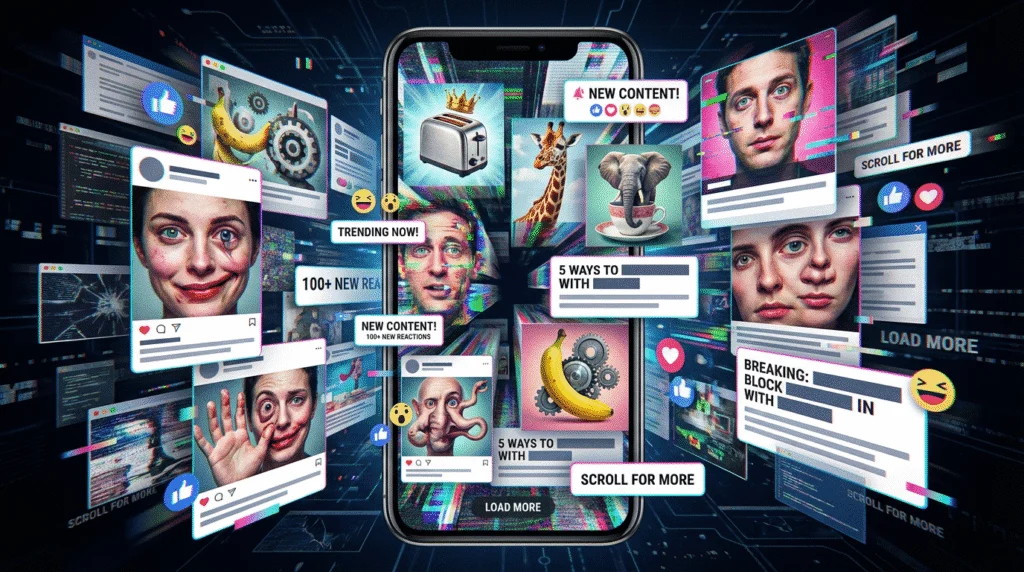
The slop backlash is real, and I get it. In fact, even as I will cop to enjoying the odd AI-generated video series (Bambi the Destroyer is a favorite), I recognize the inherent dangers of AI and the horrible “slopification” of our online world. AI-created “graphic design”, now unavoidable, is an absolute blight on our communal visual landscape. AI “music” has invaded our streaming services. AI video is now often convincing enough that we literally can’t- and shouldn’t- believe anything we see on a screen (though many do), further amplifying that disconnection from reality already entrenched by decades of virtual life. And AI “psychosis”, a dangerous delusional mental state resulting from extended periods spent with chatbots, is a very real phenomenon that, frighteningly, seems to be affecting the hyper-rich “tech bros” even more than the rest of us plebs. (PS this bog post, like all of my posts, was not created with any chatbot assistance whatsoever. I like the old-fashioned forms of psychosis, thank you very much).
But a few short years ago, AI was still a shiny new toy, and many of us, myself included, found it quite interesting. I resisted the temptation to try chatbots after 1 or 2 awkward attempts, but started wondering if there might possibly be something else I could use this toy for after all. In 2023 I started playing around with AI-generated images, because I knew I was interested in using AI for at least one very specific use case: to help create virtual models for my clothing.
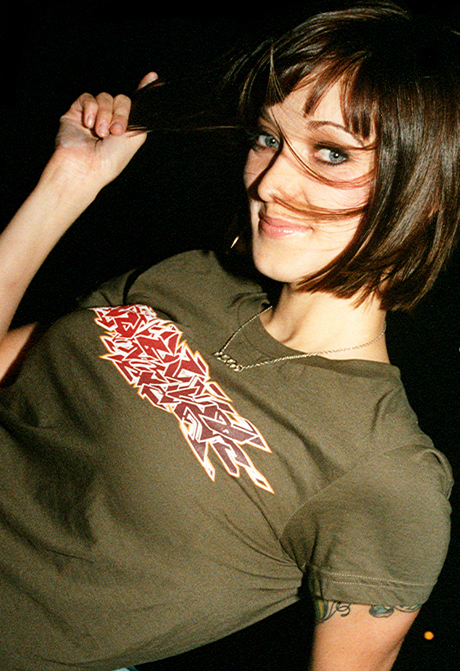
ZBQ used to be like many other small clothing brands: I would purchase blank shirts, print them with a bunch of designs and sell them. And in those days, it made sense to find people who would be willing to model the printed product and use those pictures to promote the clothing. Since I was “mass producing” one set of common items at a time, that way of doing things worked out great. I found many people willing to send pics of themselves in exchange for free merch, and a mutually-beneficial arrangement was made that resulted in hundreds of very cool photos.
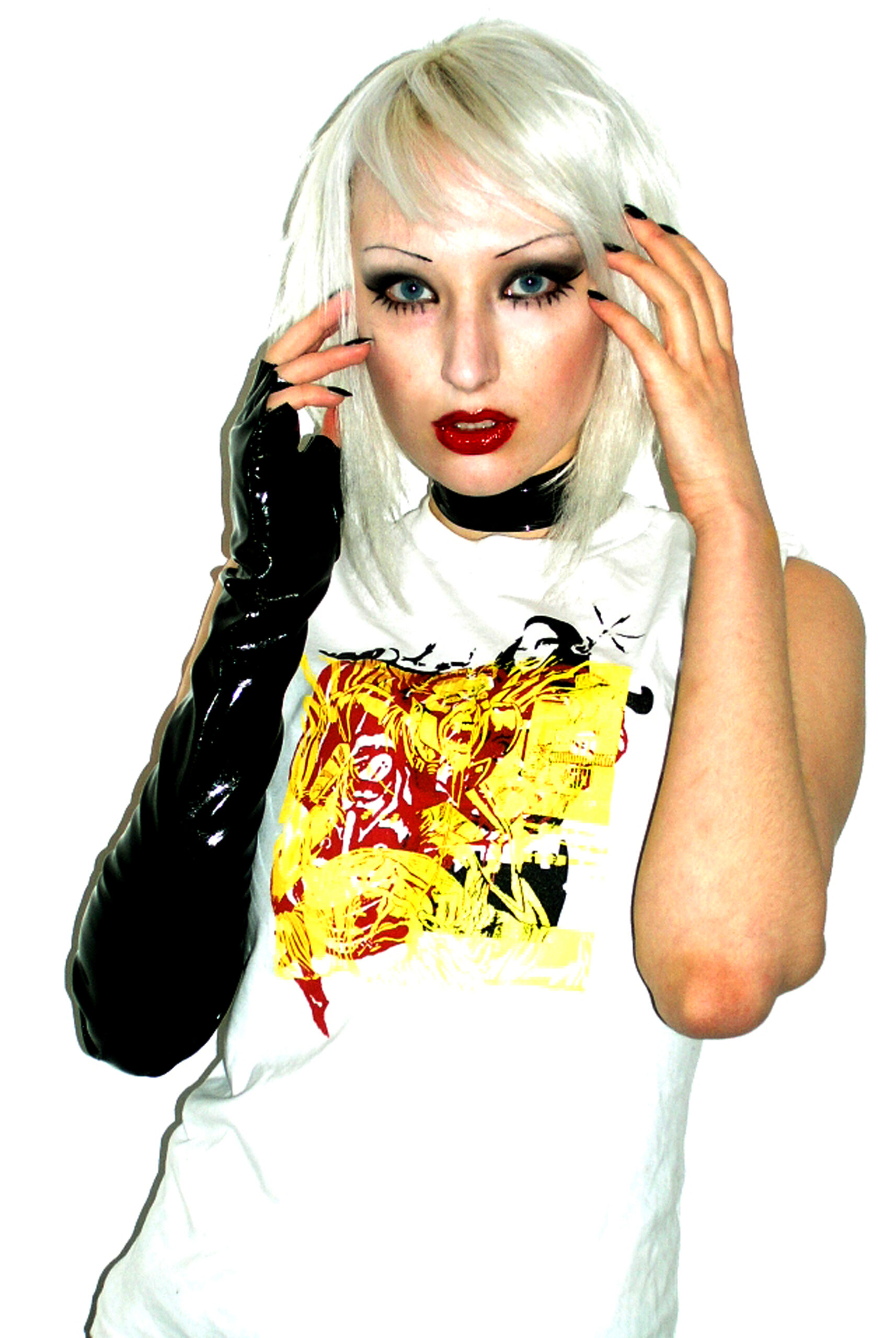
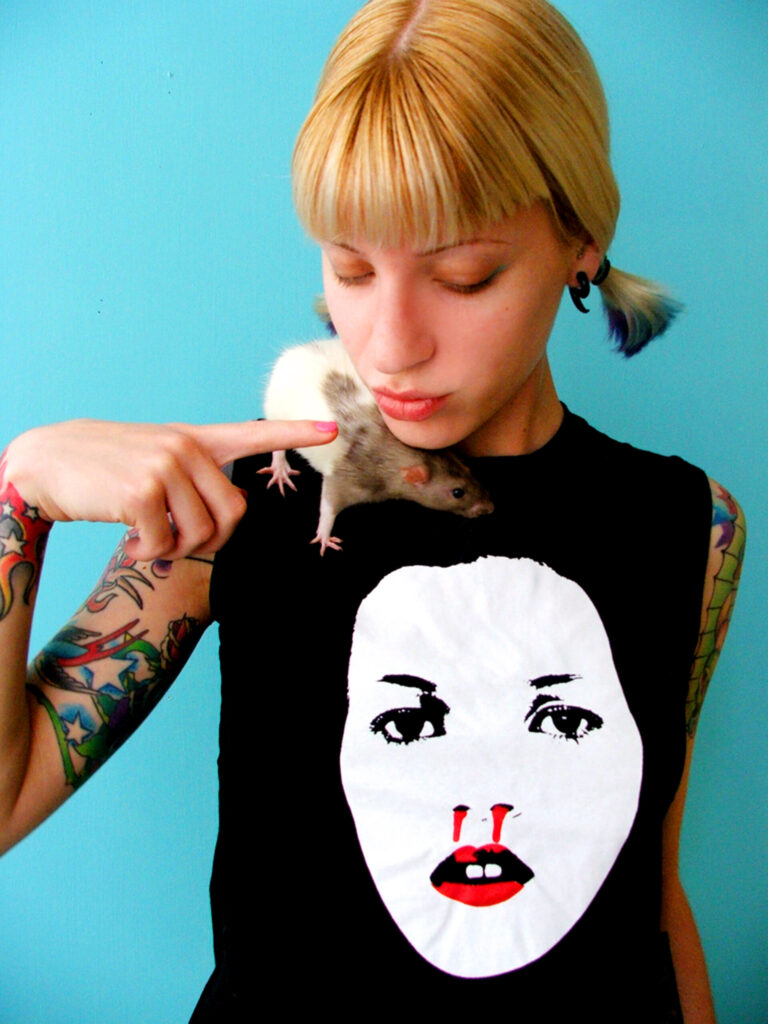
But that all changed around 2010. That’s when I started sewing my own custom clothing. From the very start, I loved the idea of making one-of-a-kind pieces. I thought if you’re going to make something by hand, why not put that extra bit of effort in to make each garment completely unique? So, with a few exceptions, that’s what I’ve done since then, and it’s resulted in a large legacy of clothing items that have never been duplicated.
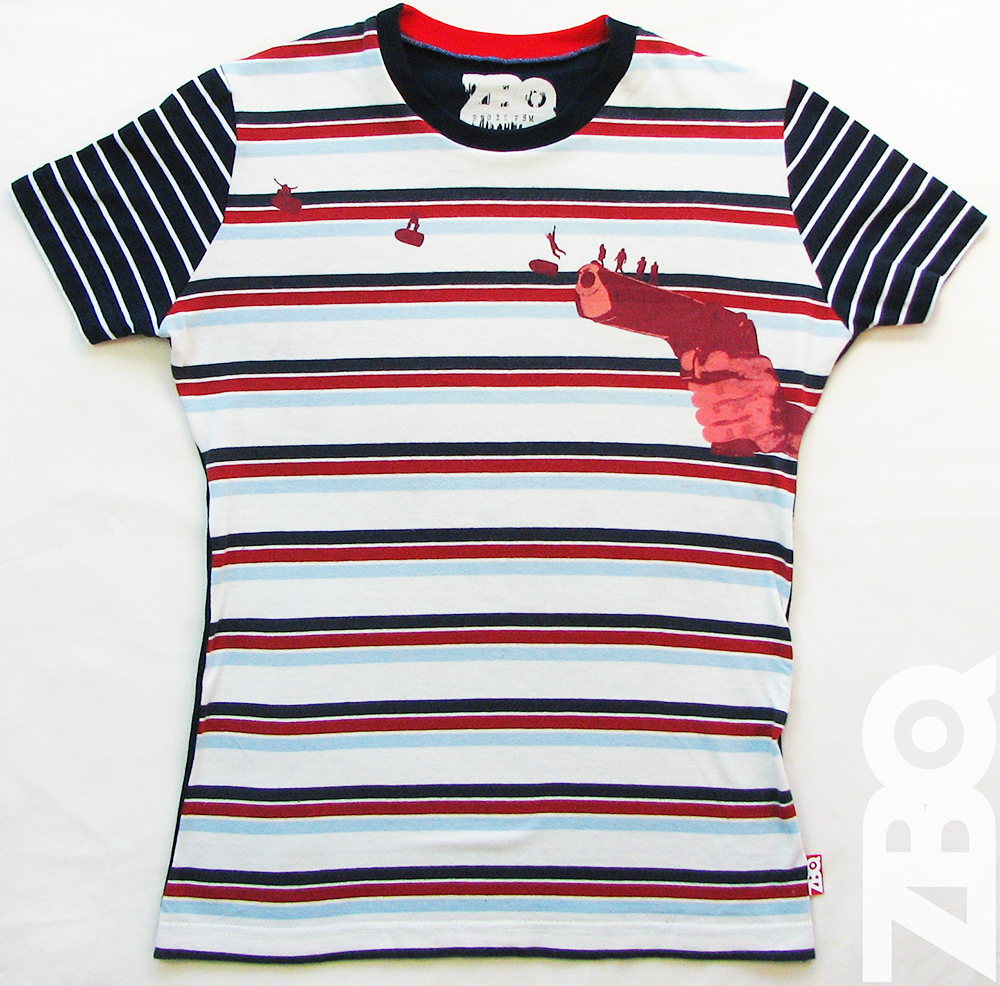
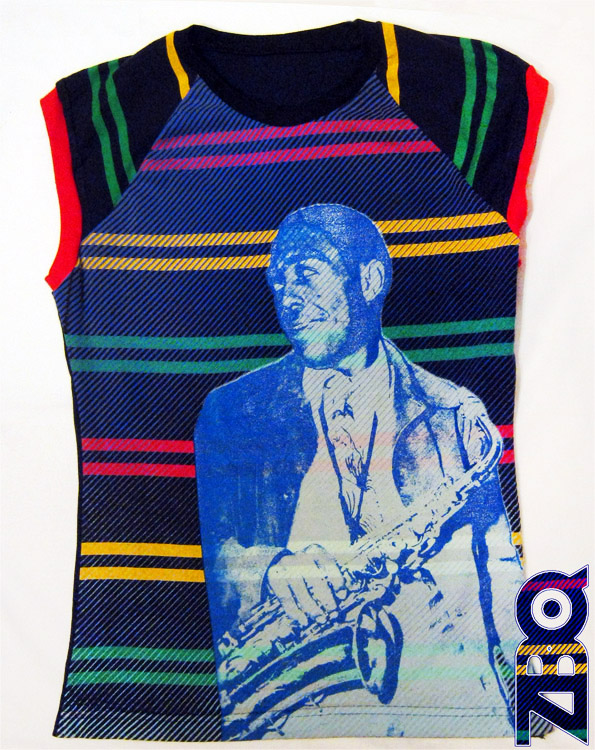
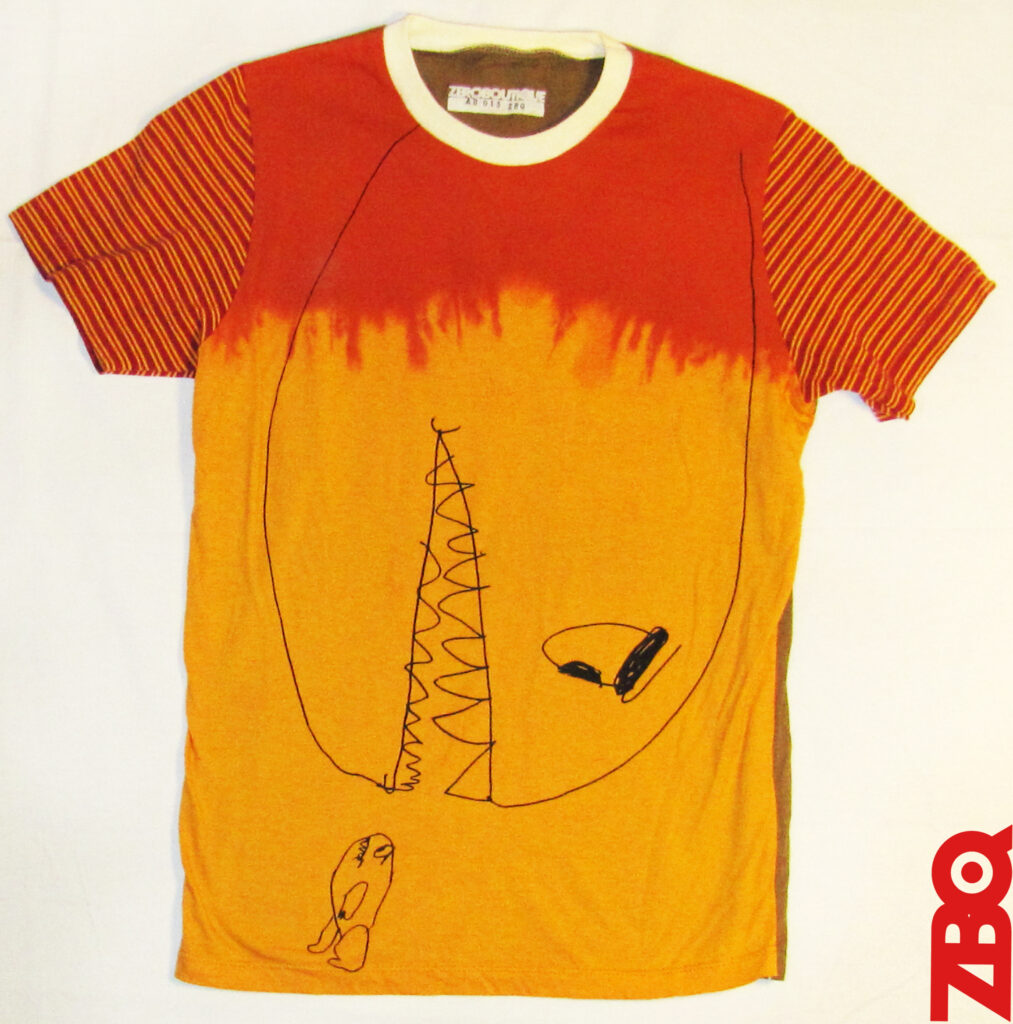
Great idea for a clothing brand, but the logistics of getting pictures of models wearing these unique pieces is a bit complicated. Yes, I could have continued to hire models to pose for photos, but with only one of each in existence, that sort or ruled out sending them out to people in the mail. Plus is having someone else wear a shirt really fair to the person who wants to buy it? Now it’s been worn: potentially stretched, sweaty or dirty. Armpit contact confirmed: hardly encouraging. Besides the new custom sewn pieces, I continued printing on generic t-shirts and also made multiples of certain things, which I was able to photograph, but for the majority of my new pieces, for the next several years they remained as generic product shots: a flat shirt lying on a white background. If only I could somehow find a way to get pictures of people, even virtual people, wearing my stuff without actually having to wear it.
Fast-forward to 2023, and enter AI-generated images.

I watched the early iterations of AI artwork with a great deal of interest, both for the potential for my own applications and also just because the whole phenomenon was fascinating. I read with captivation how these early pioneers were running language learning models on their home PCs, and I wanted to try it for myself. But the cost of the needed hardware, which was considerable, and the amount of technical savvy needed to implement the software were both very prohibitive. I was interested, but not $3000+ interested. Then in 2023 Stable Diffusion came out with one of the first web-based AI image generators. Somehow I got on a list as a kind of beta tester and had unlimited free credits for several months. Finally, I could start building my virtual army of perfect models who would surely make me an overnight millionaire at the push of a button! Riiight?
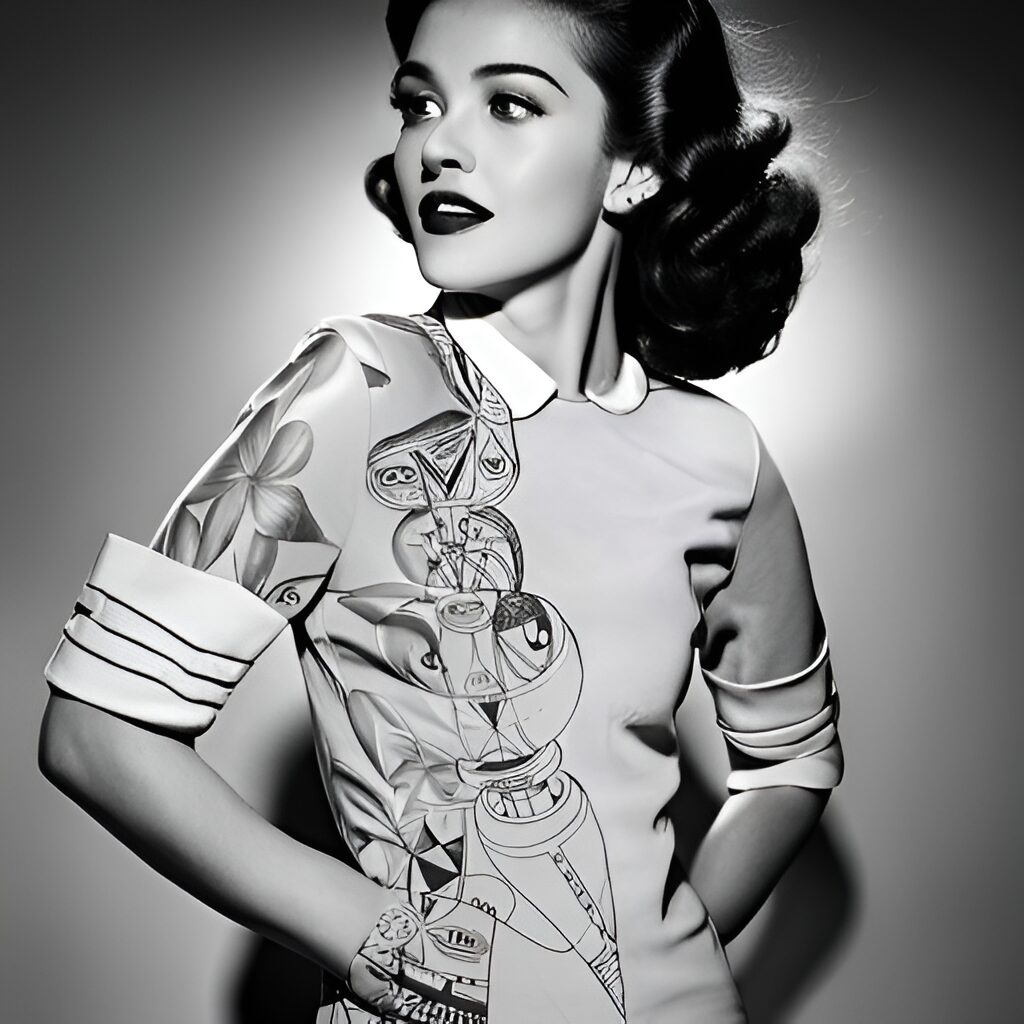
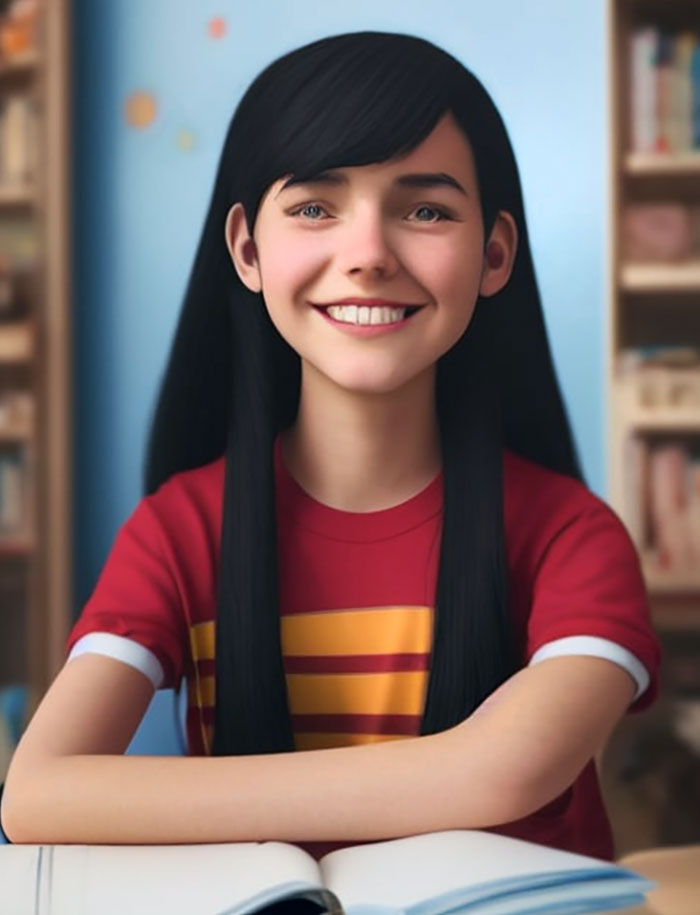
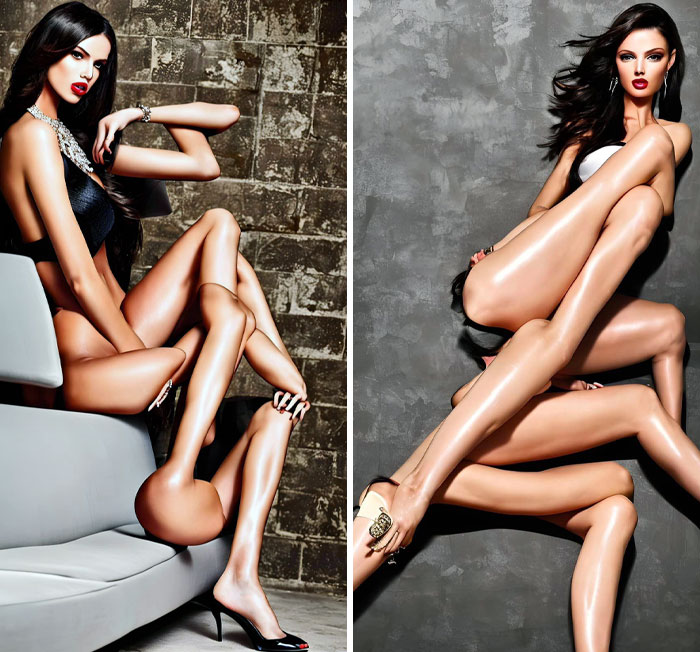
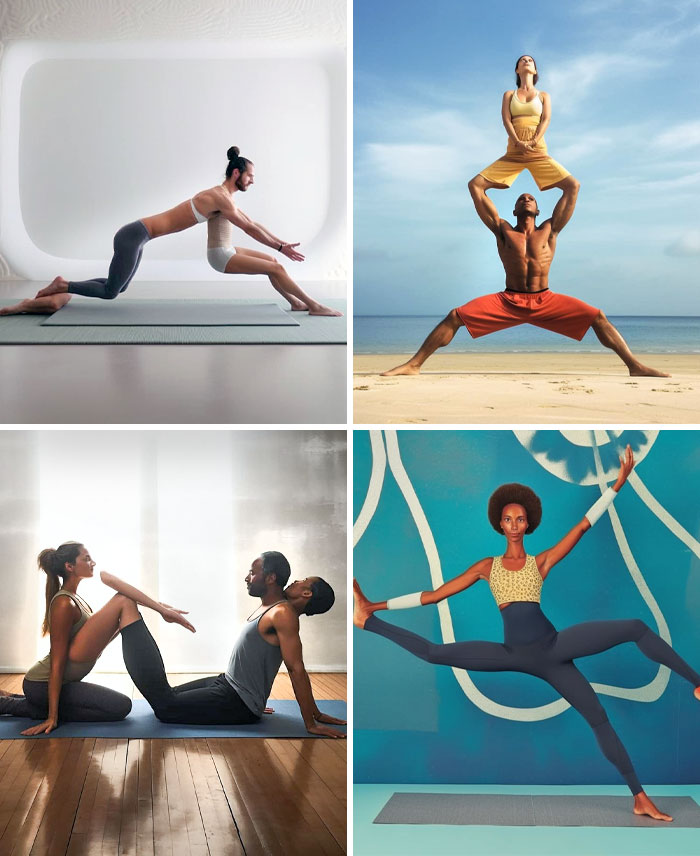
OK, I wasn’t that naive, but I was definitely in for a rude awakening. AI image generation initially seemed very impressive at the time due to the novelty and speed, but upon closer inspection I had to admit that the images more often than not left much to be desired. Hands frequently had too many fingers, or were portrayed in impossible positions. Faces which seemed passable at first glance were revealed to have many creepy, otherworldly features: eyes that didn’t match, teeth that blended into lips, missing ears, off-putting scars and dark holes in strange places. But I was bound and determined to try and get results. And what a long and mostly fruitless effort that ended up being. Besides the “uncanny-valleyness” of these virtual humans, it became nearly impossible to convince them to realistically wear a ZBQ shirt. I could usually get about 90% of the way there, but it was just never convincing. Nonetheless, I used a lot of these early images for a mini launch of collections in early 2024 as a kind of dry run. But I ultimately decided to remove most of these, as they just looked too artificial. I had other things to do with my time so, my free credits having run out with SD, I let the whole idea go, at least for the time being.
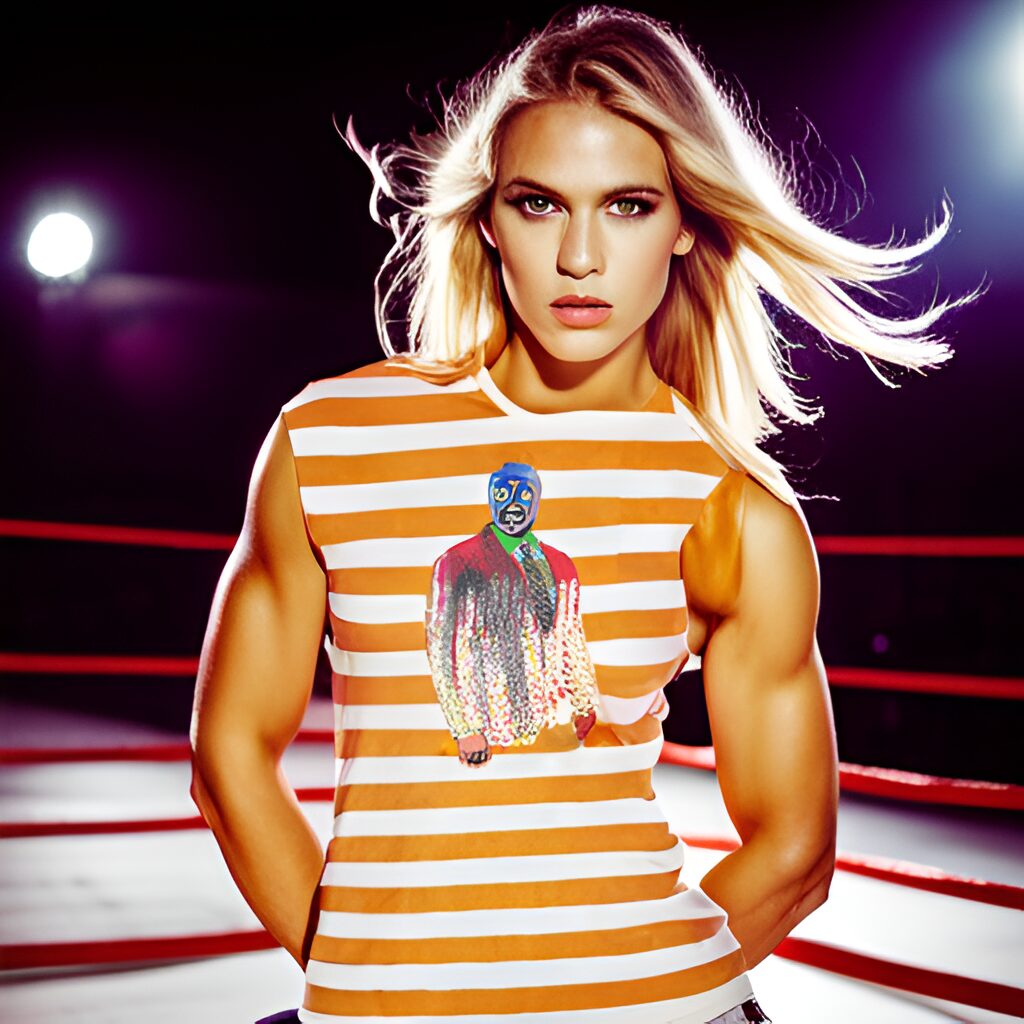
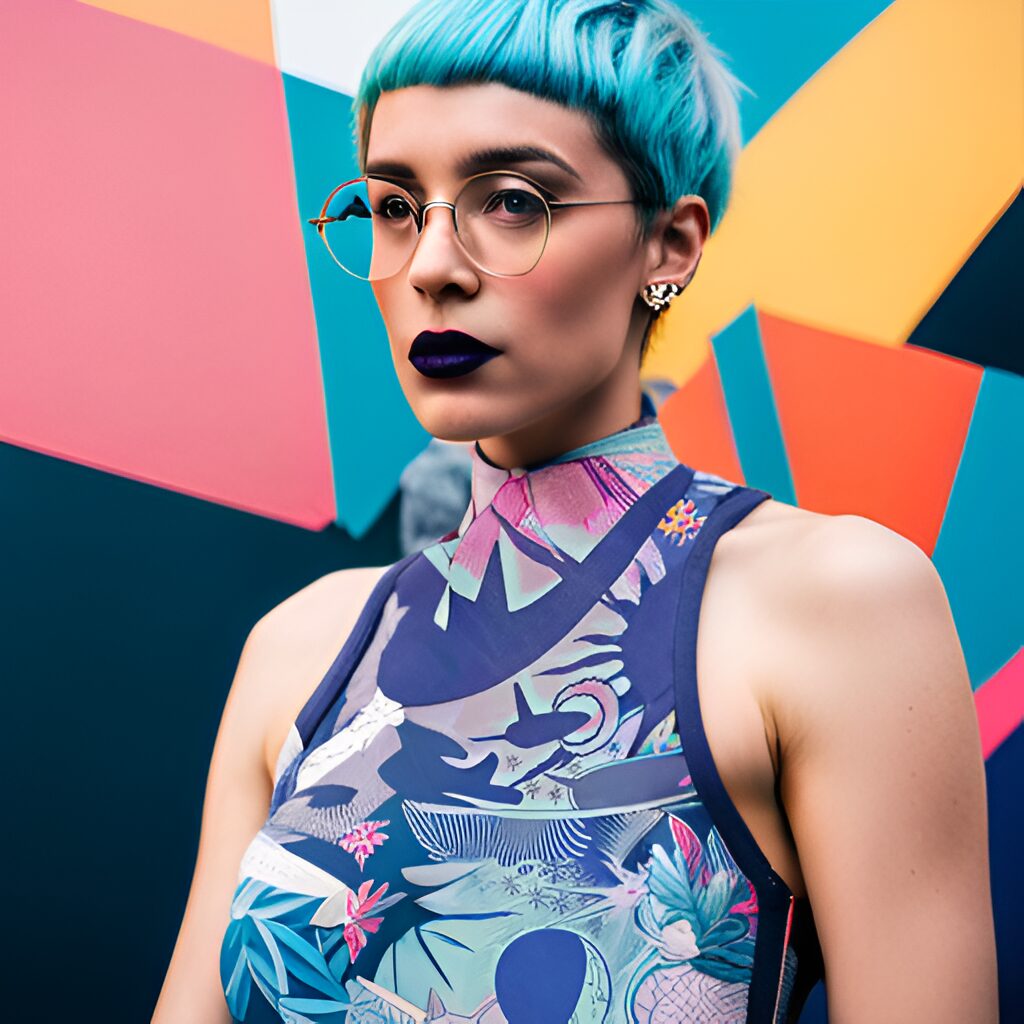
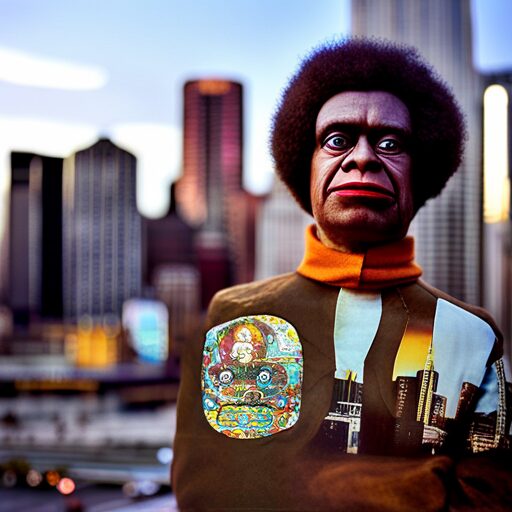
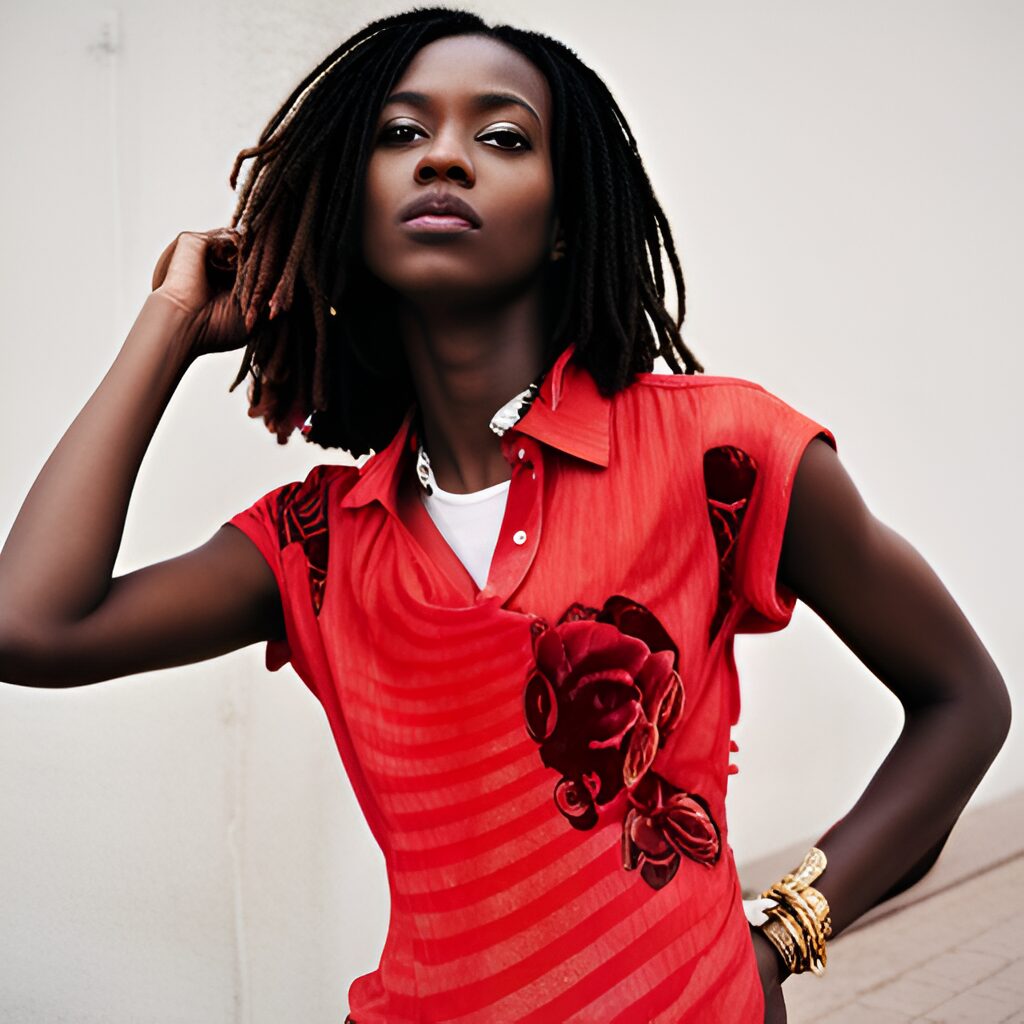
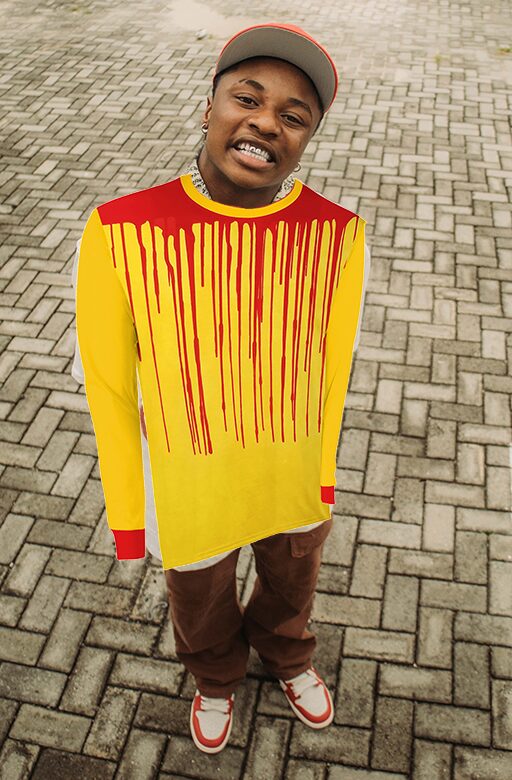
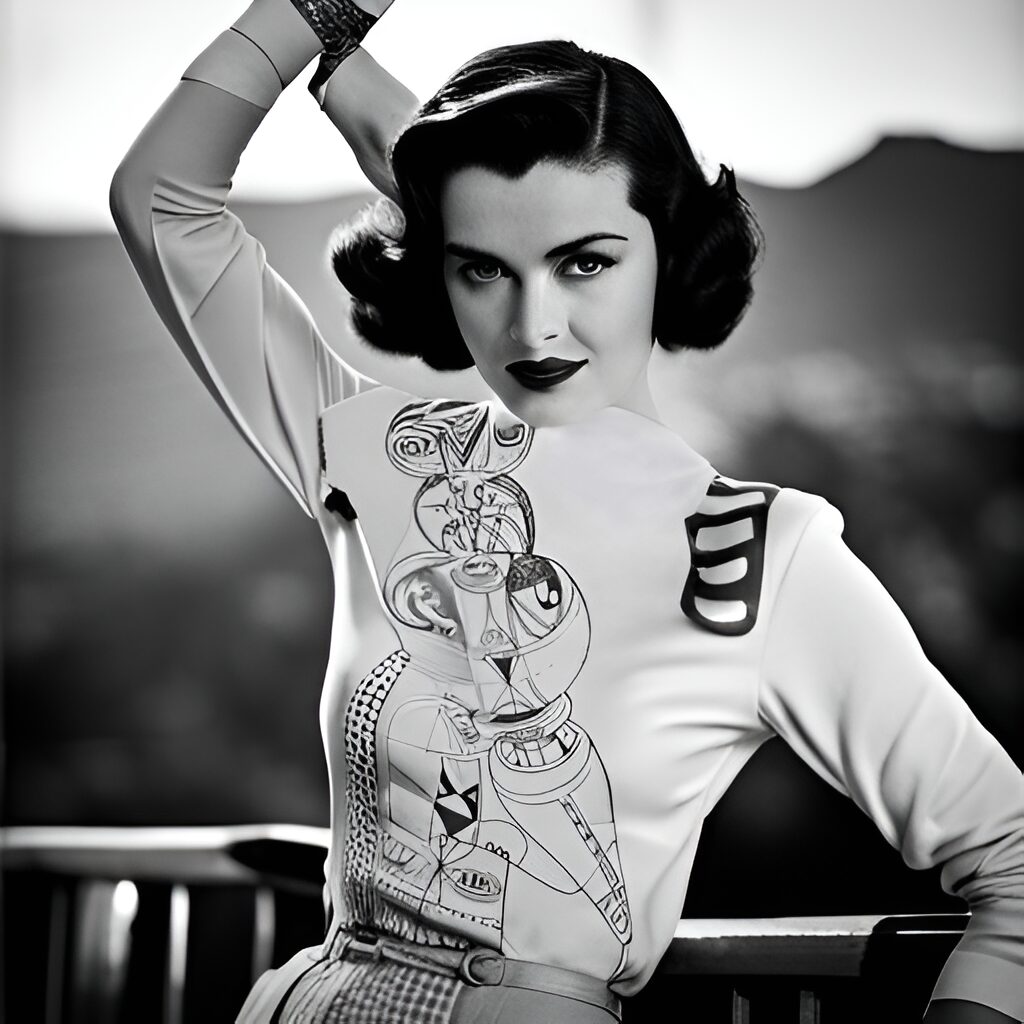
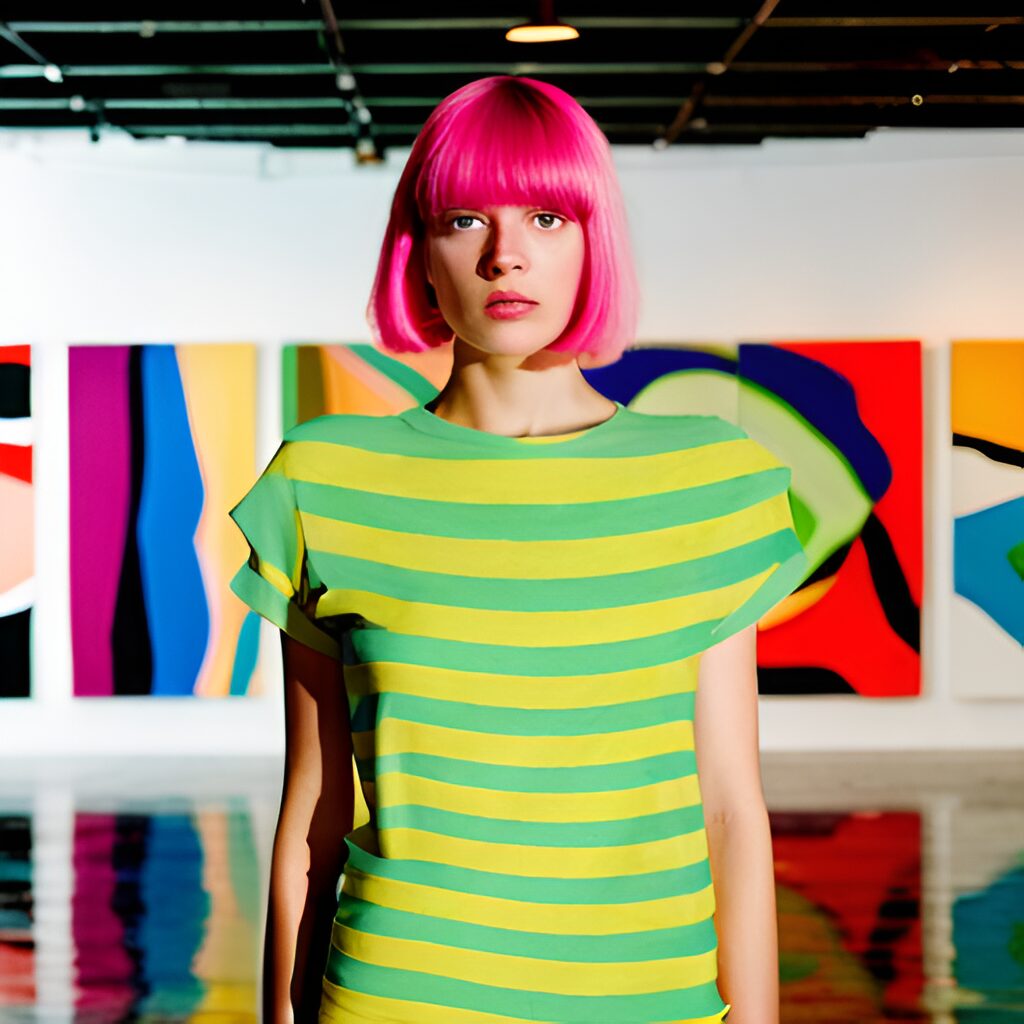
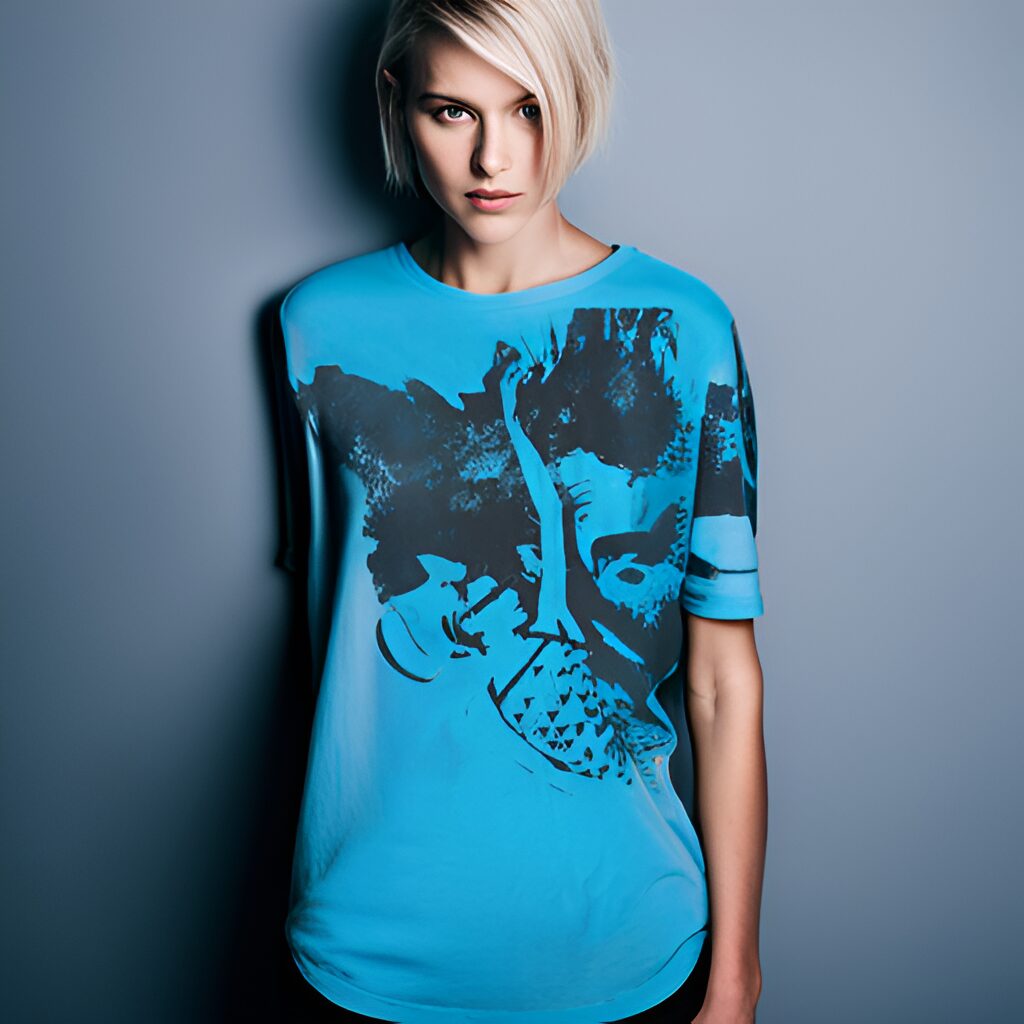
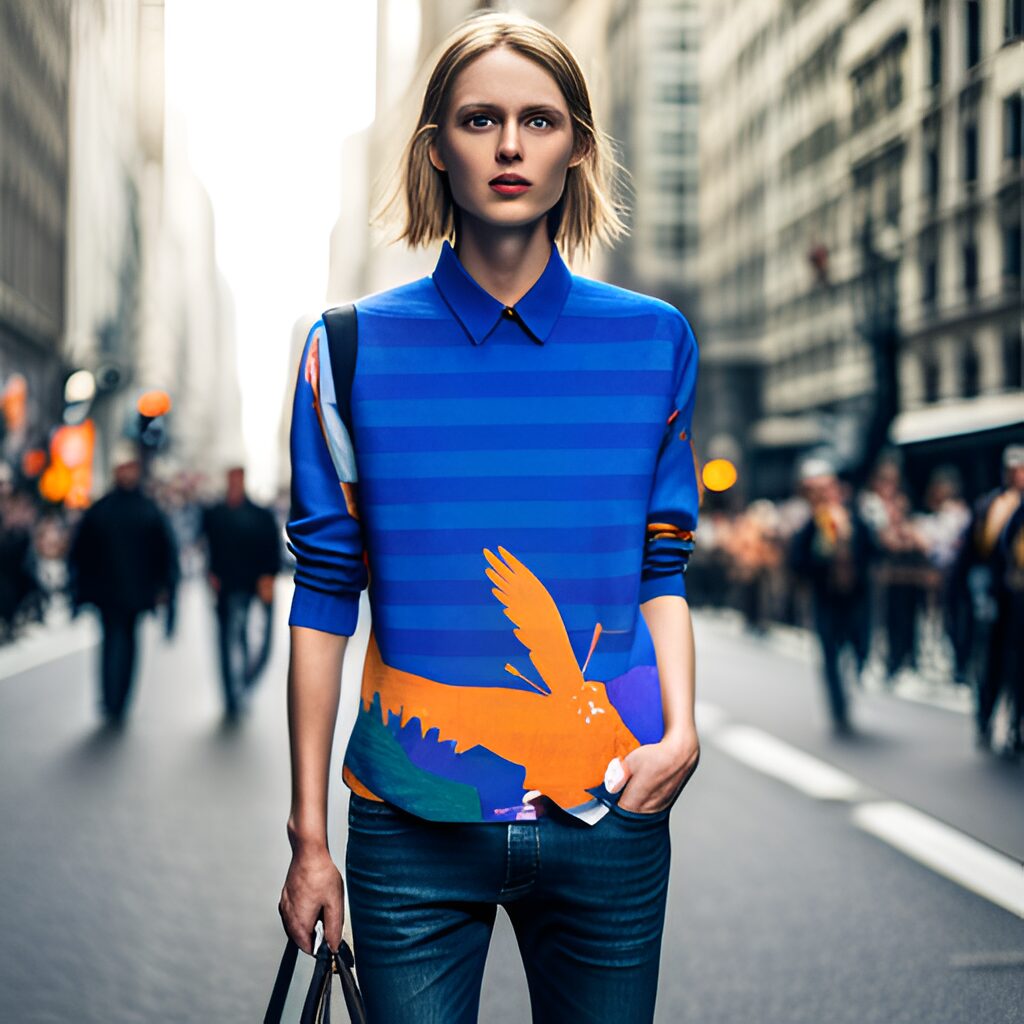
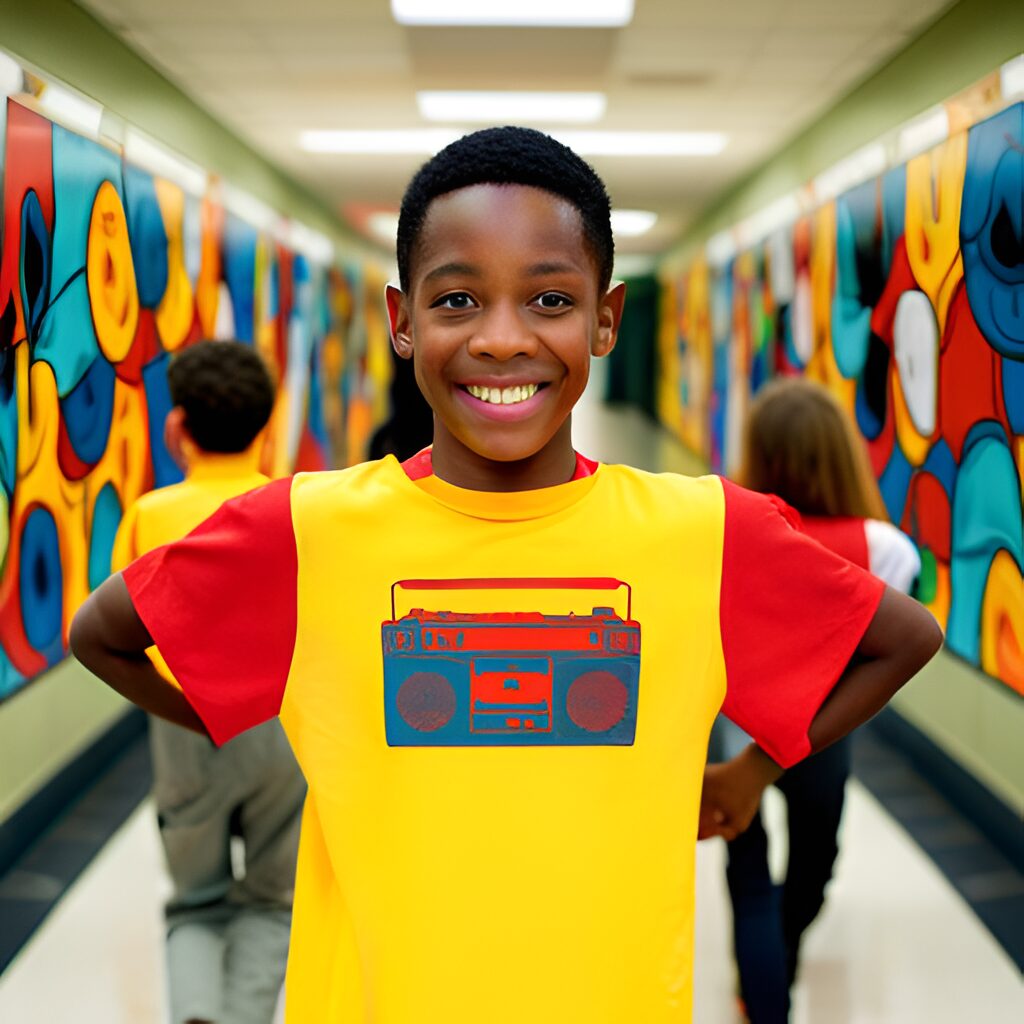
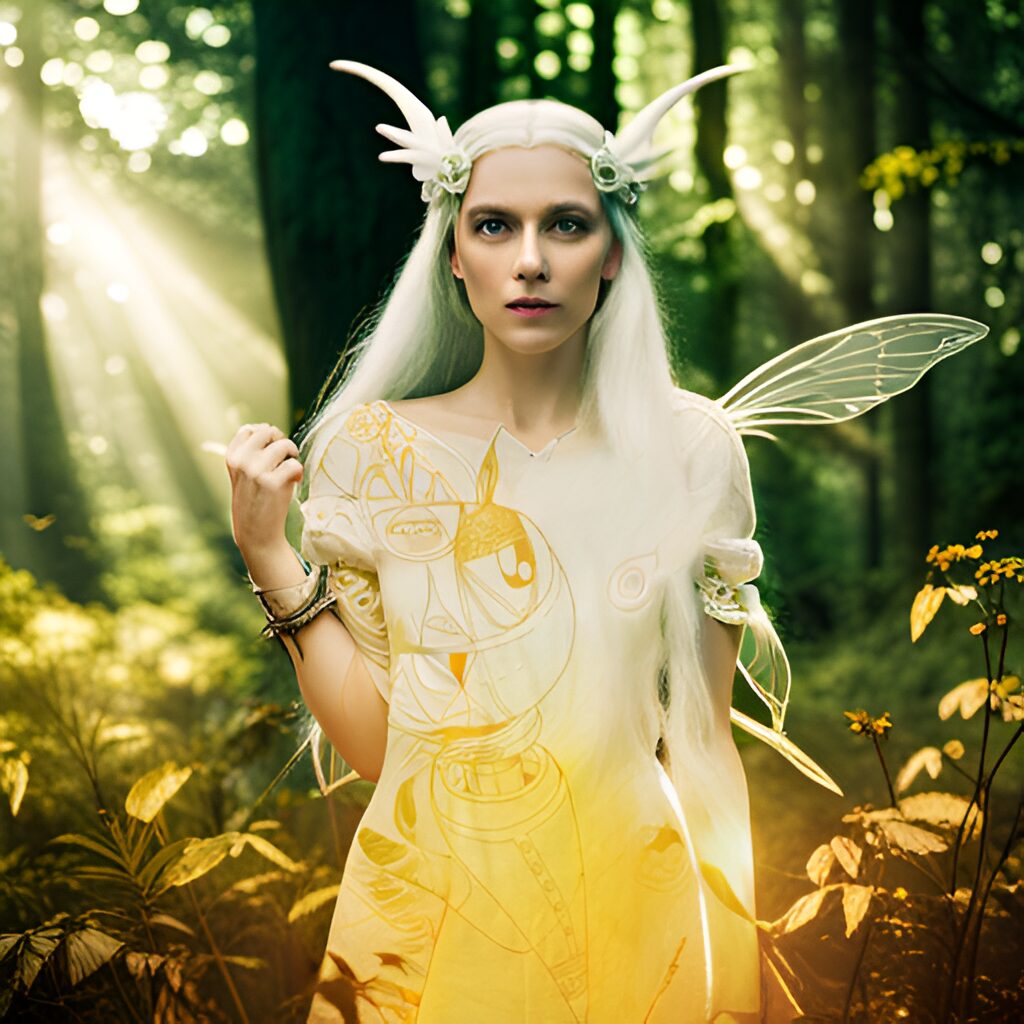
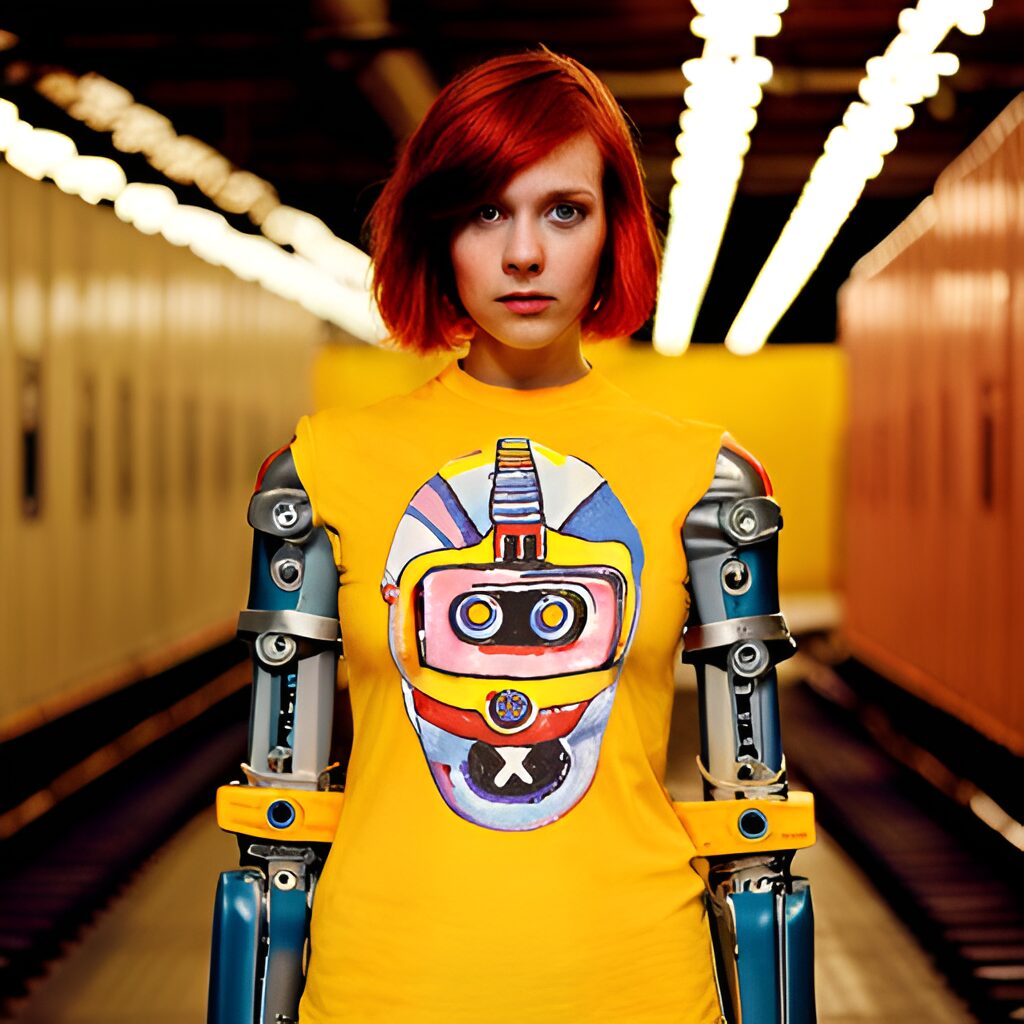
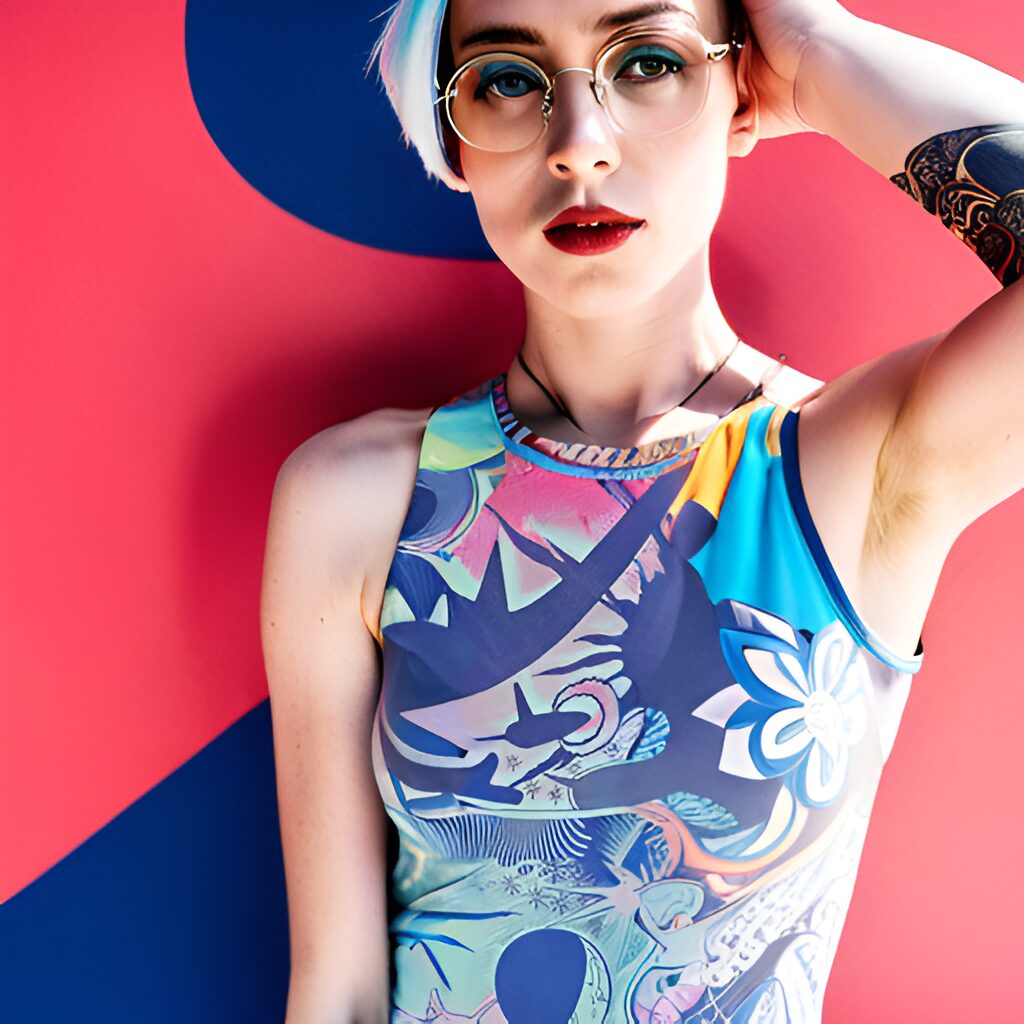
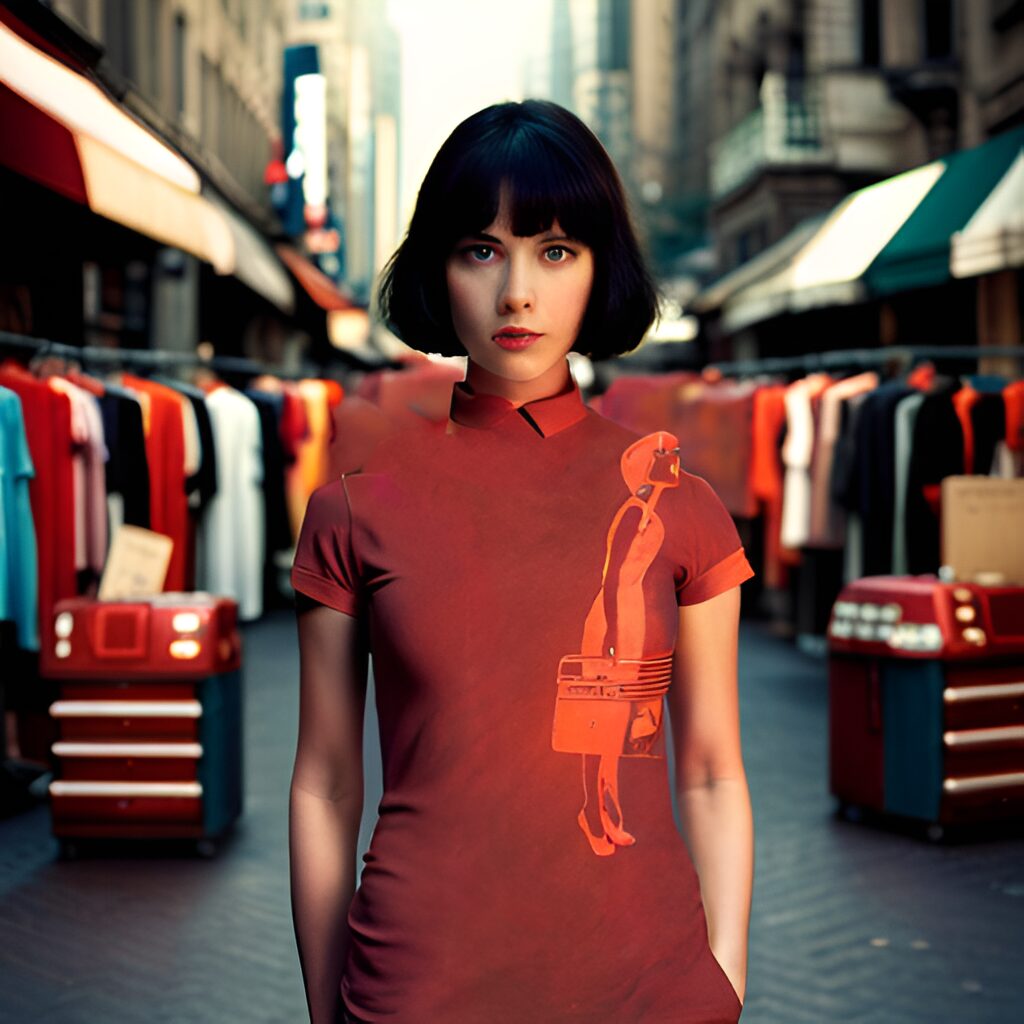
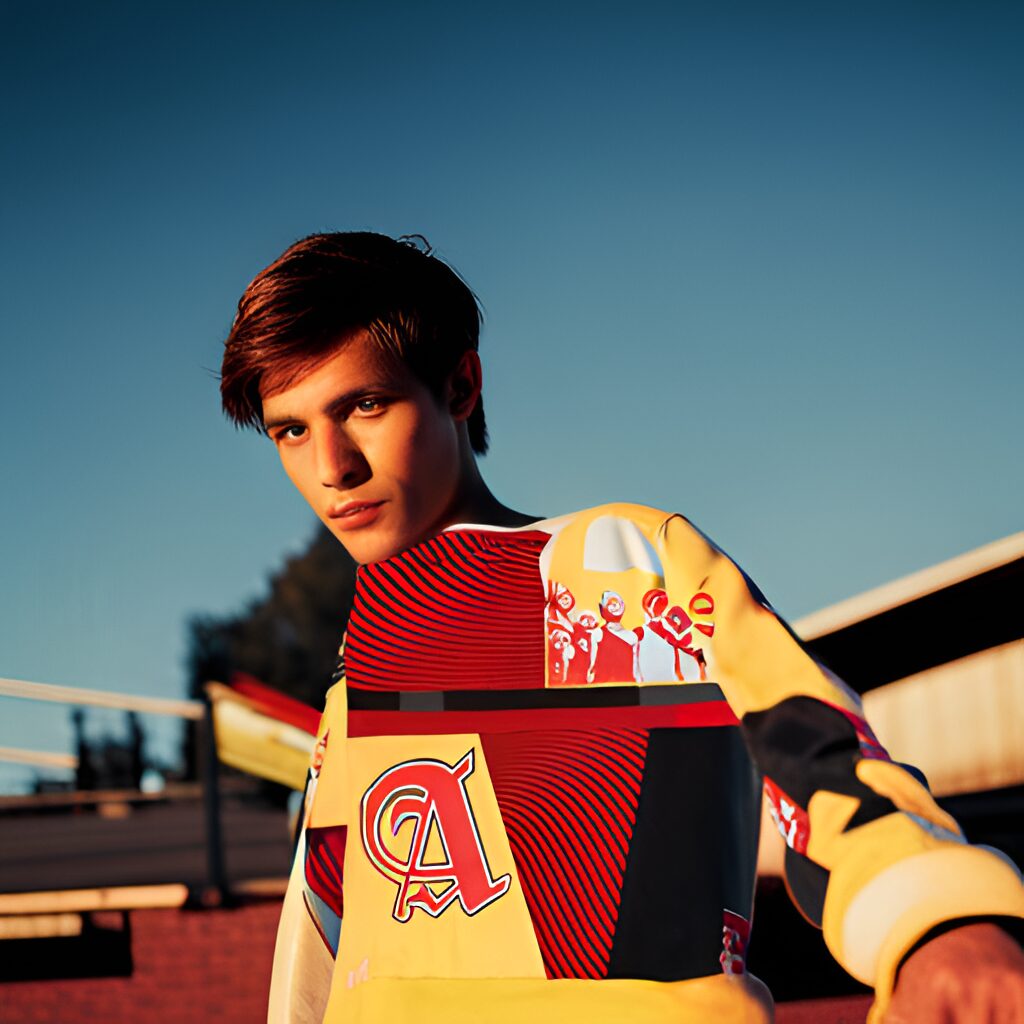

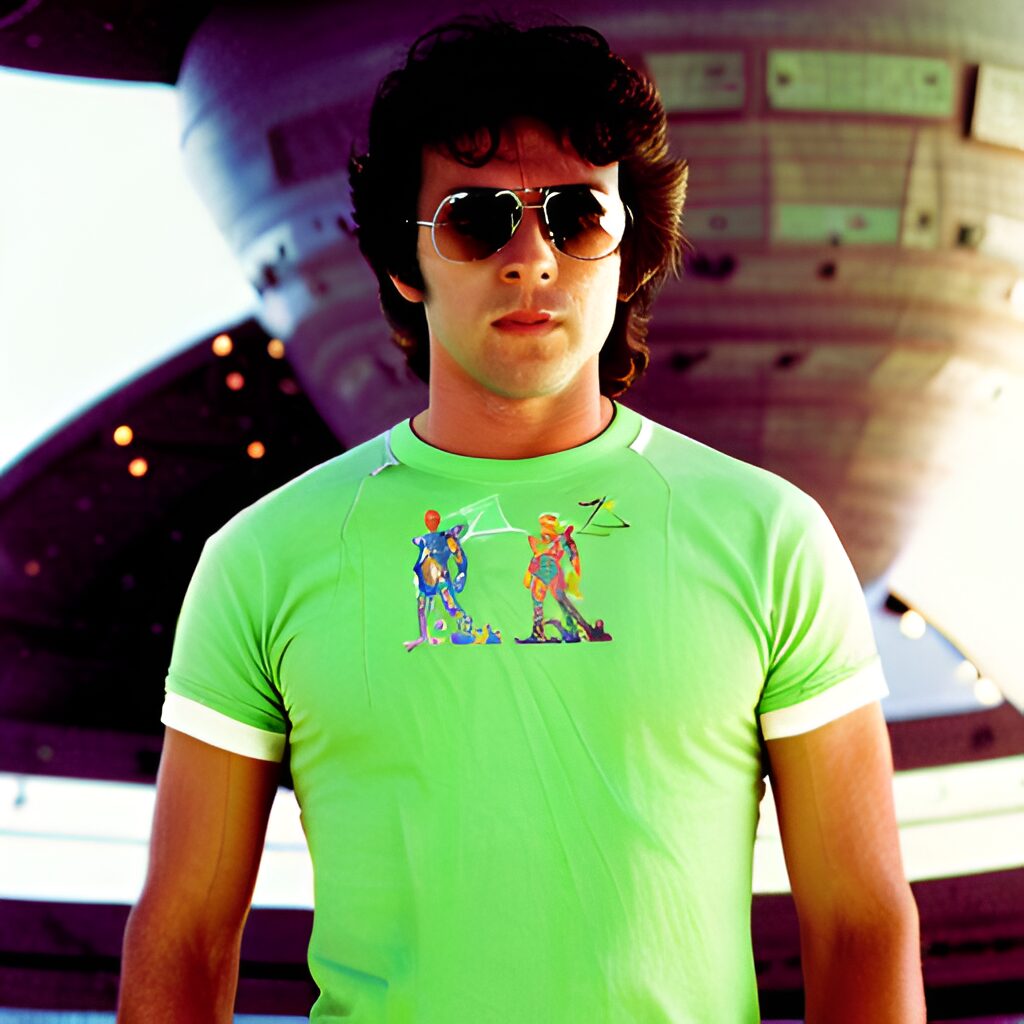
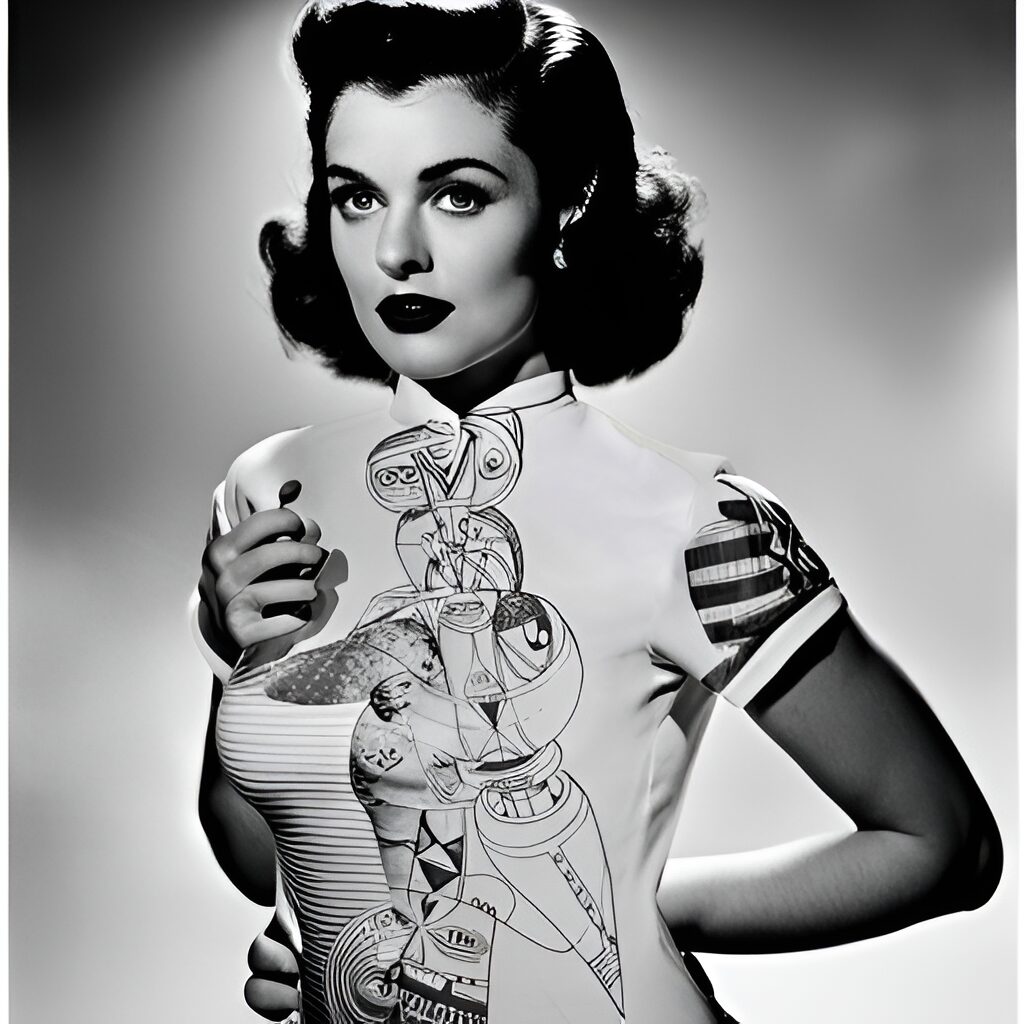
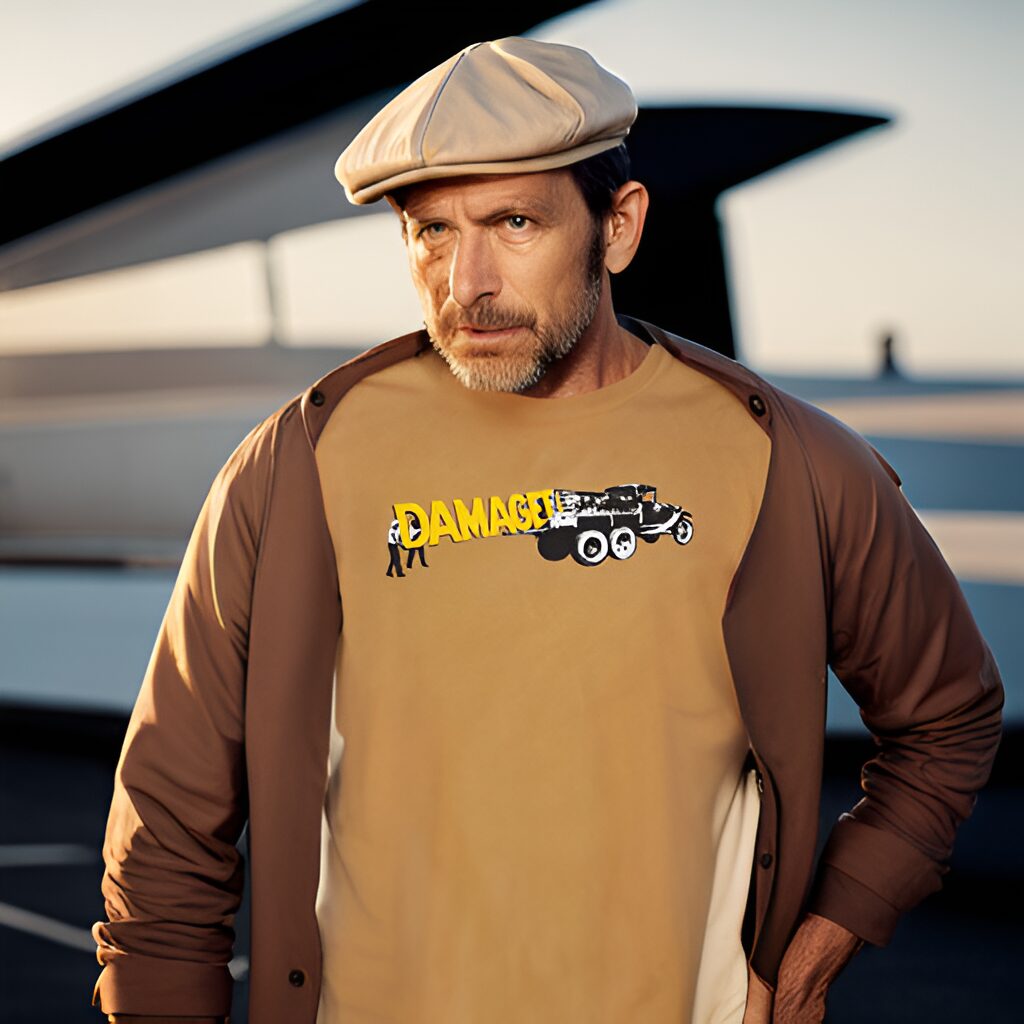
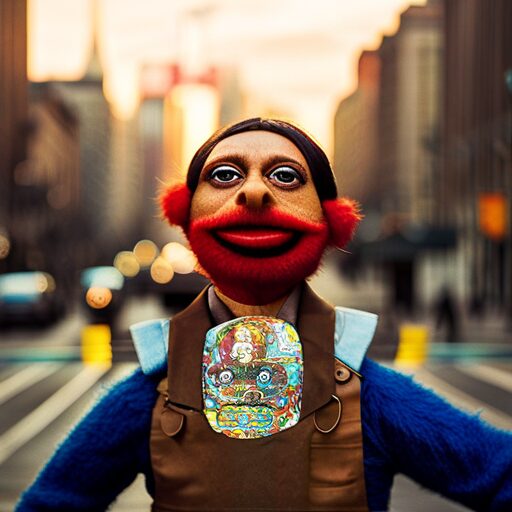
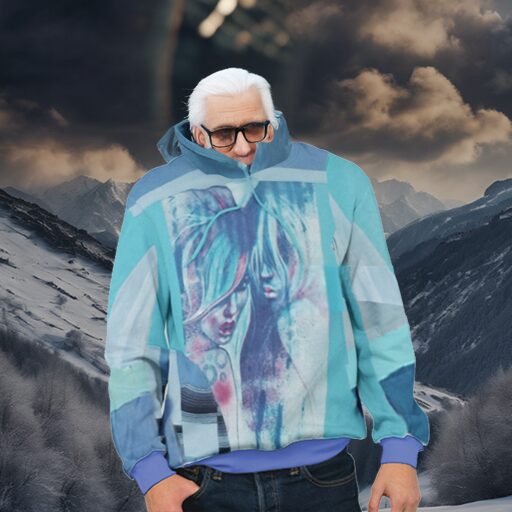
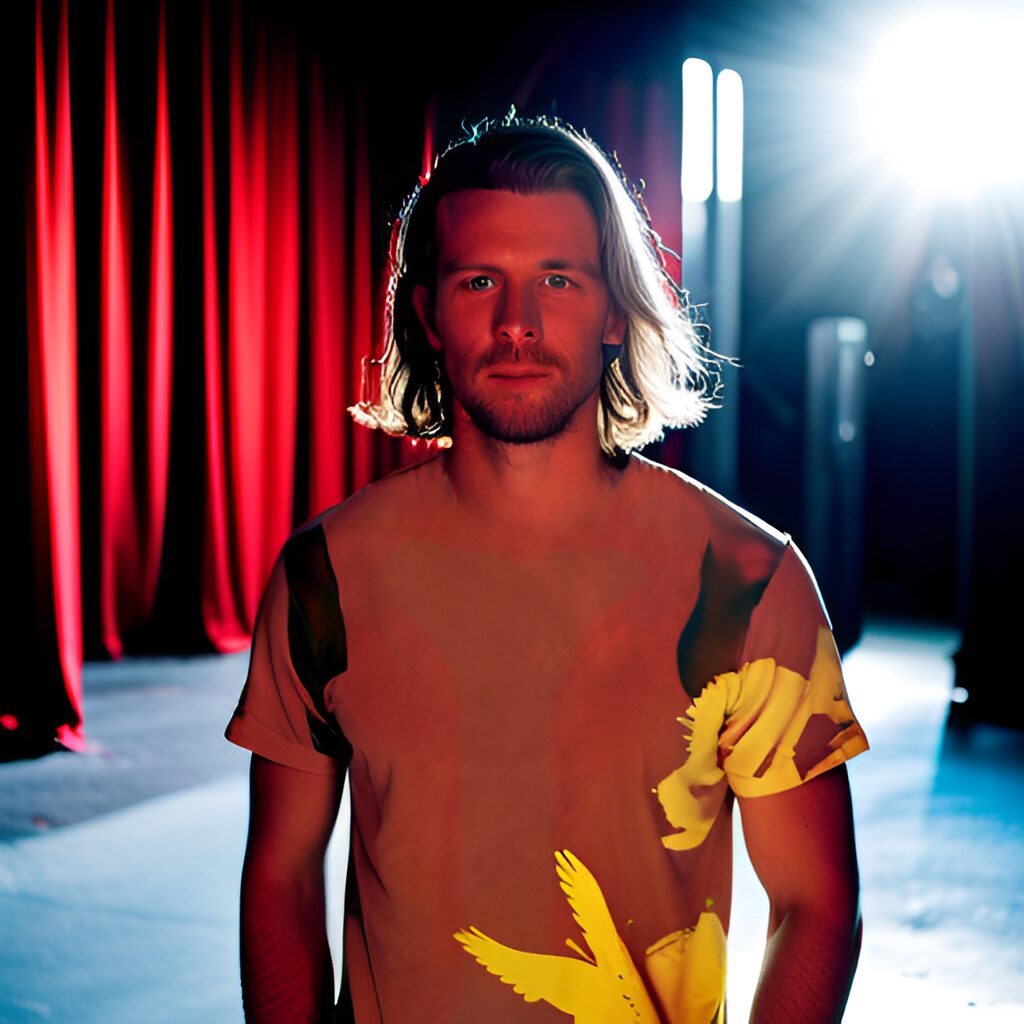
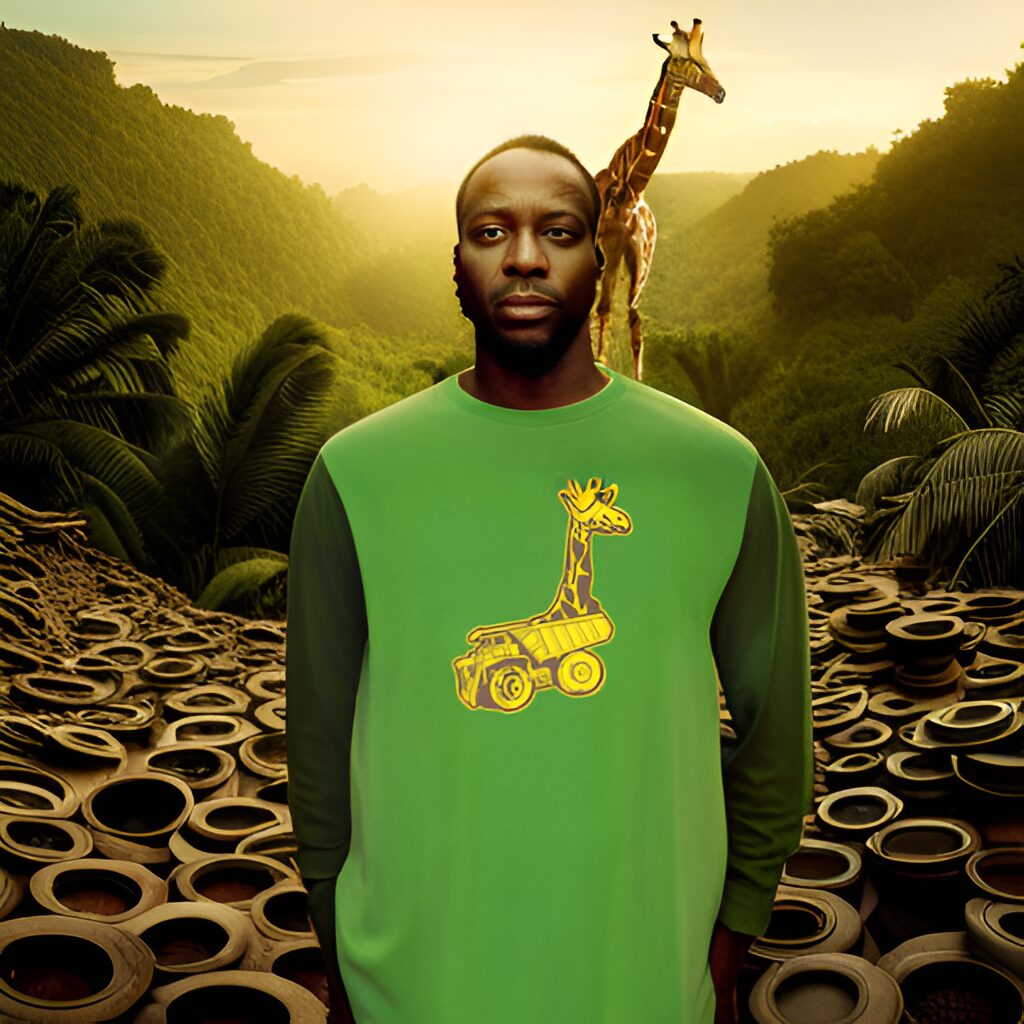
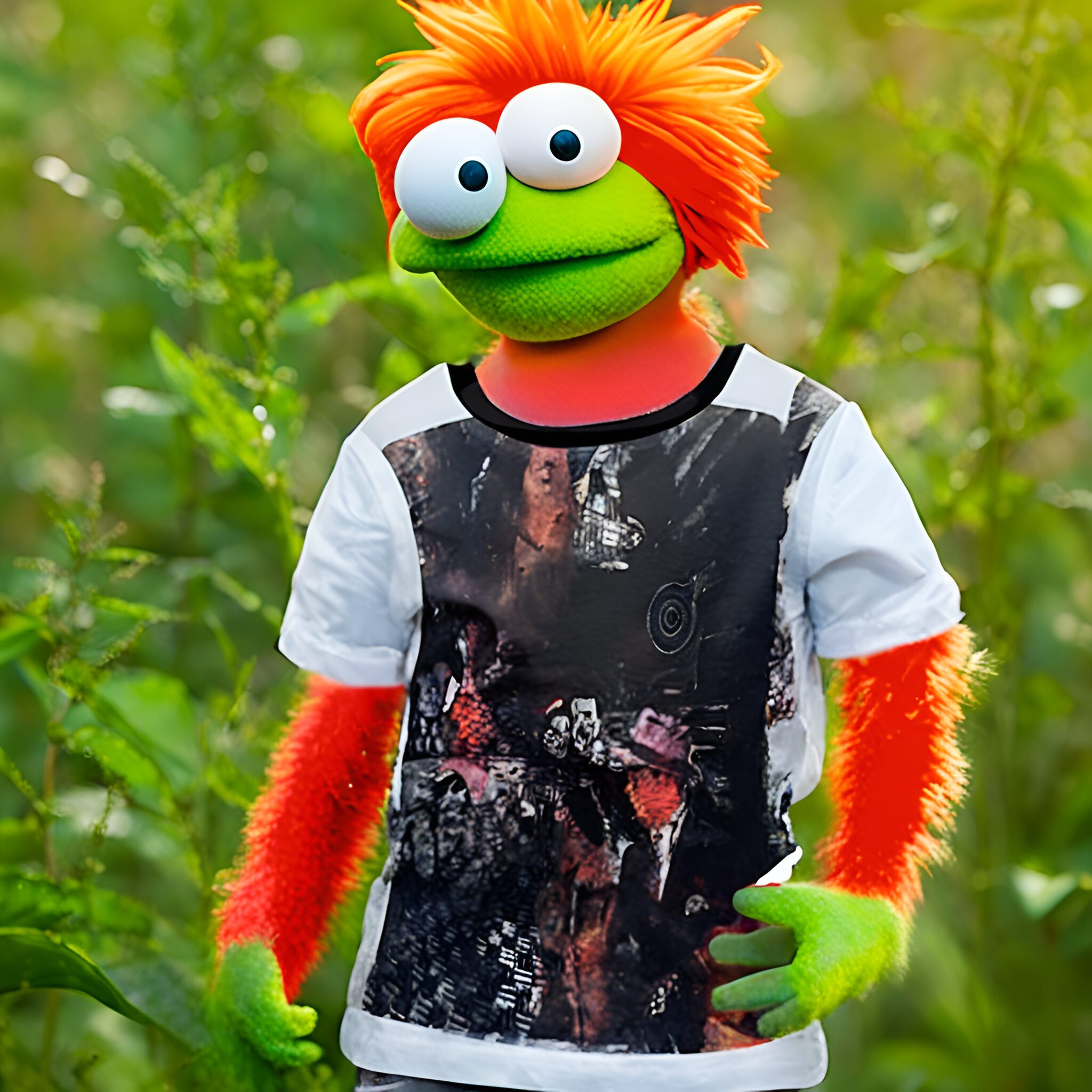
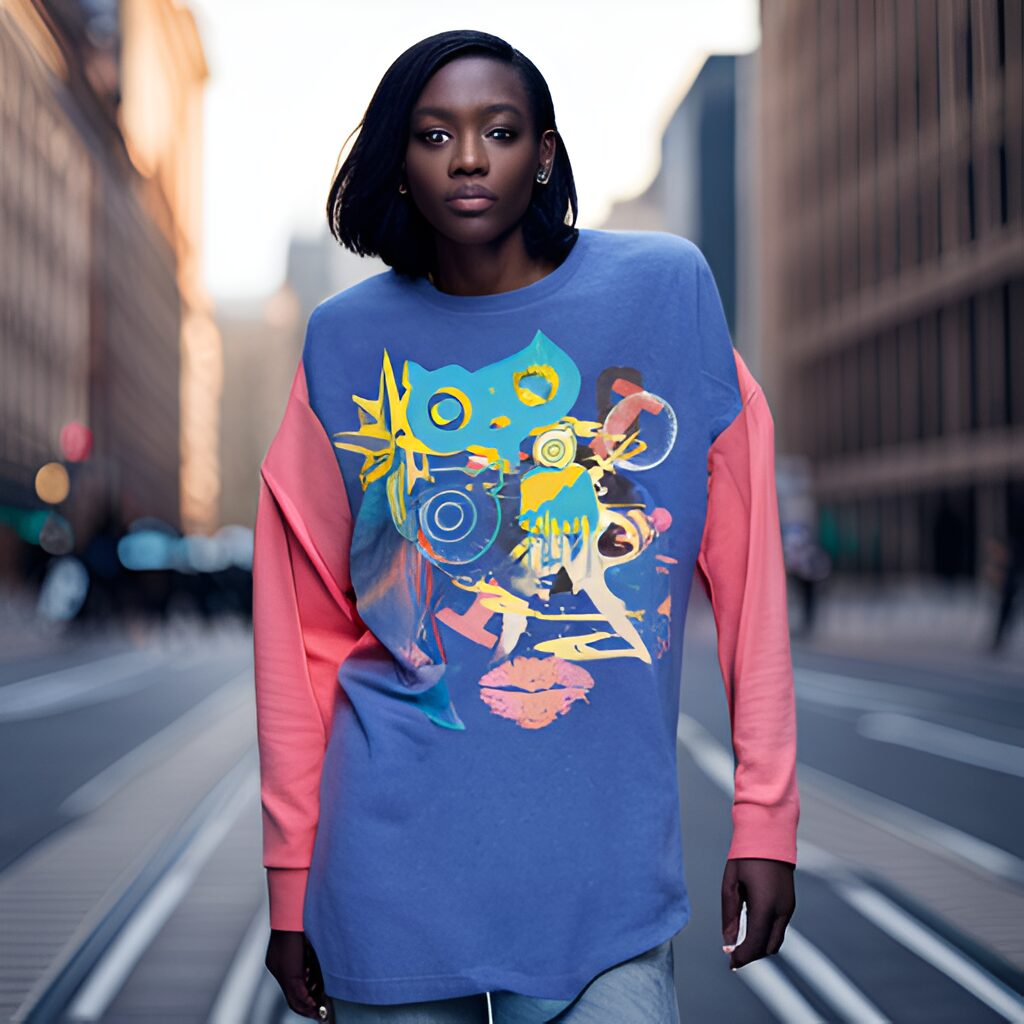
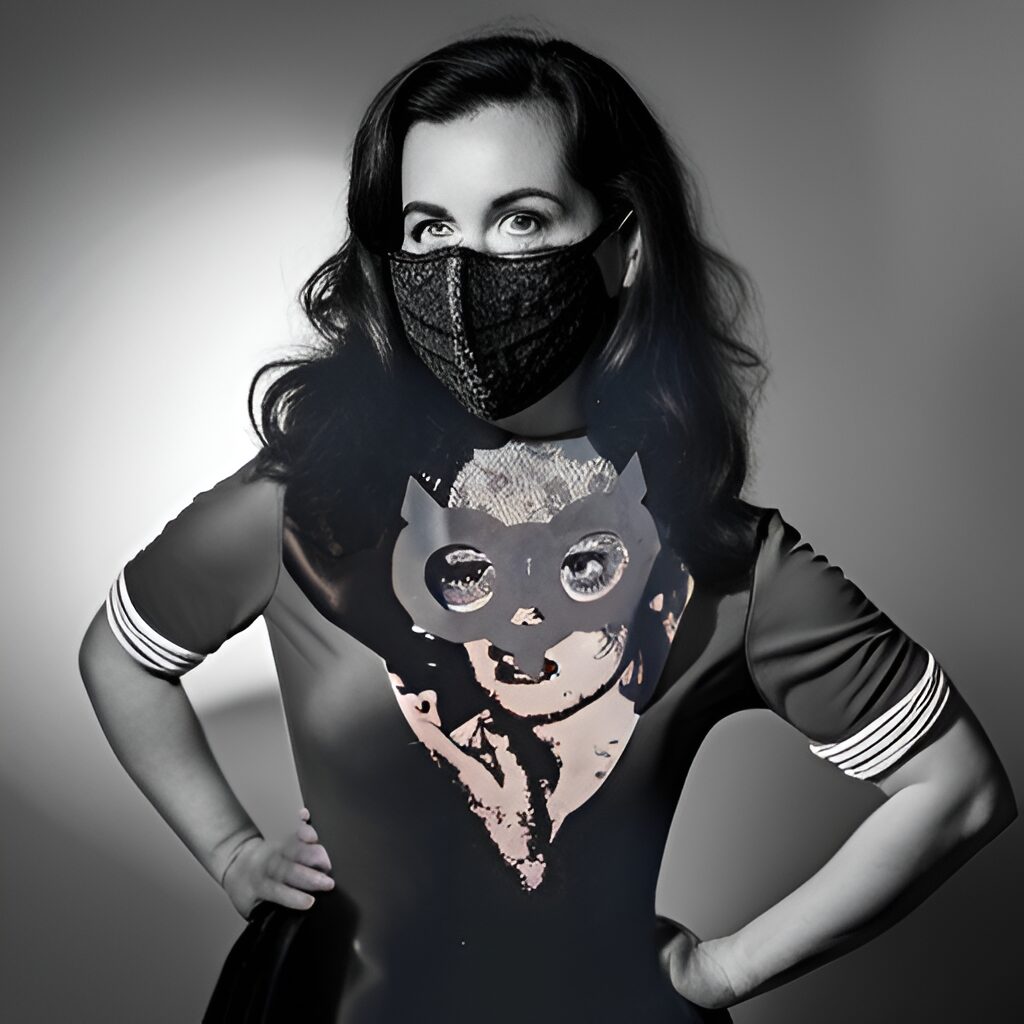
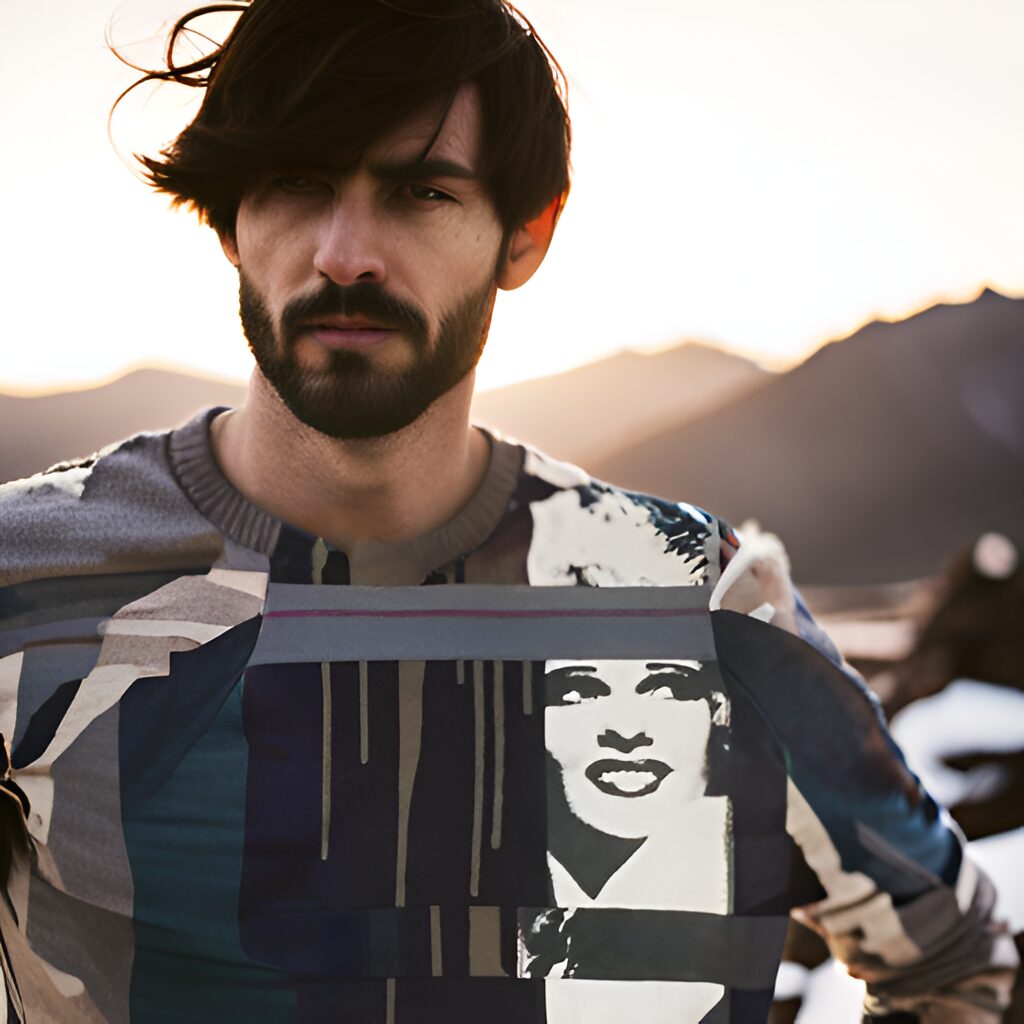
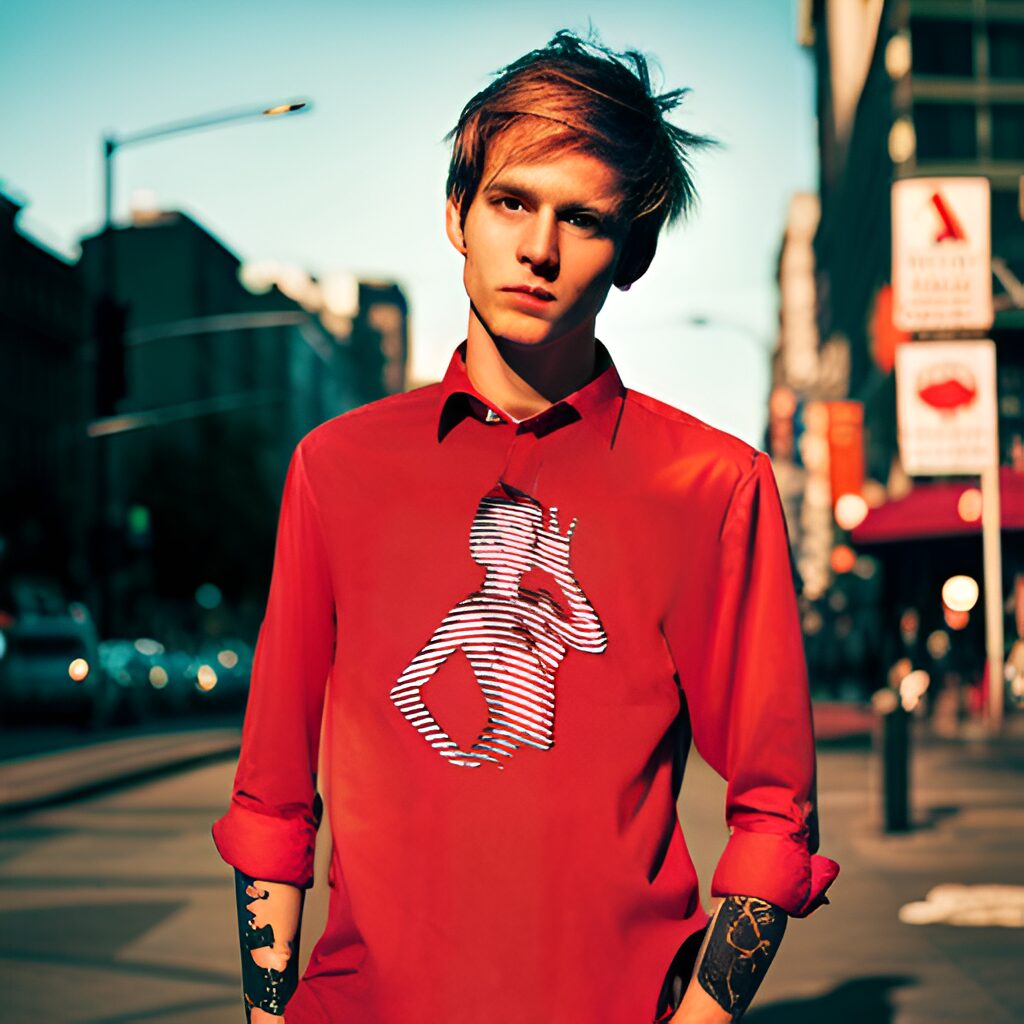
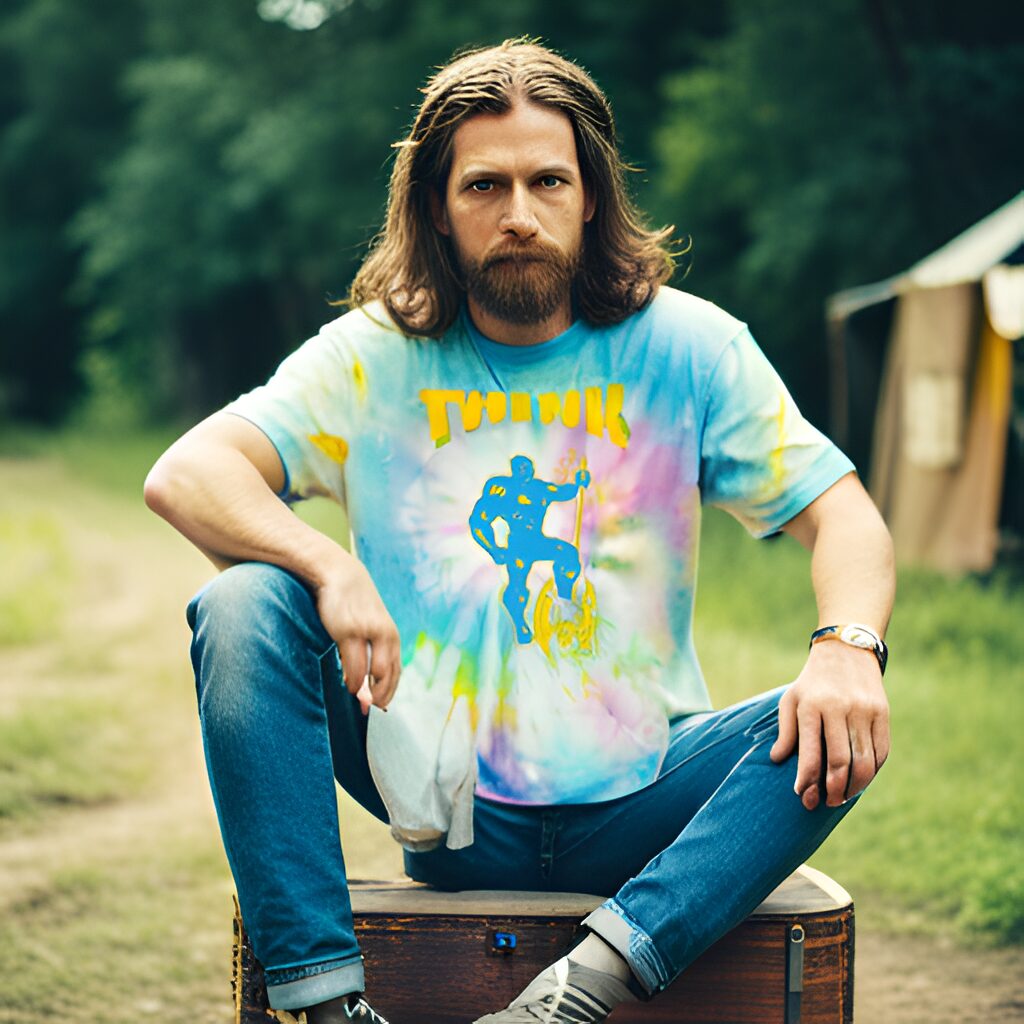
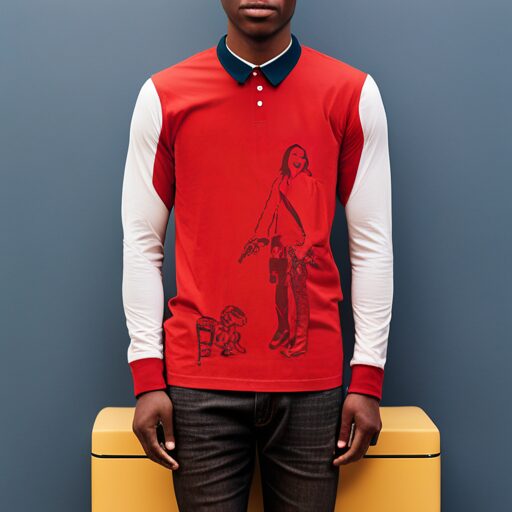
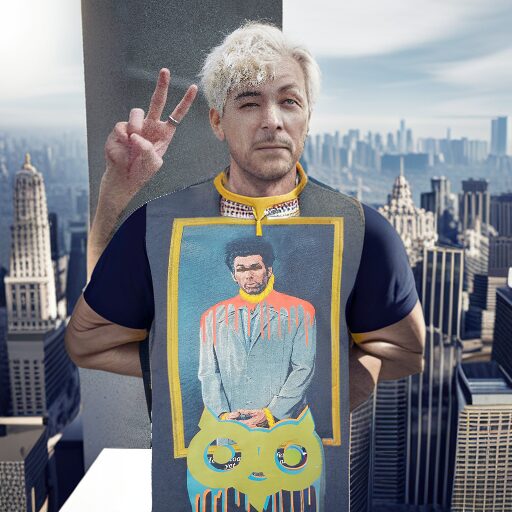
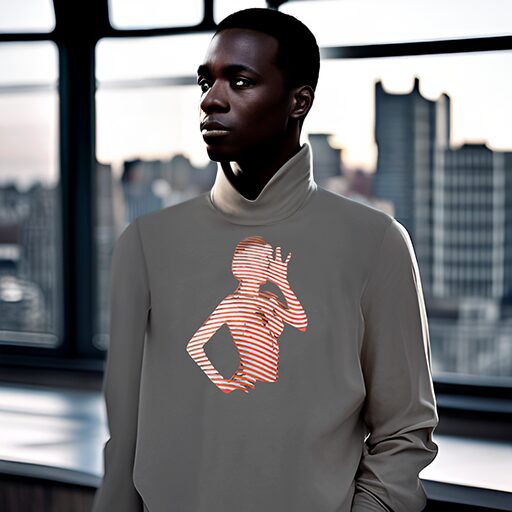
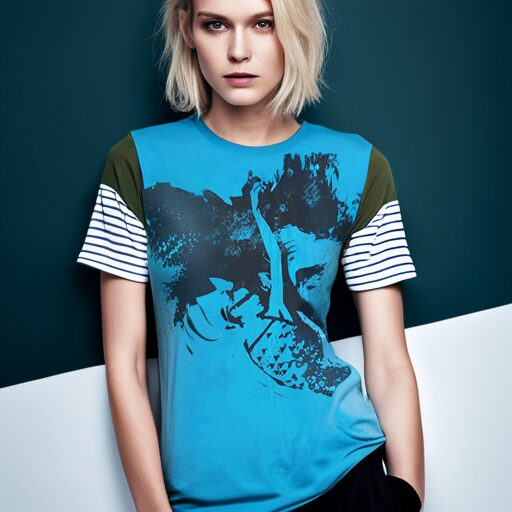
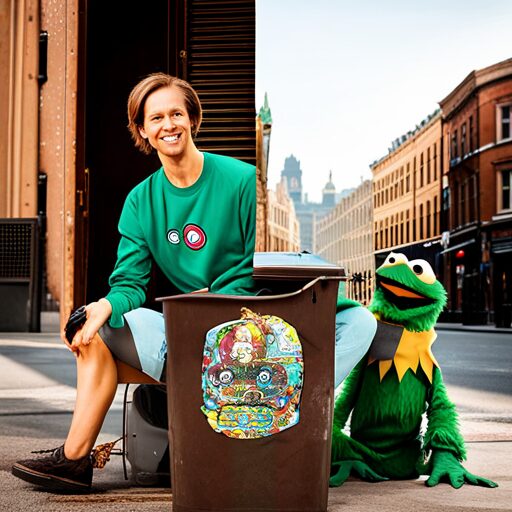
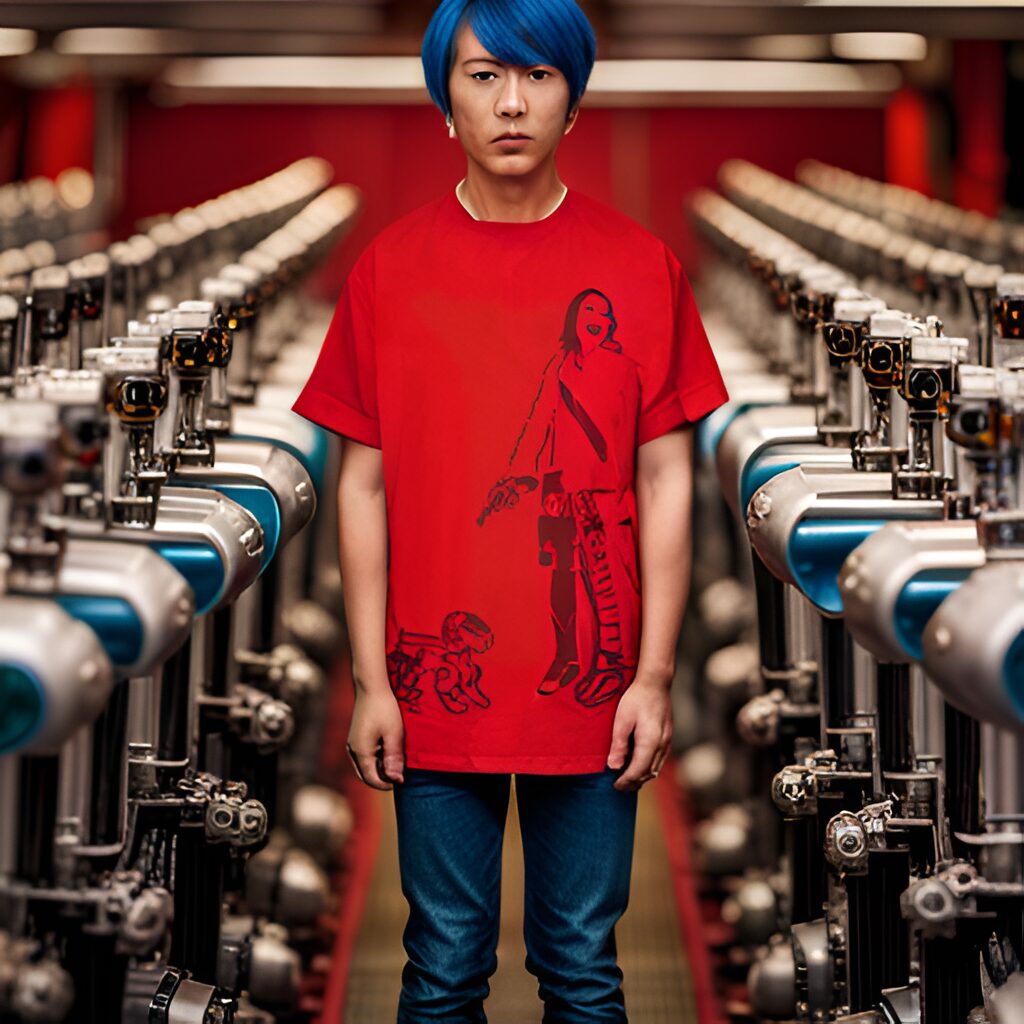
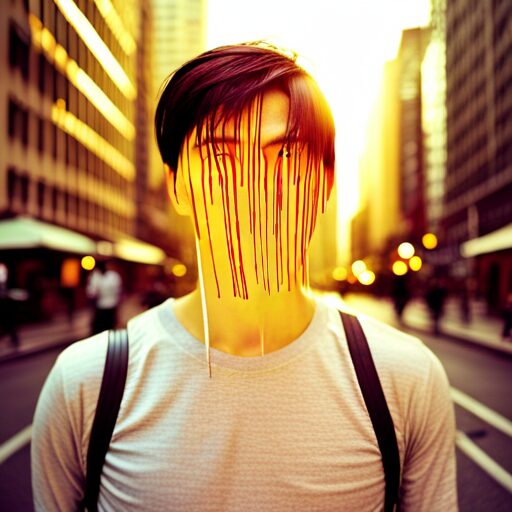
Probably close to a year went by and I was once again contacted by Stability, offering me a free month with their all-new (ostensibly improved) web-based art generator. I’d been watching the space from a distance on Reddit and knew that learning models had improved vastly and were coming up with much more convincing images. And I was still intrigued with the whole phenomenon, so naturally said yes. What I found was frankly pretty impressive, especially compared with what had been on offer not long before. People looked like people, they actually had the right number of appendages, and the quality of the generations looked much closer to real photographs. I decided that the virtual model project had been officially re-started.
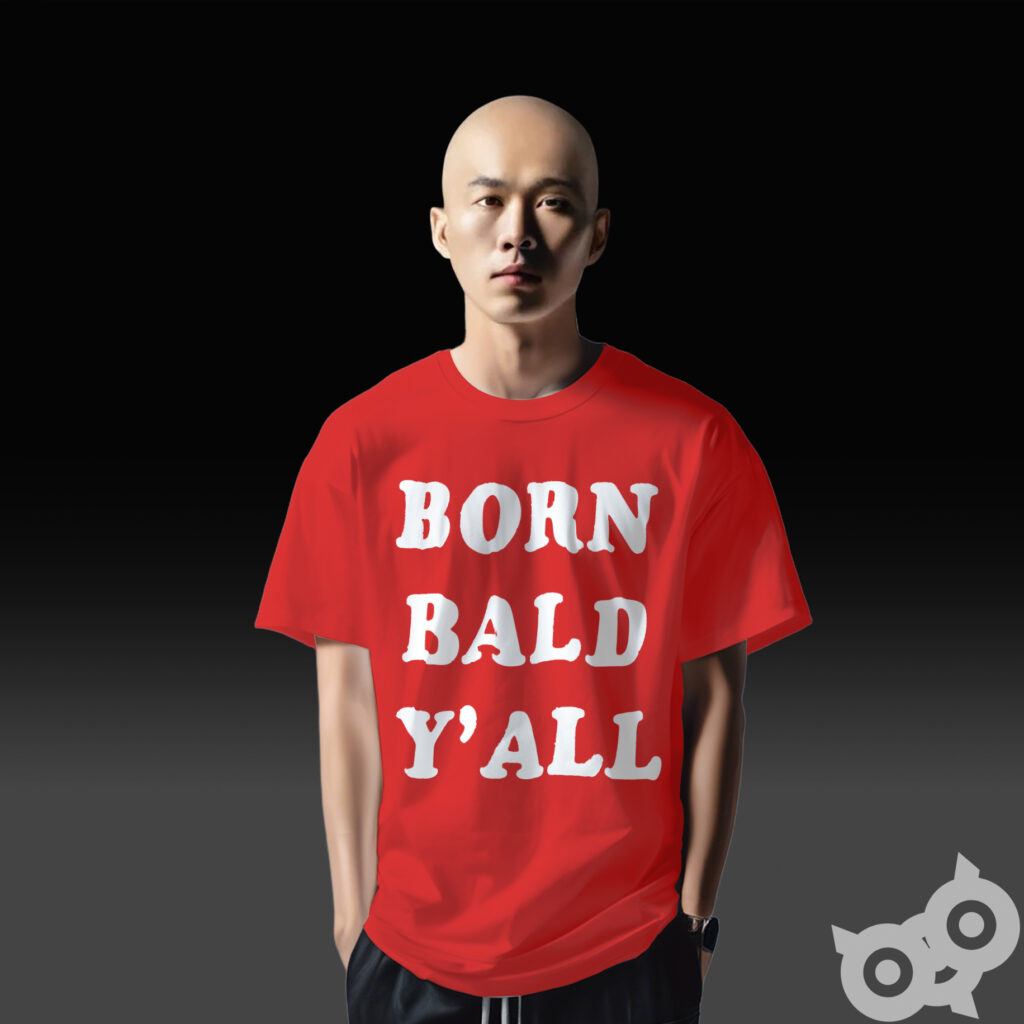
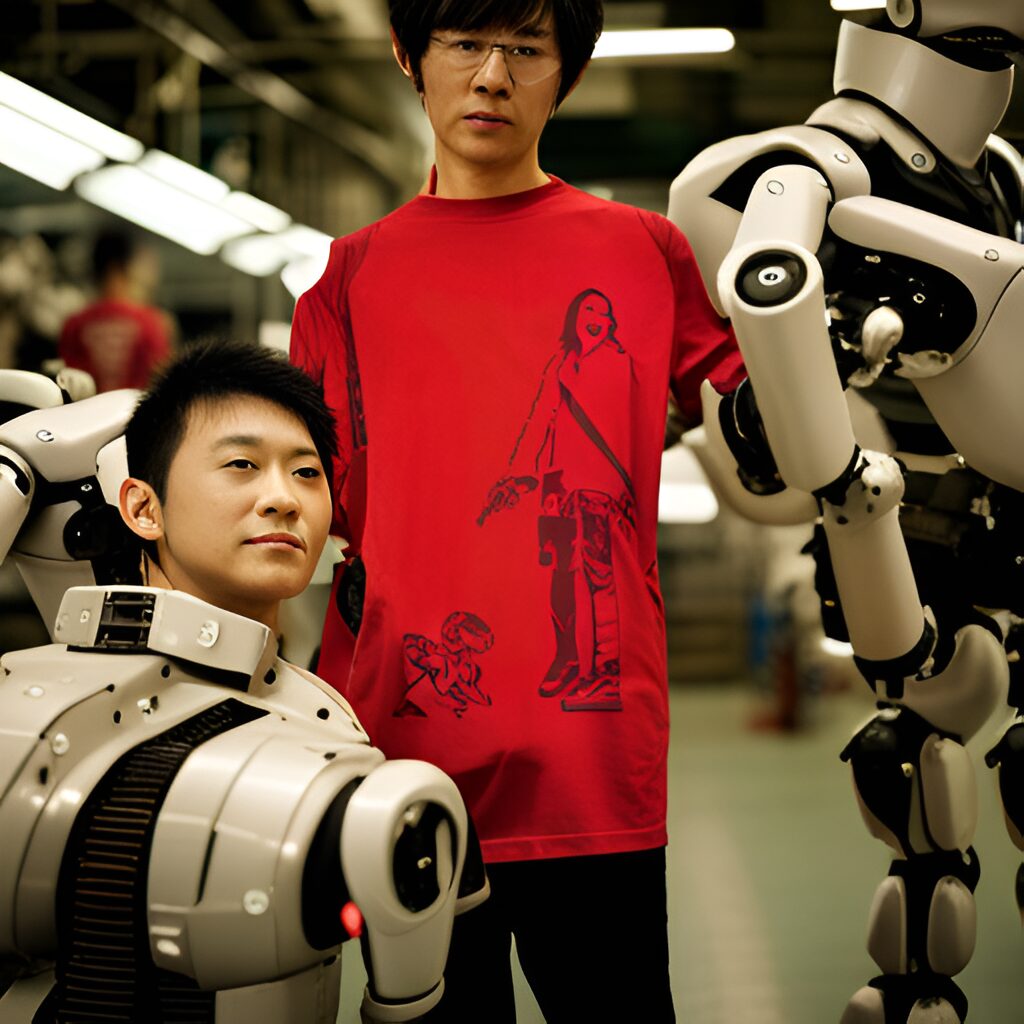
However, I’d already decided that I’d use a different approach this time. In the time since giving up on the first project, I’d figured out how to make pretty convincing-looking shirt mock-ups in Photoshop. That’s when you take a photo of someone wearing a garment- preferably white or at the least a very light color- and essentially edit your own graphic images and colors onto what they’re wearing. There are some great tutorials online, so before long I had it down to a science and could do it quite quickly. Honestly, I was getting much better results with that technique than I had in trying to coax a finicky AI to magically drape my shirt over a virtual person’s virtual body. So I realized that it would be much more efficient, not to mention achieve much better results, by simply getting the art generator to create a whole bunch of images of people wearing white clothing and doing the rest myself in Photoshop.
Over the next several months I got into a pretty efficient workflow and ended up creating product images for nearly 400 products. Most of these models are virtual, though quite a few of them were actually made with real photographs of real people. All were Photoshopped to one degree or another. And I was very happy with the results, for the most part. So mission accomplished, right?
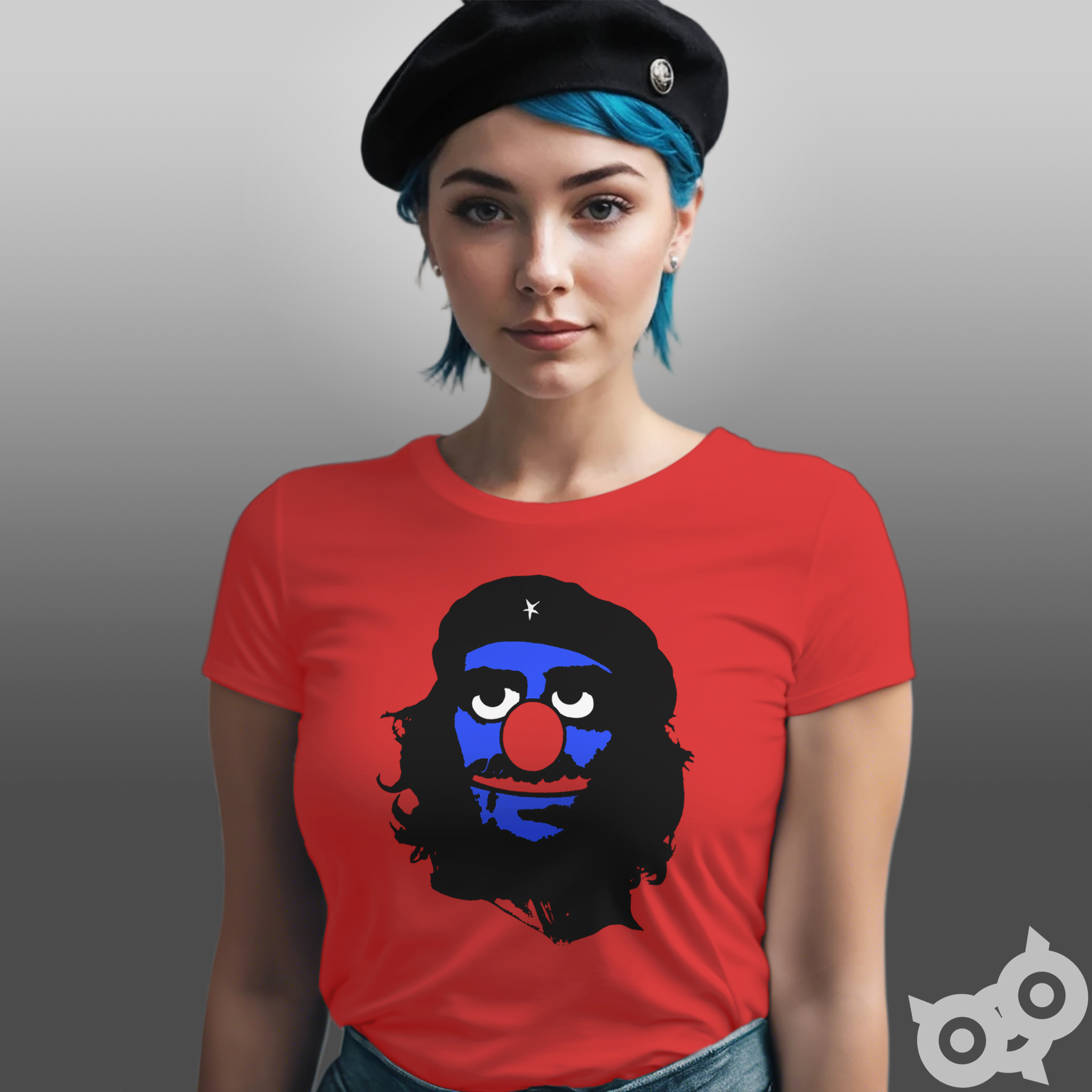
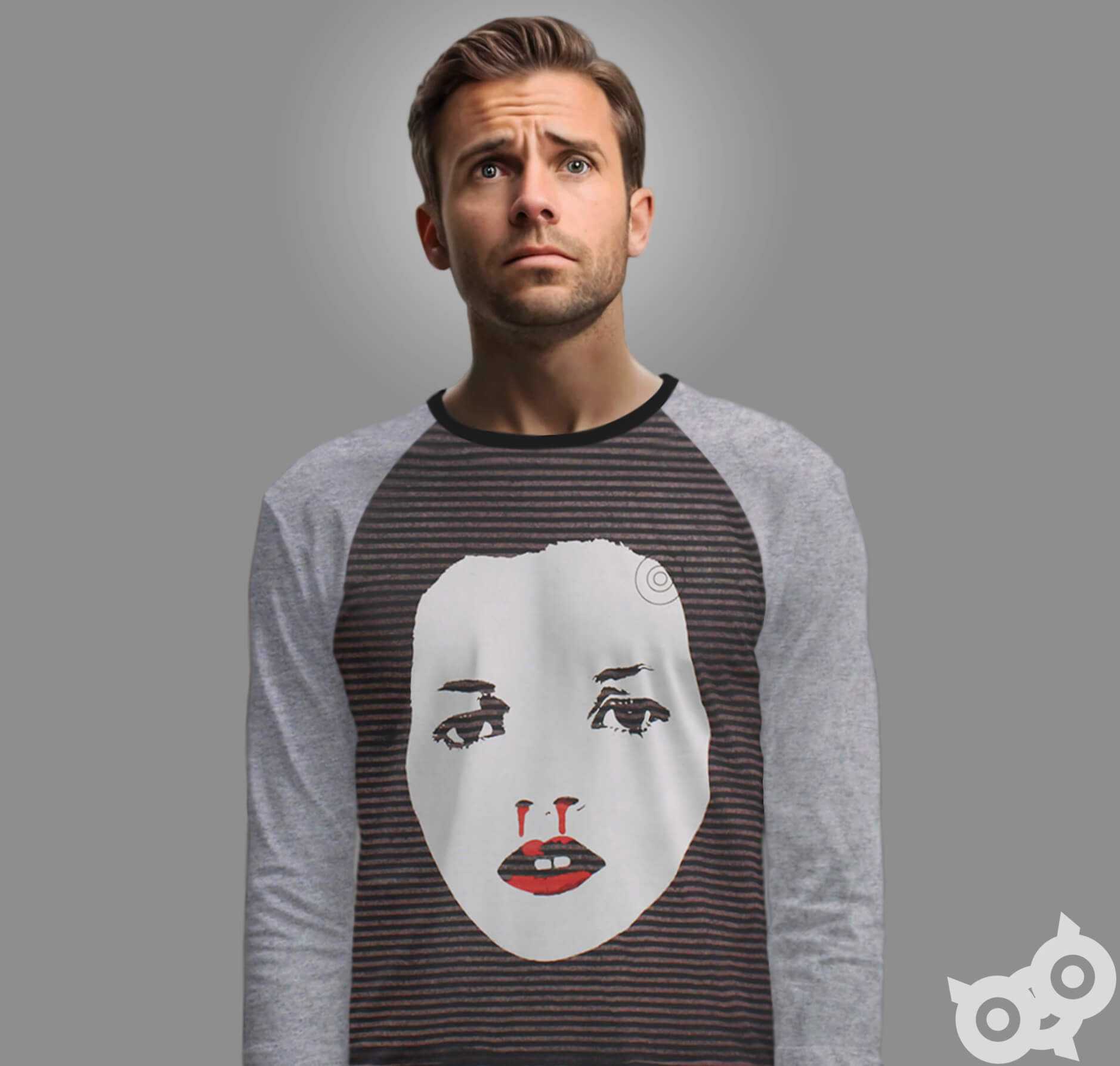
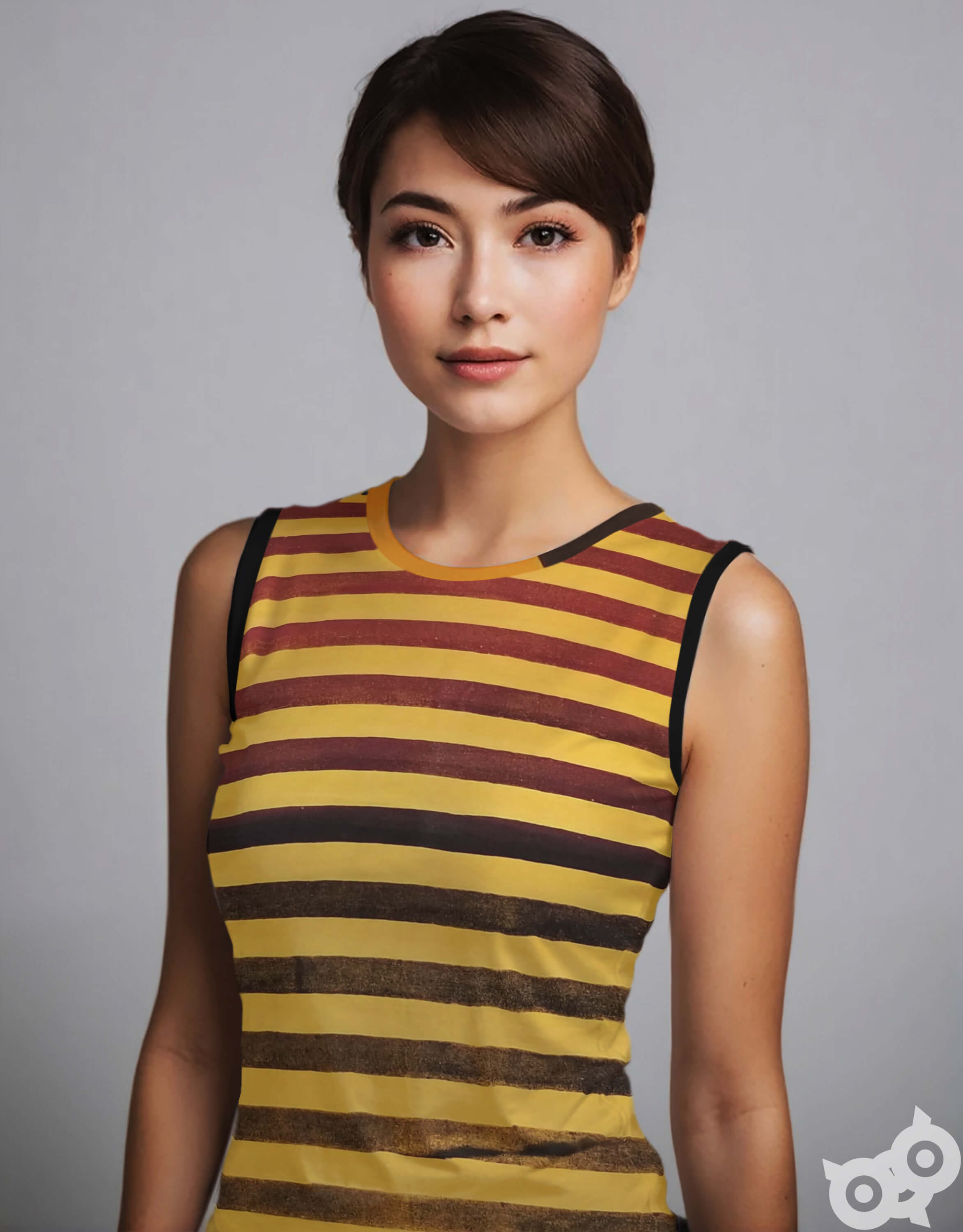
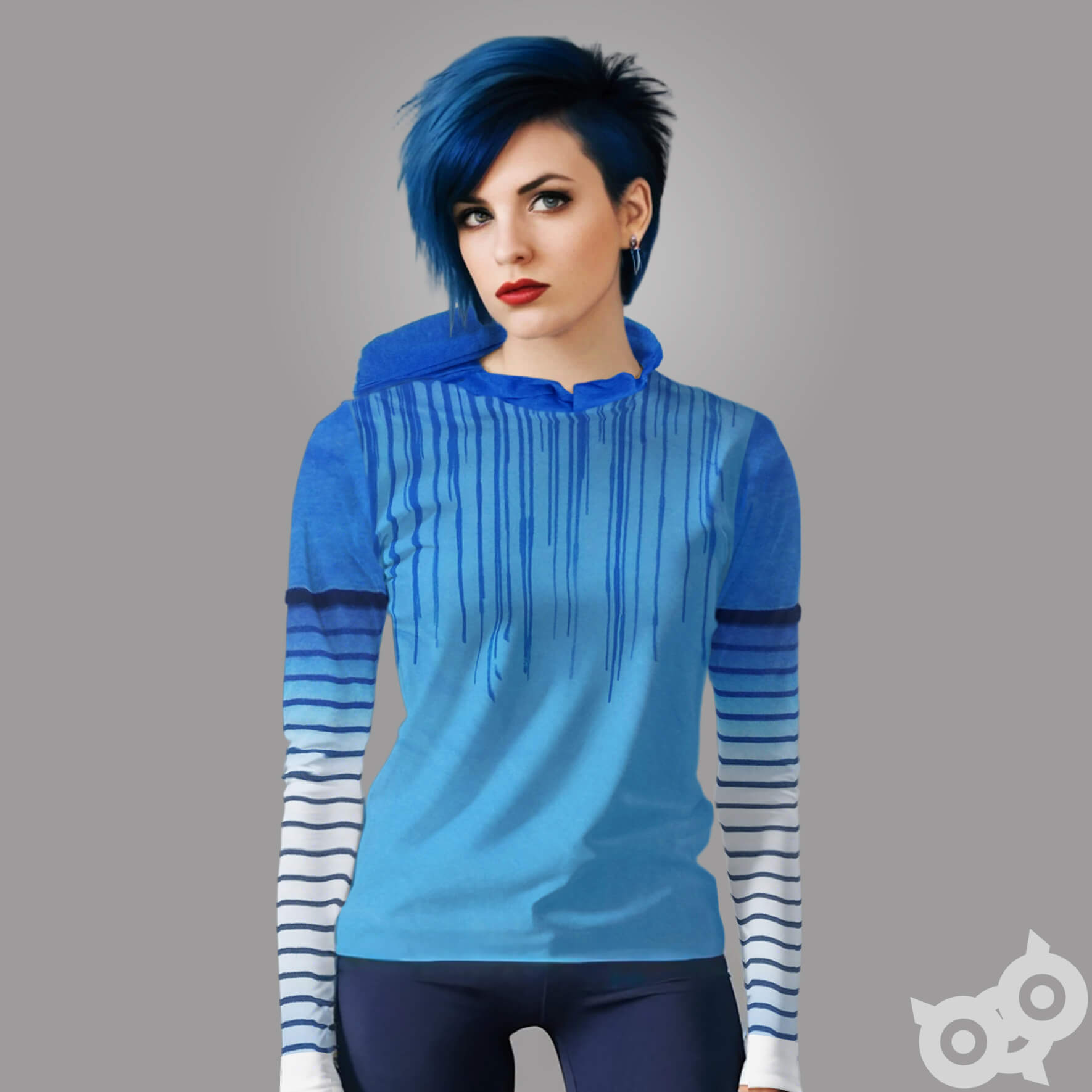
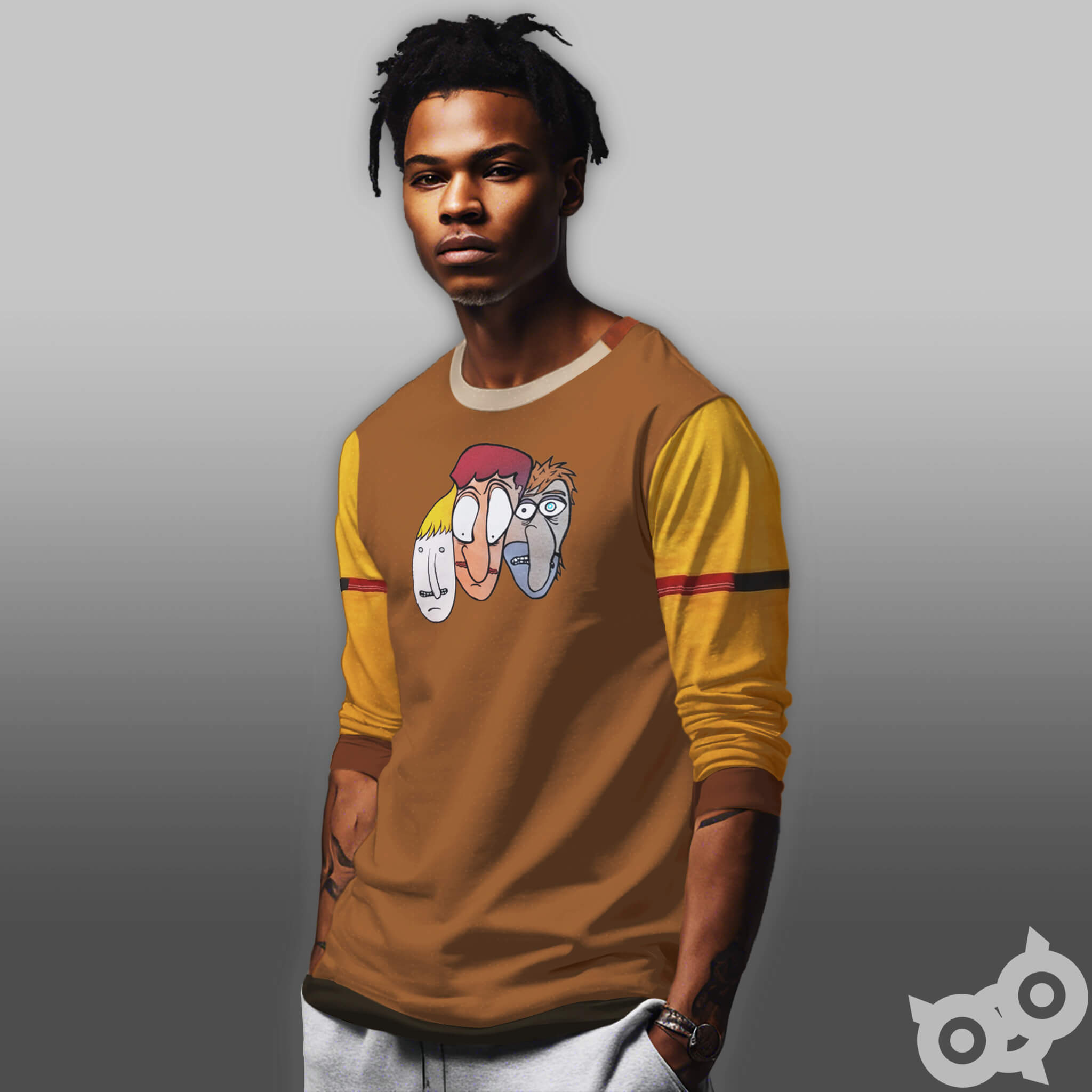
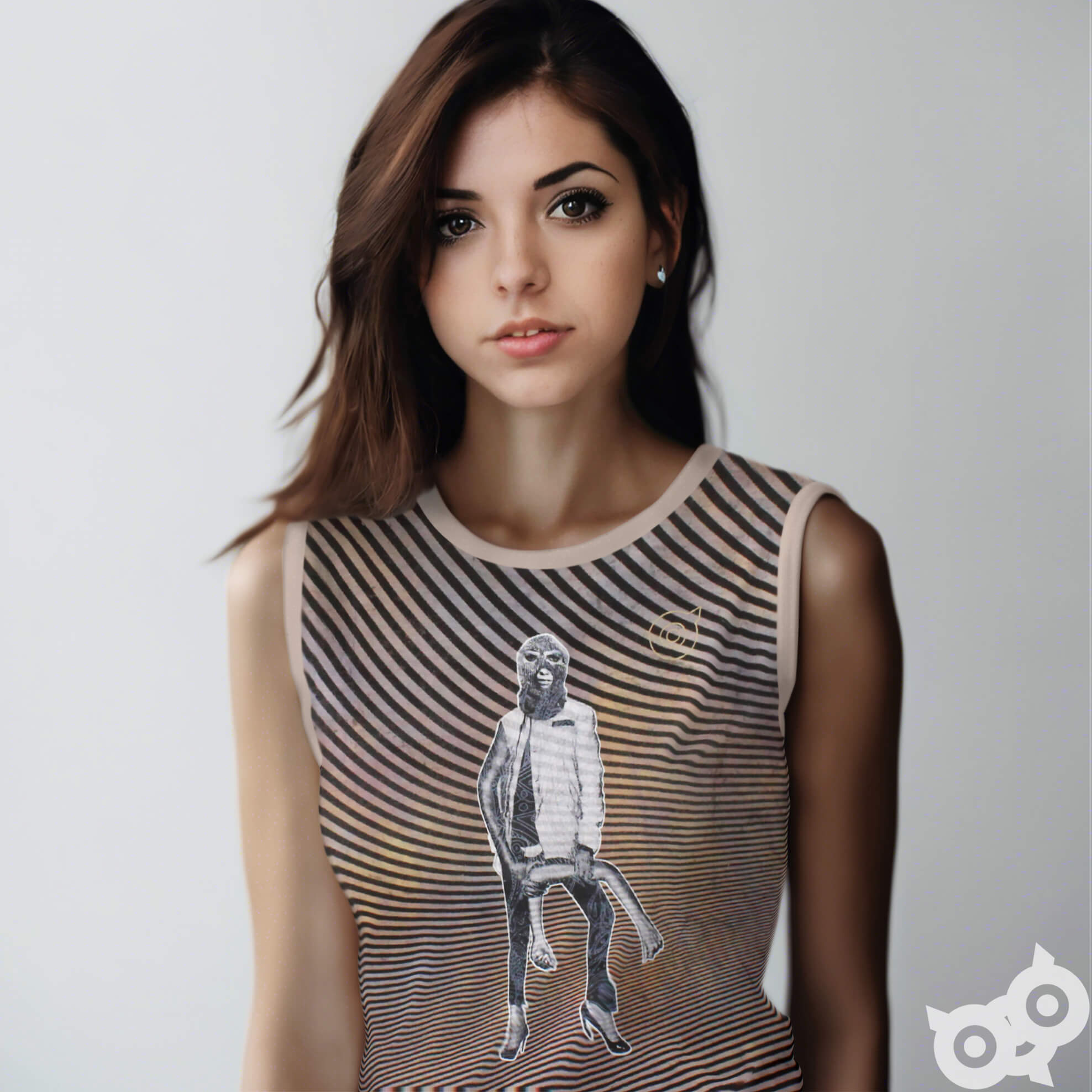
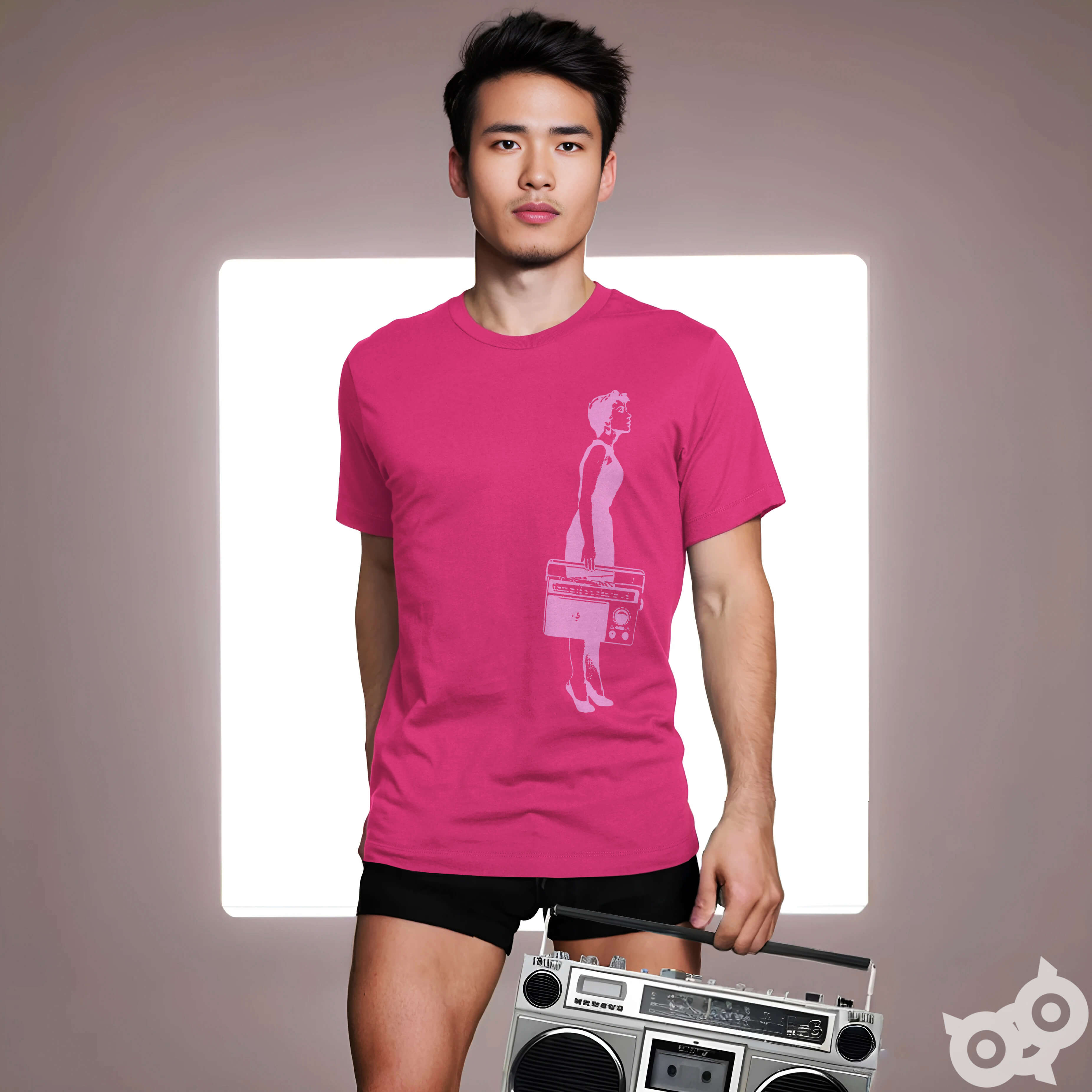
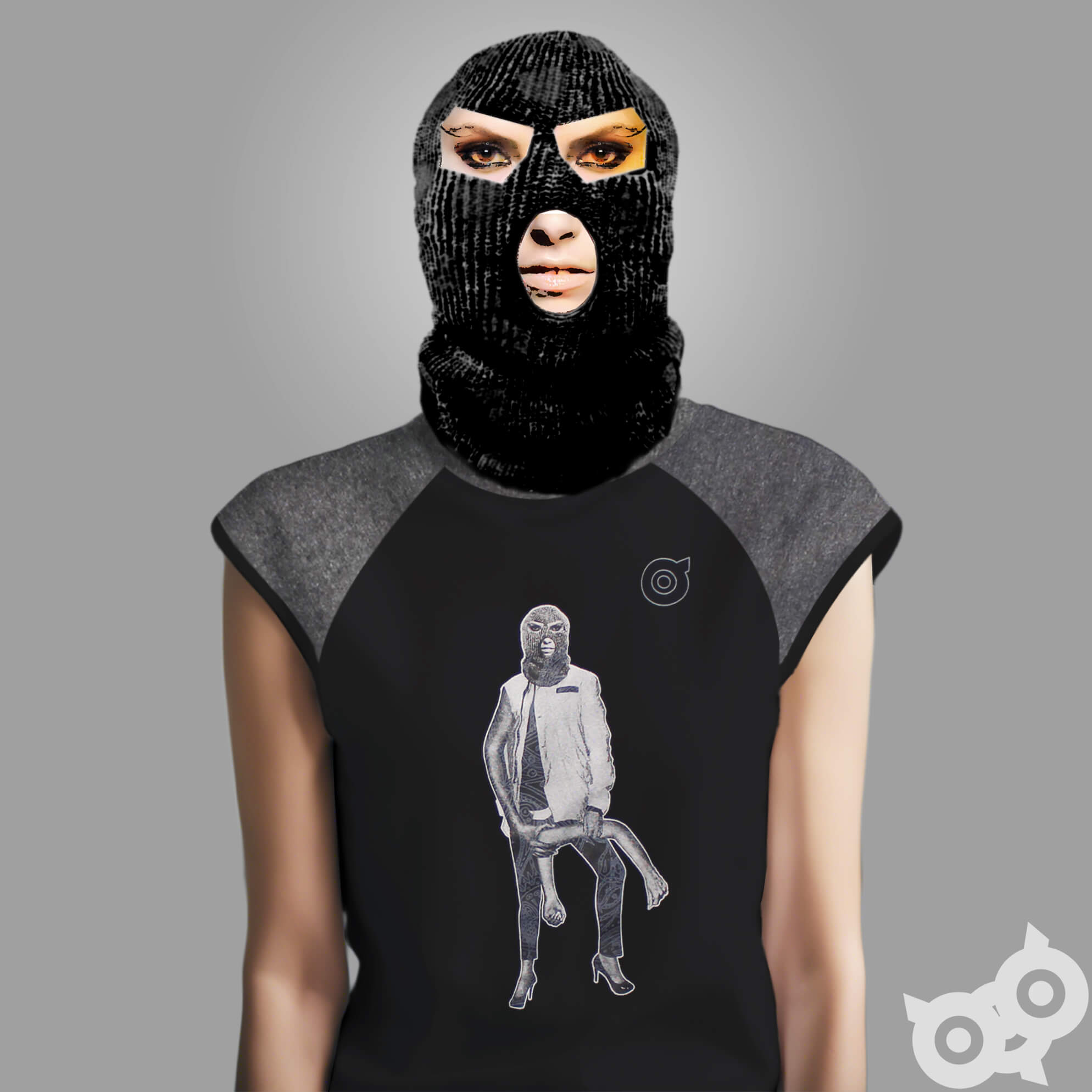
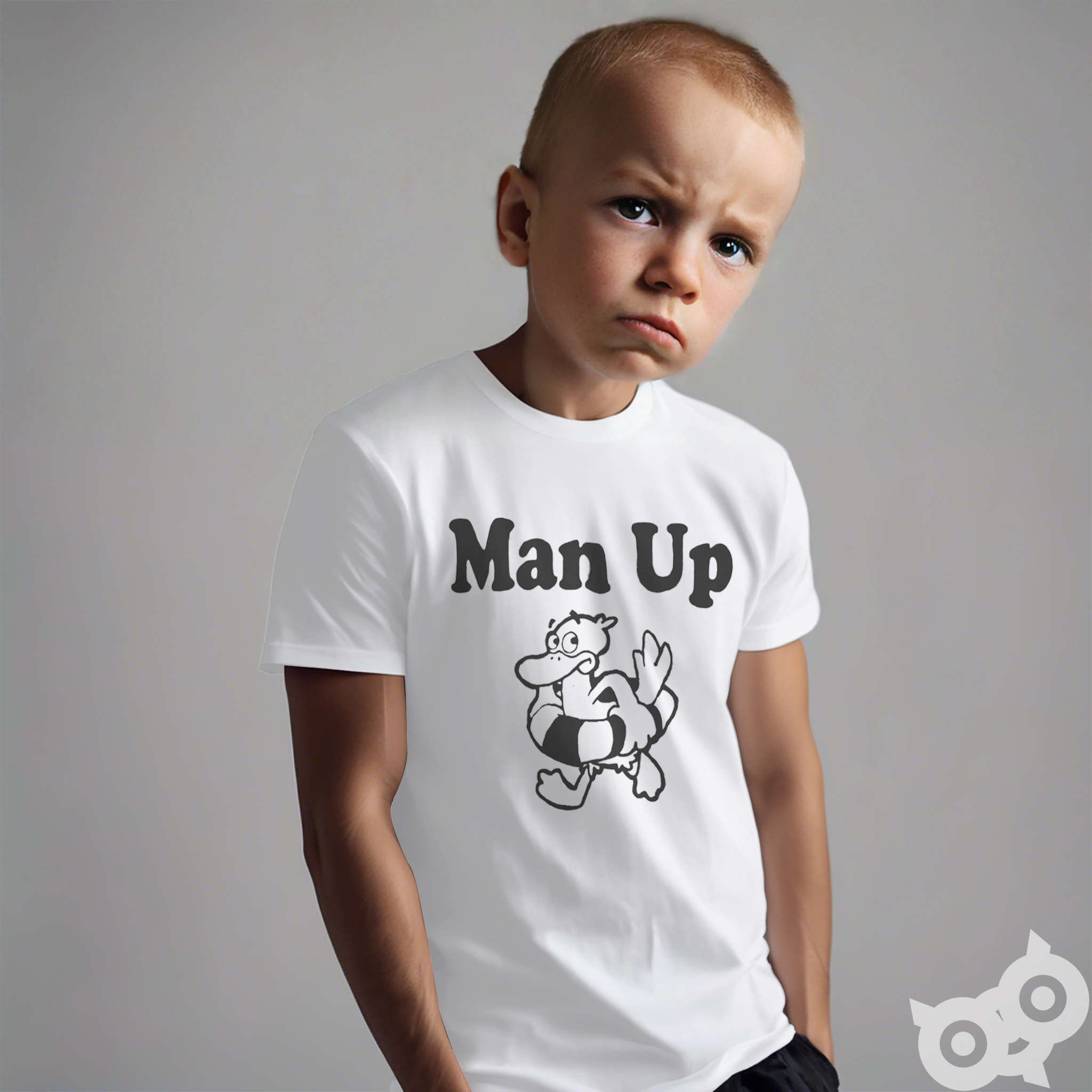
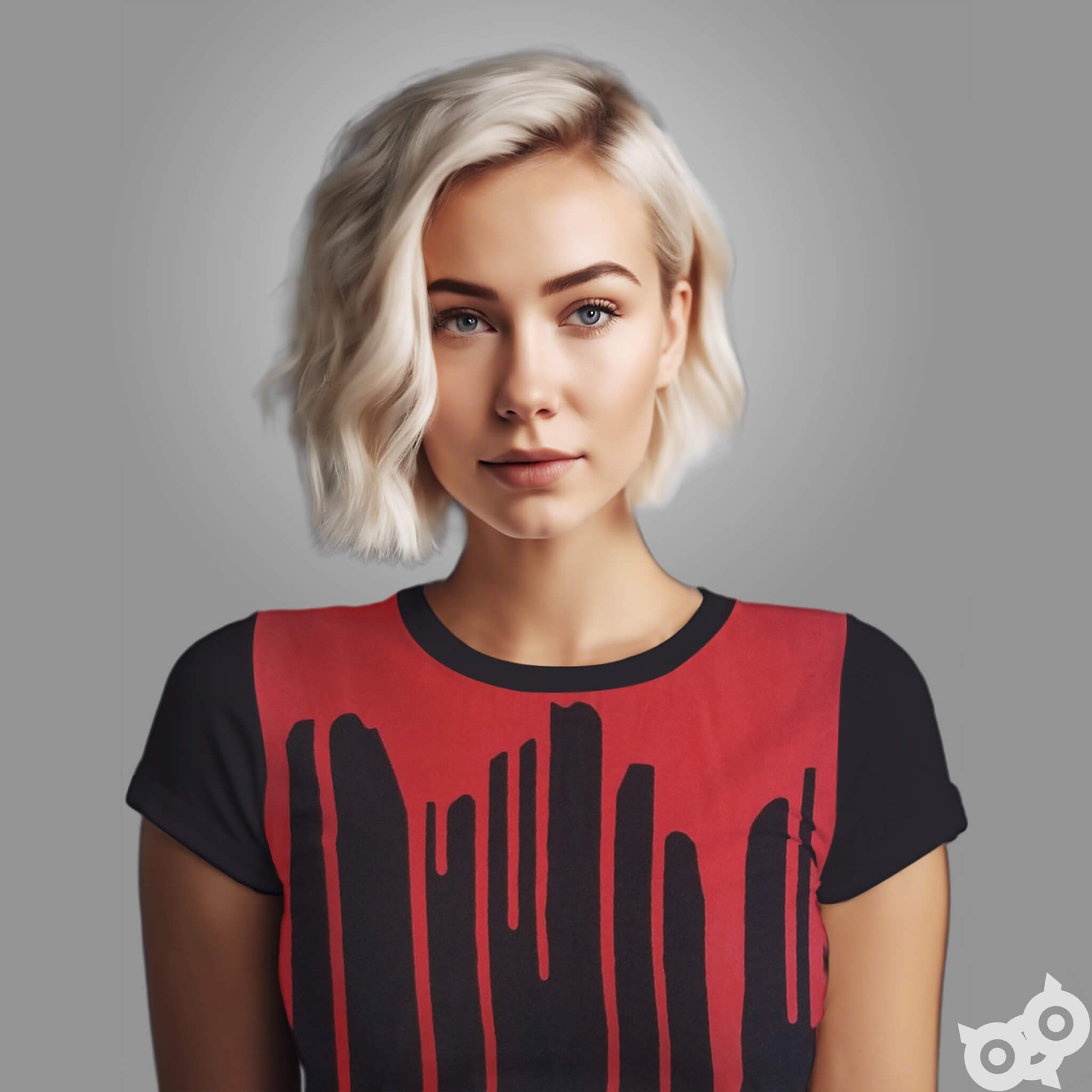
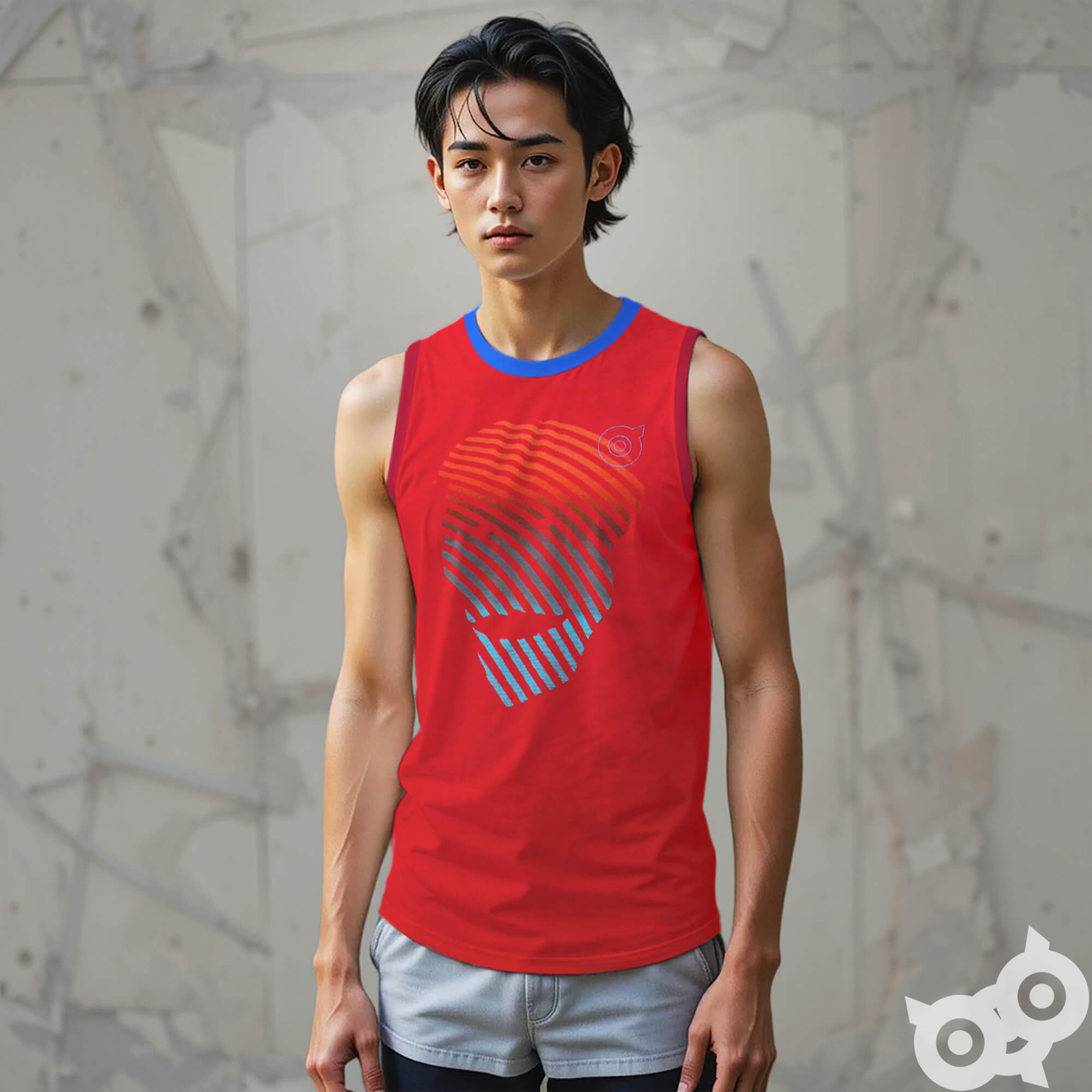
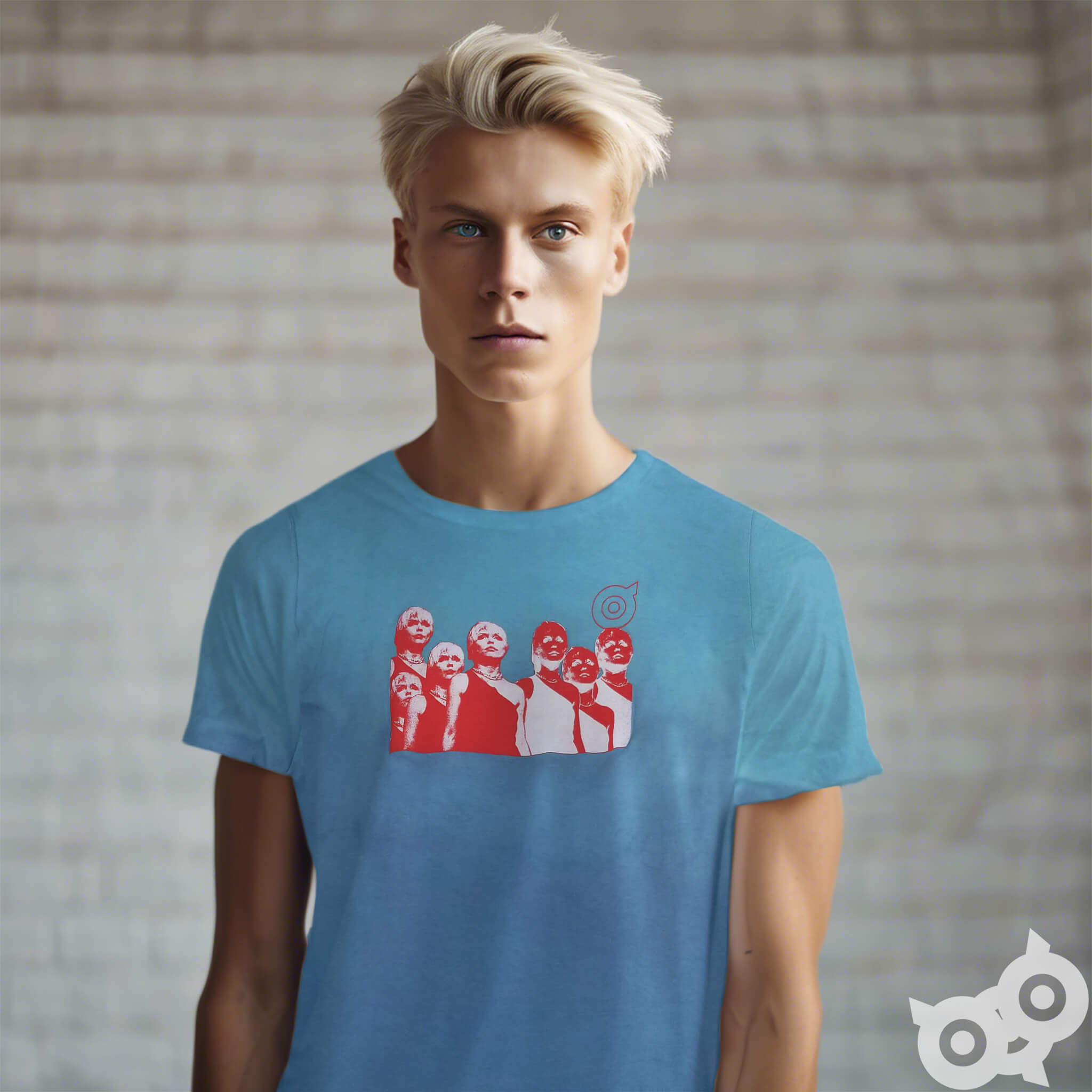
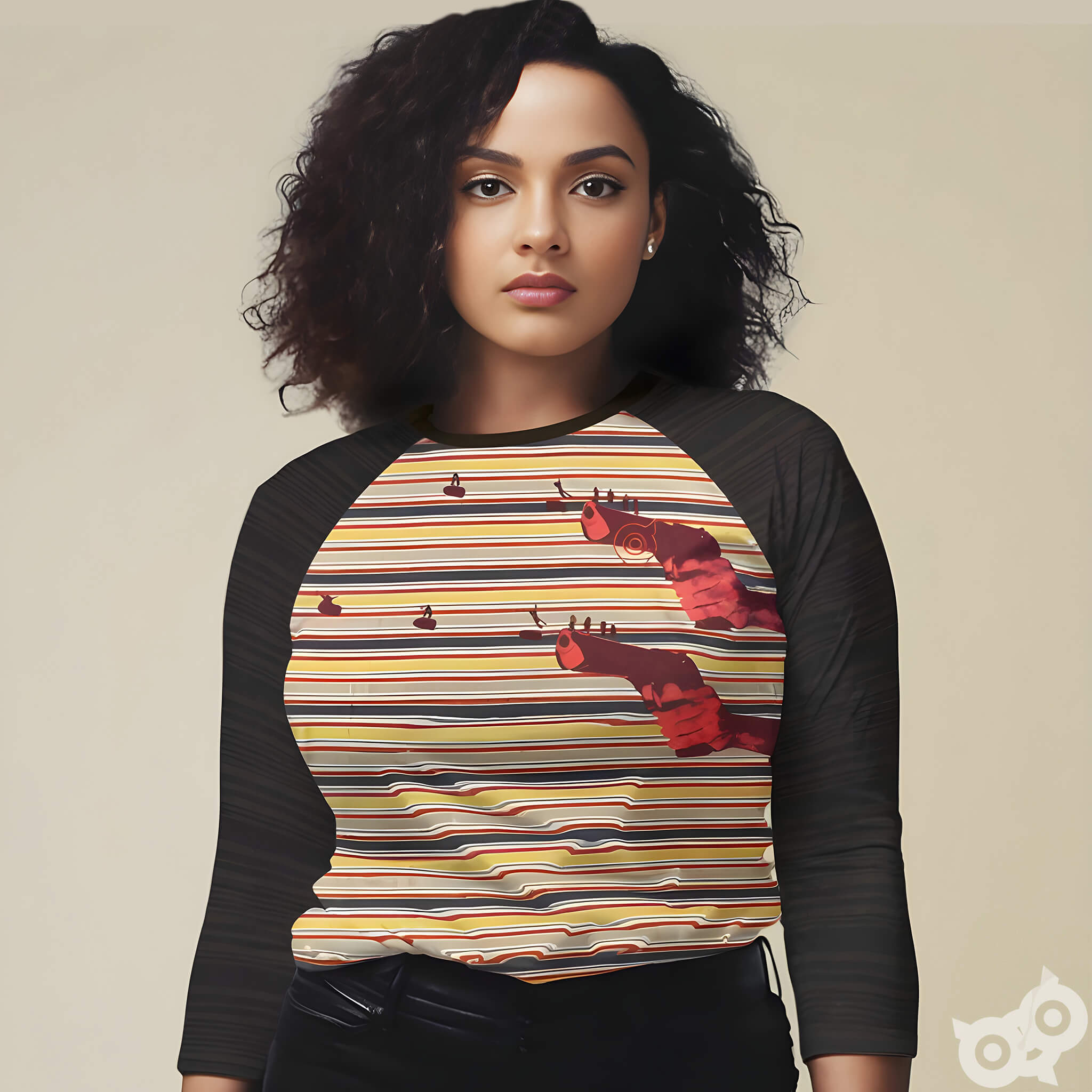
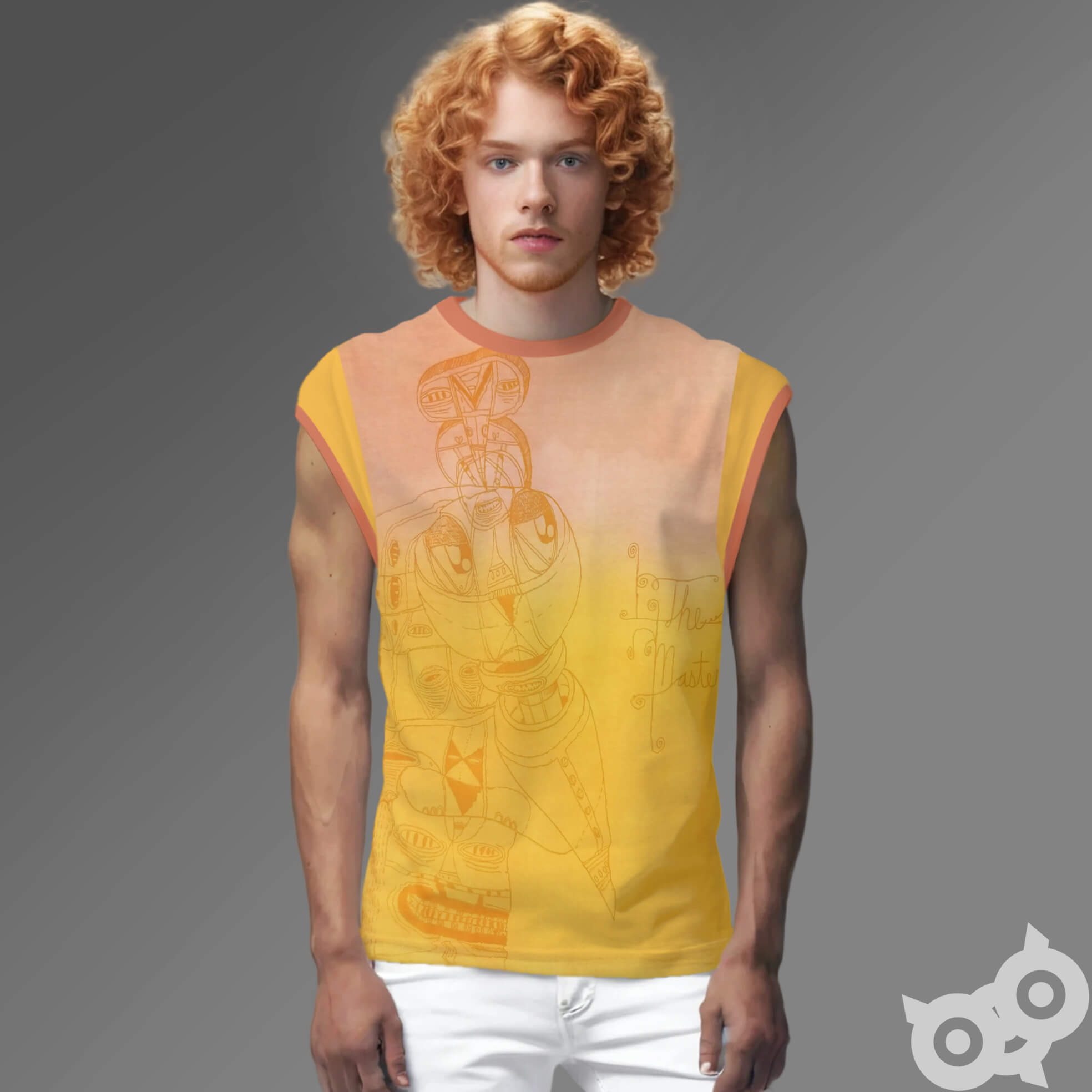
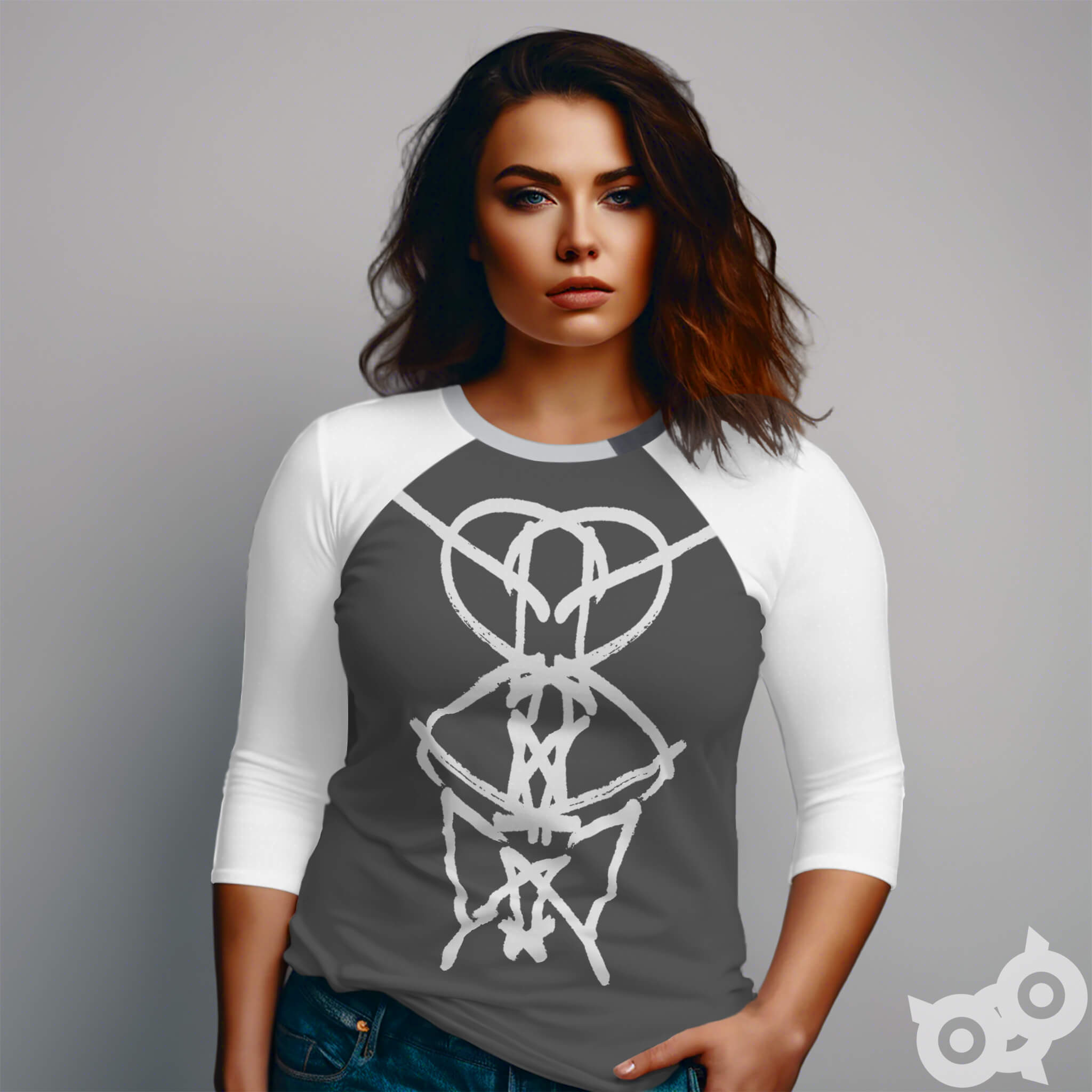
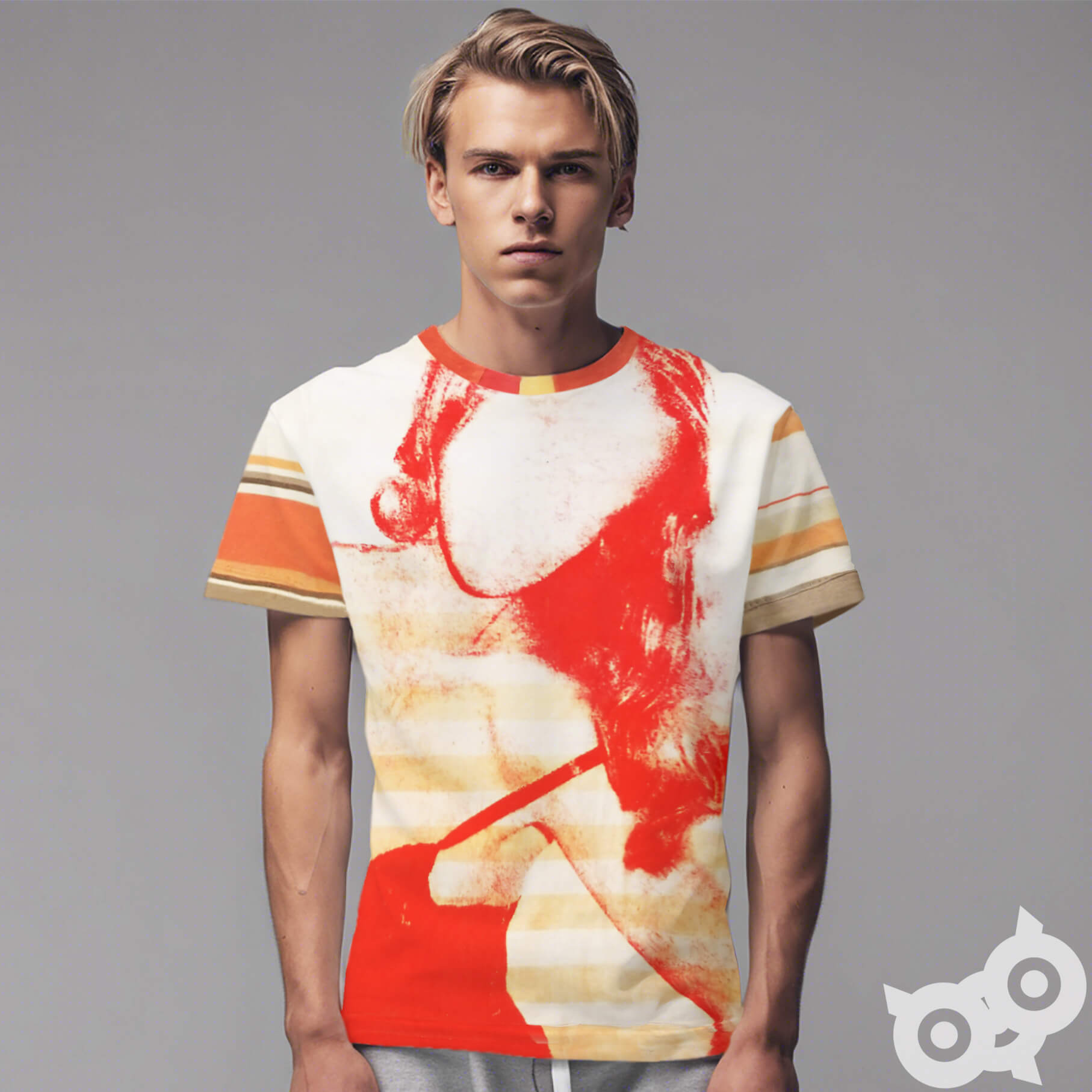
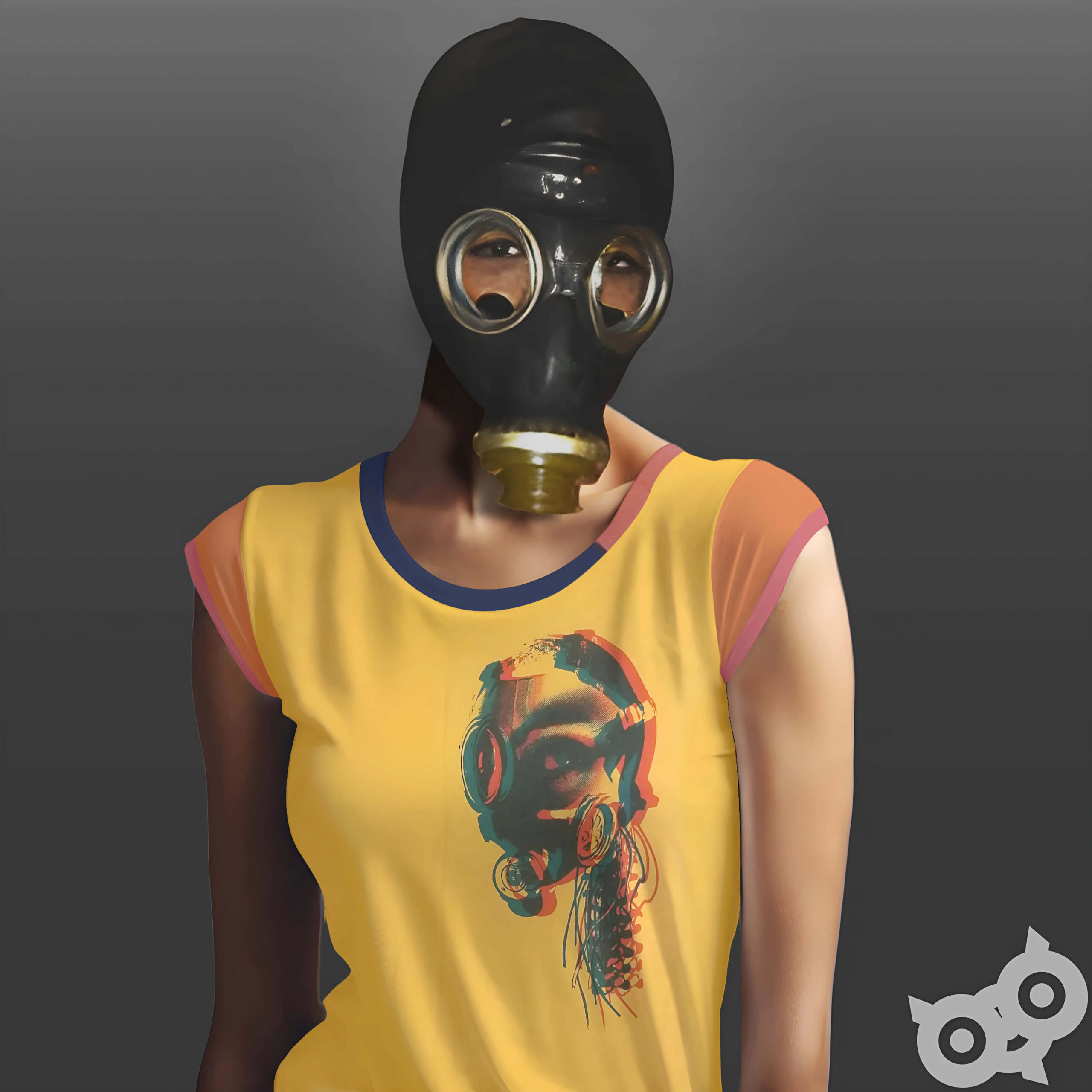
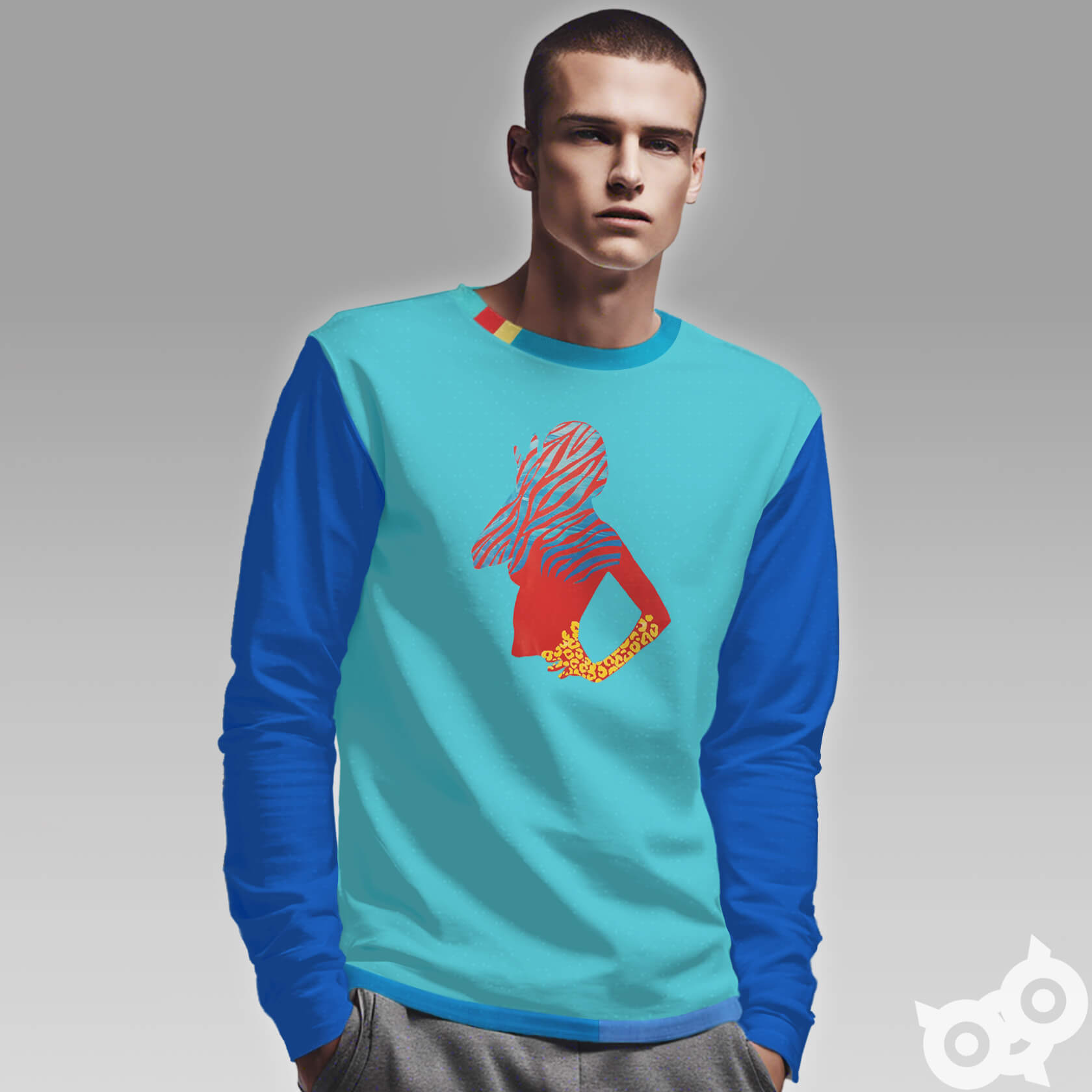
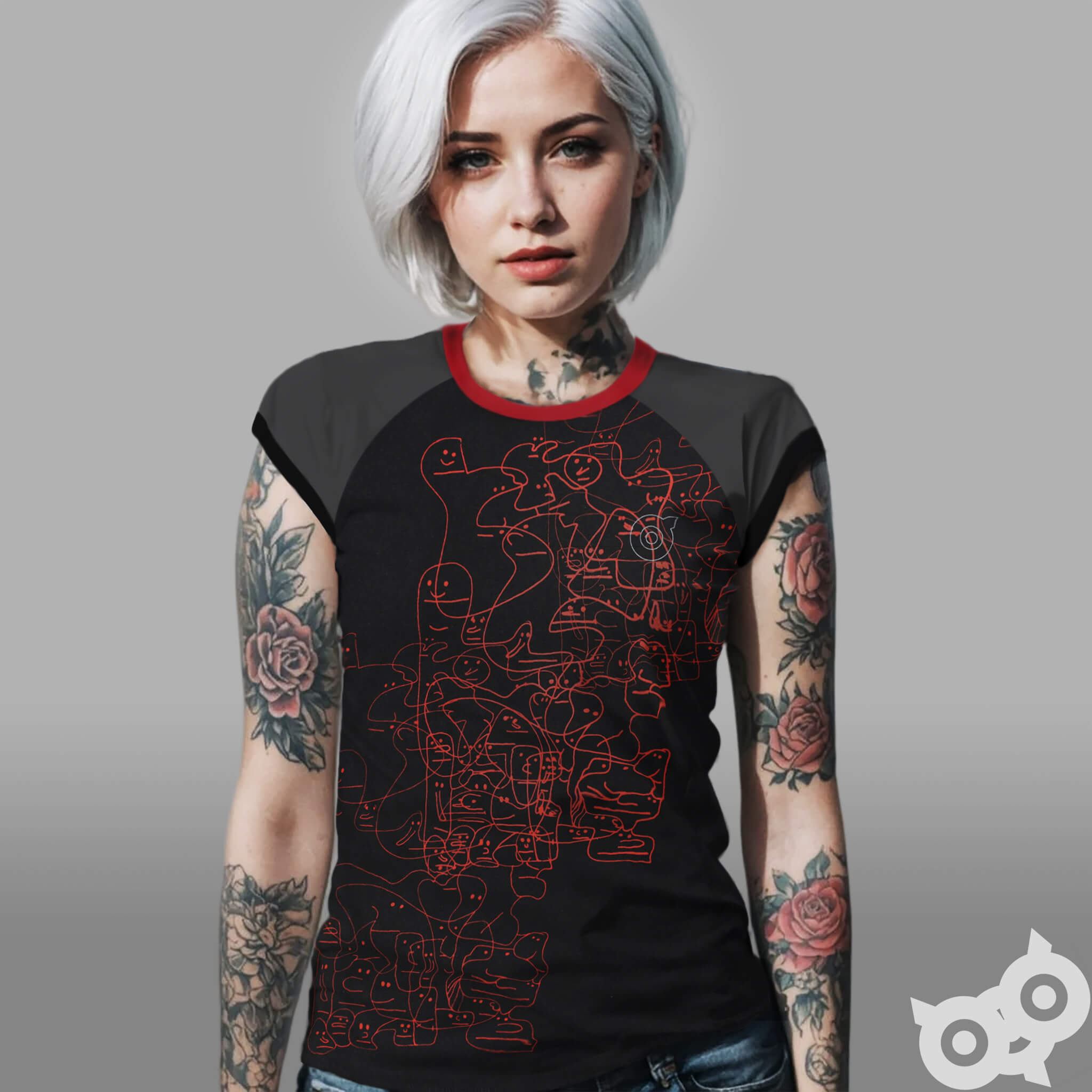
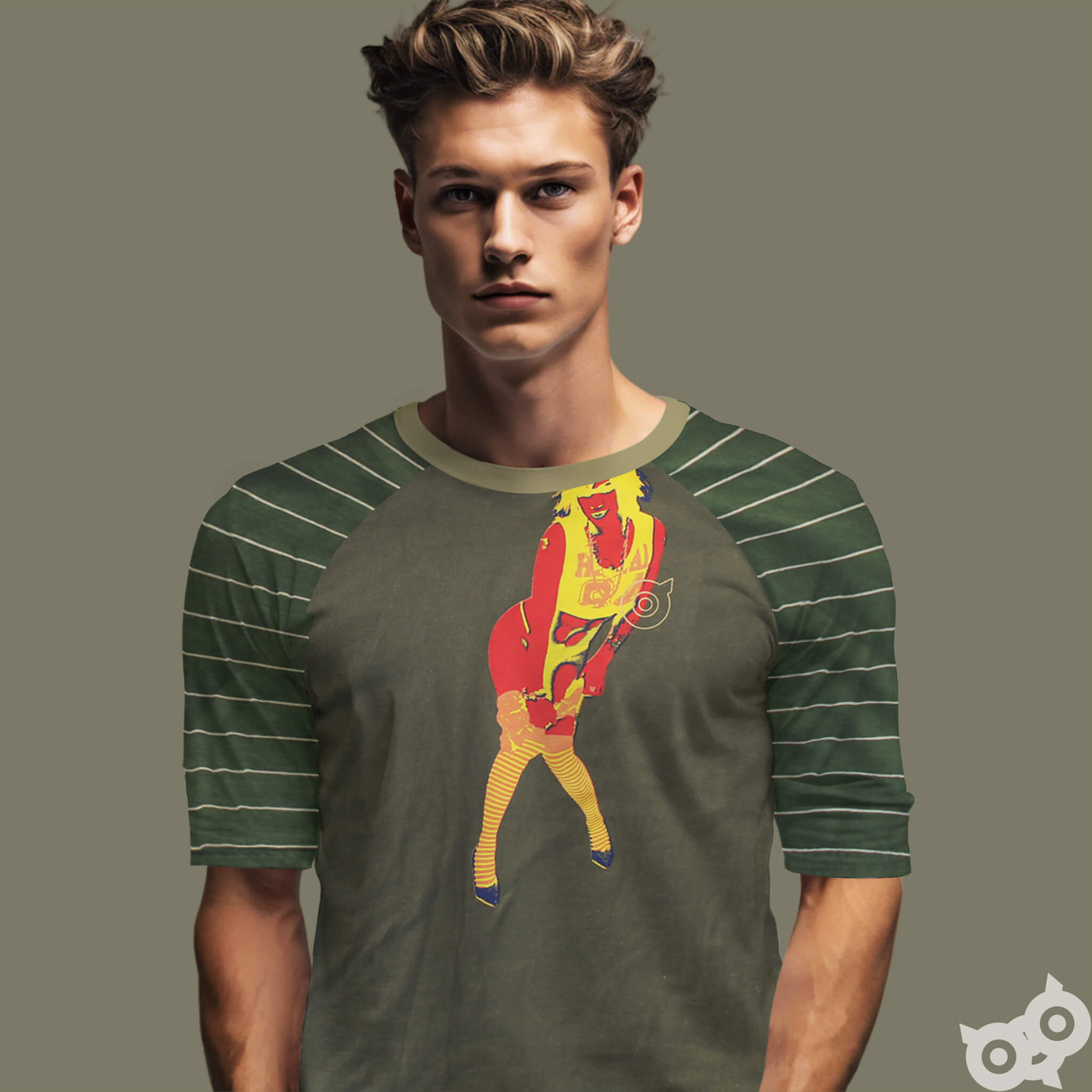
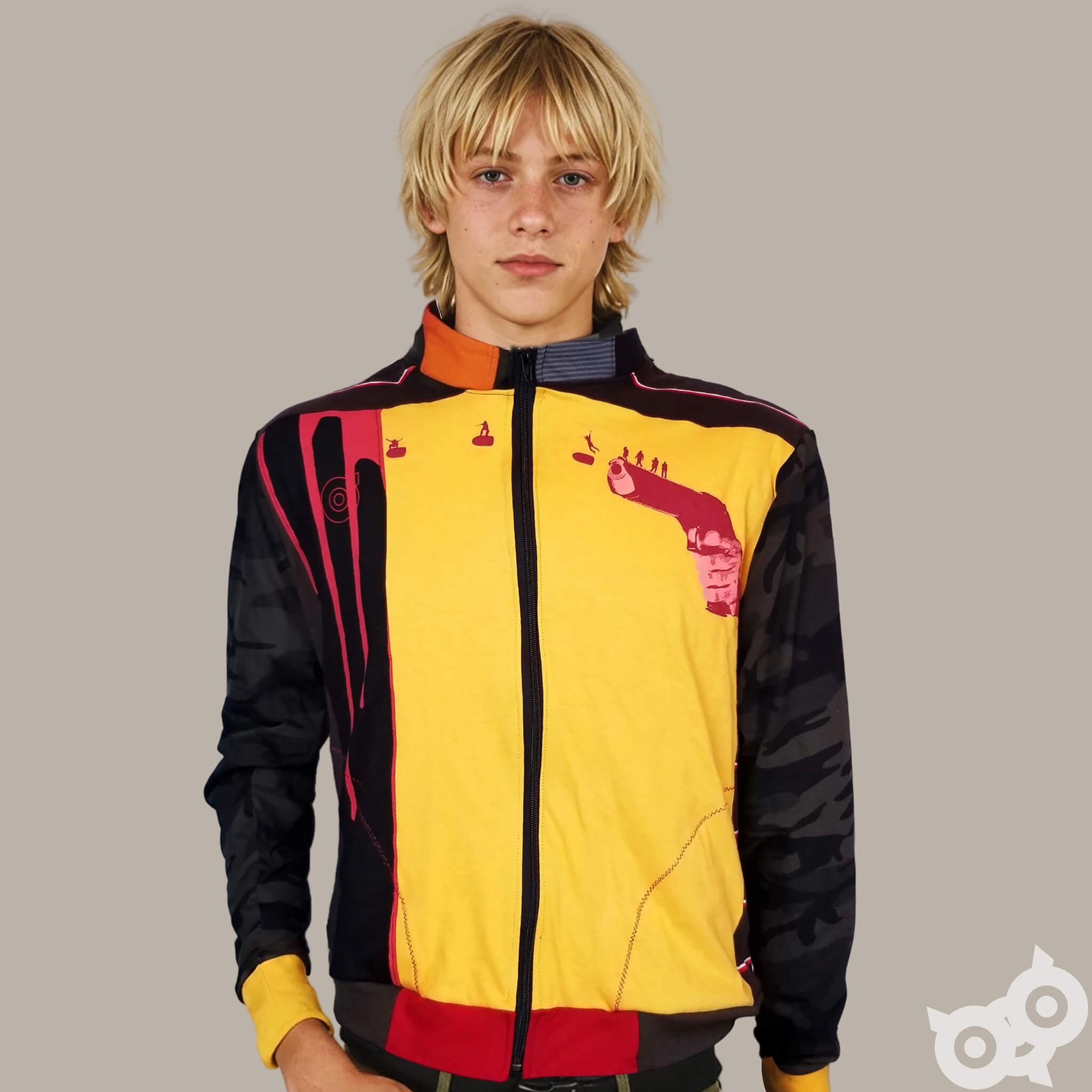
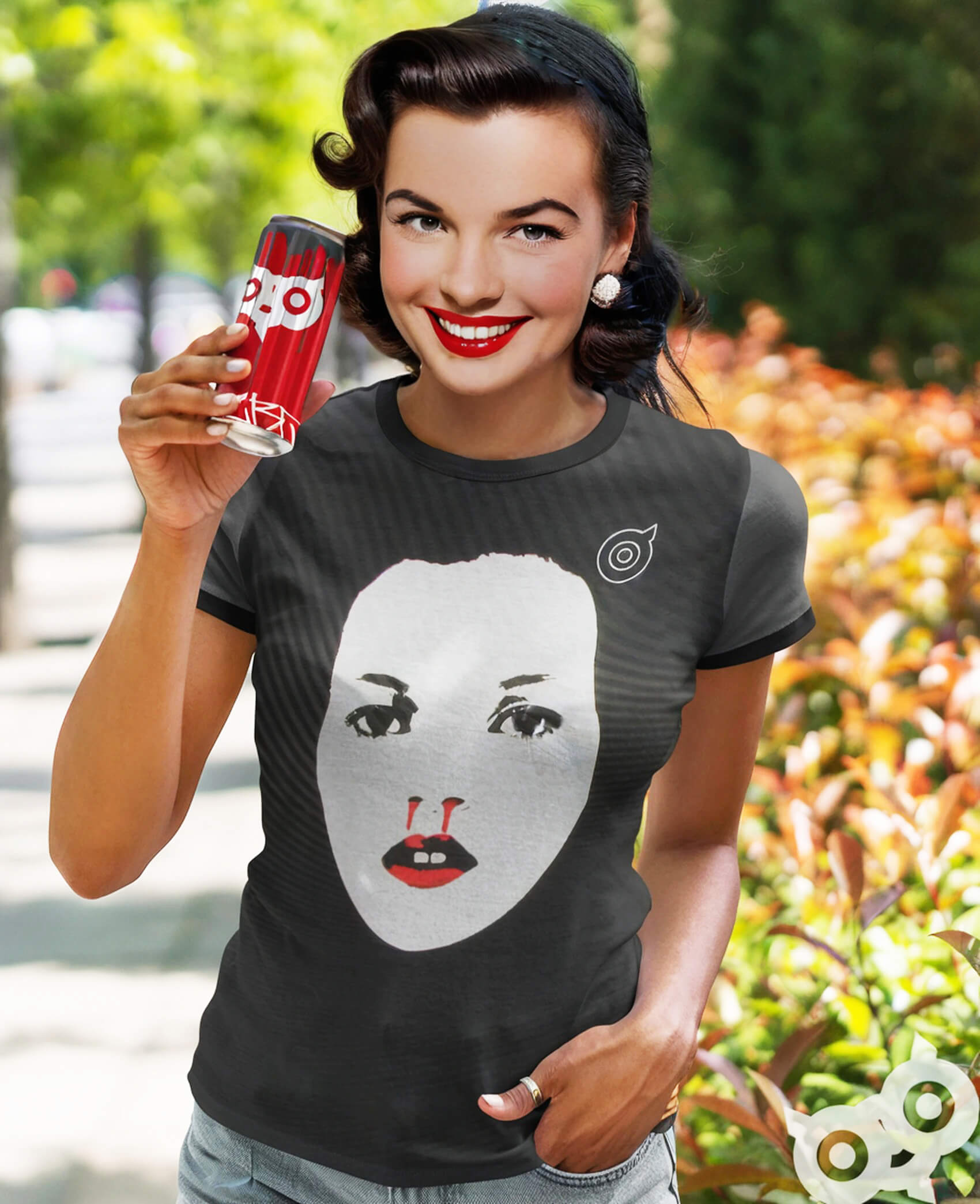
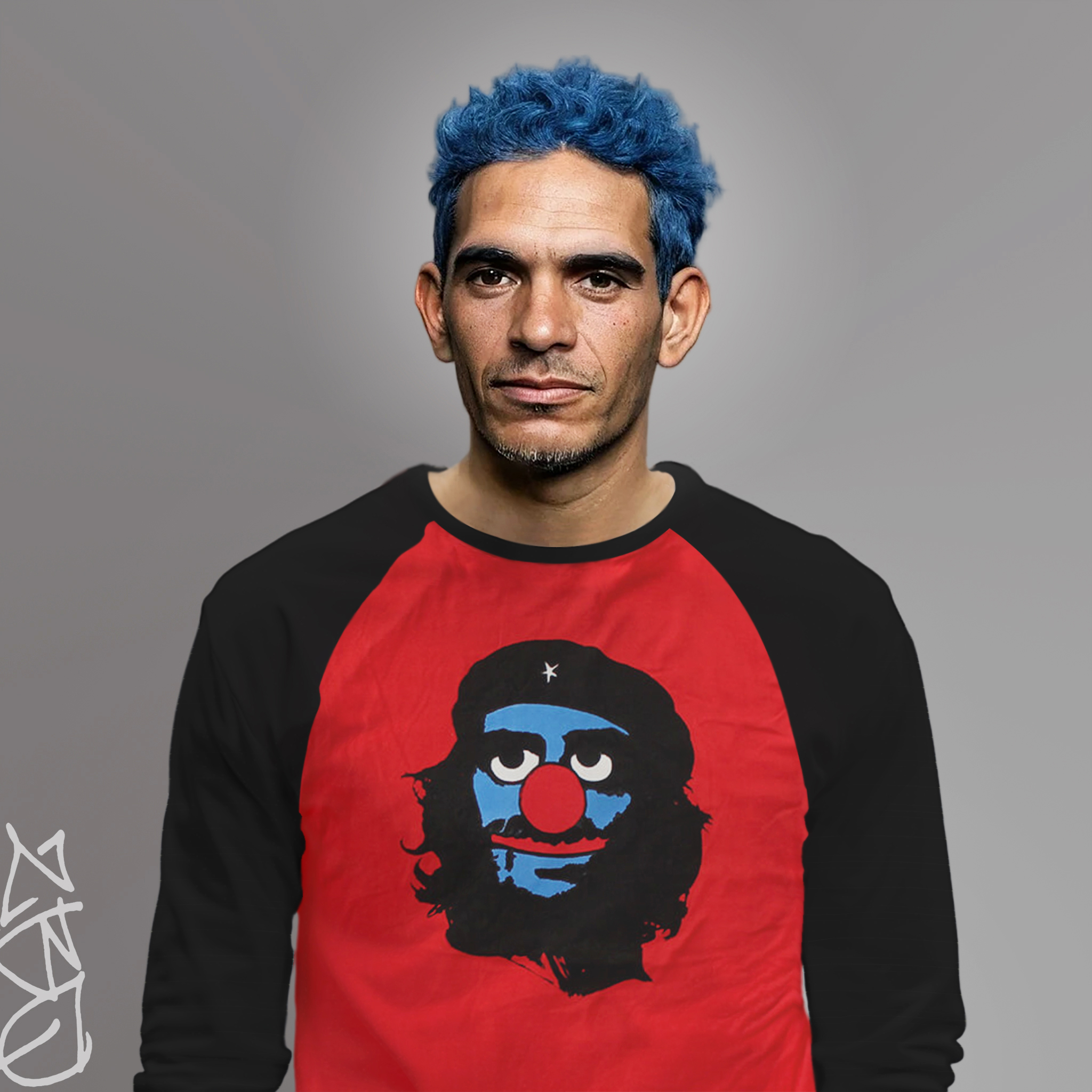
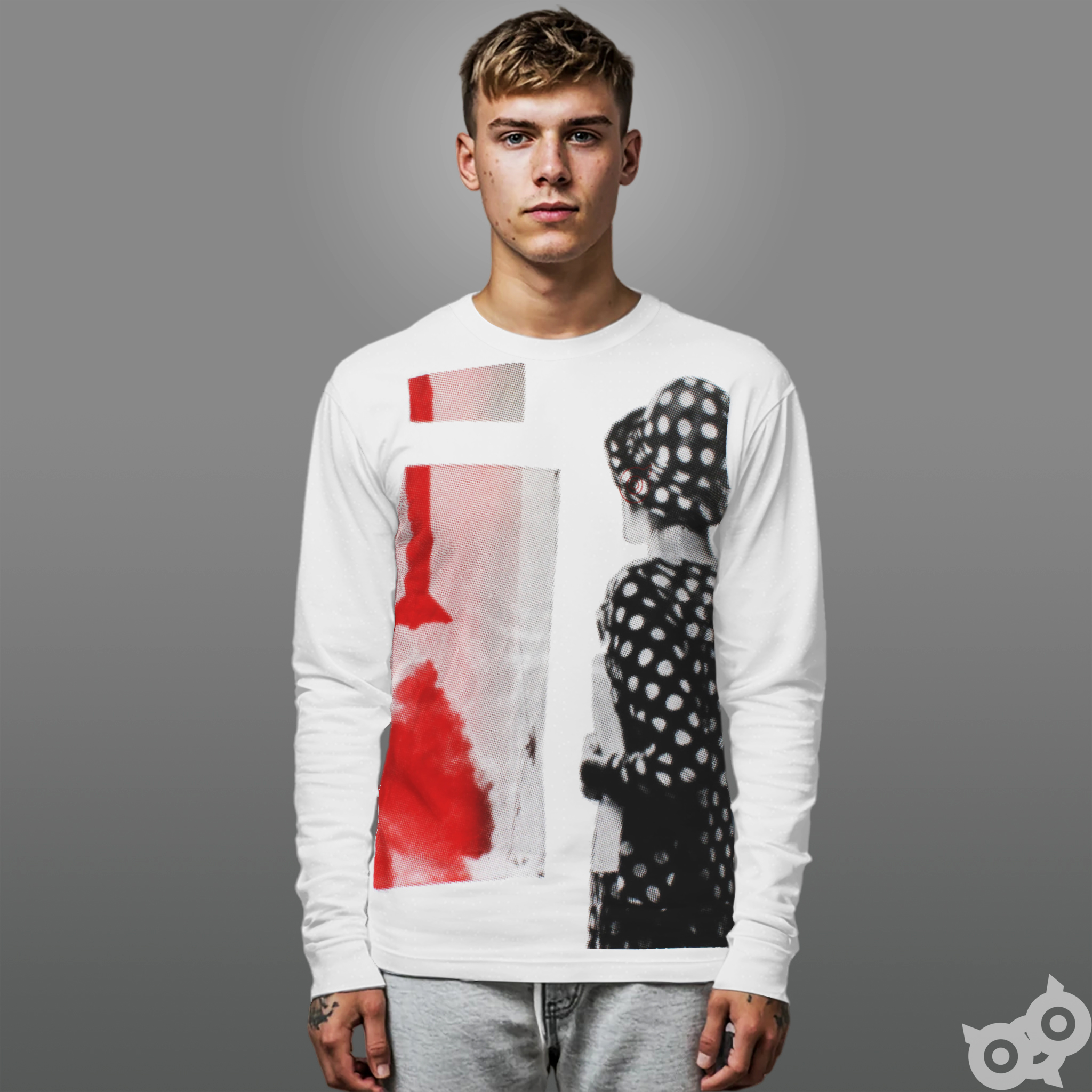
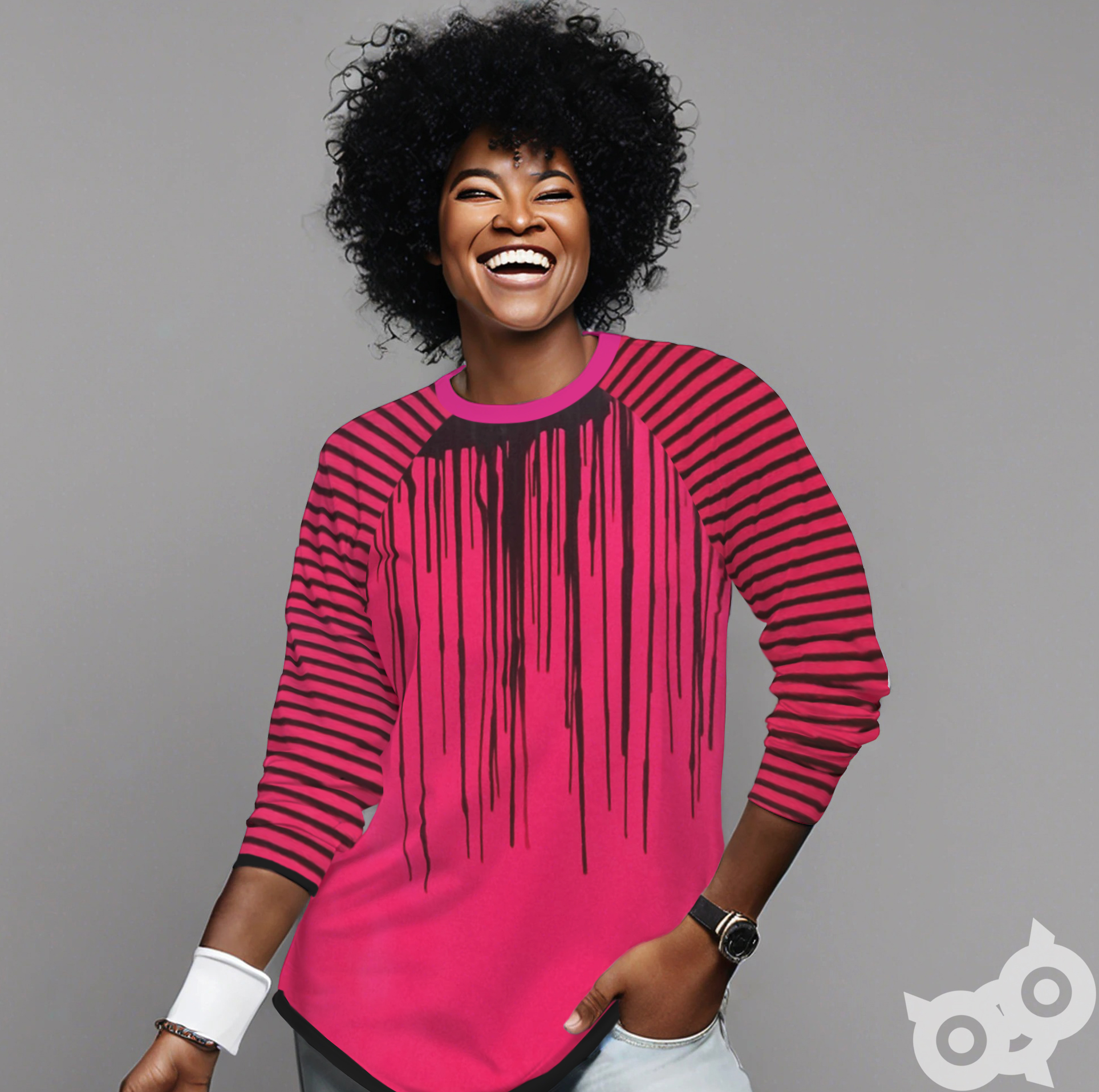
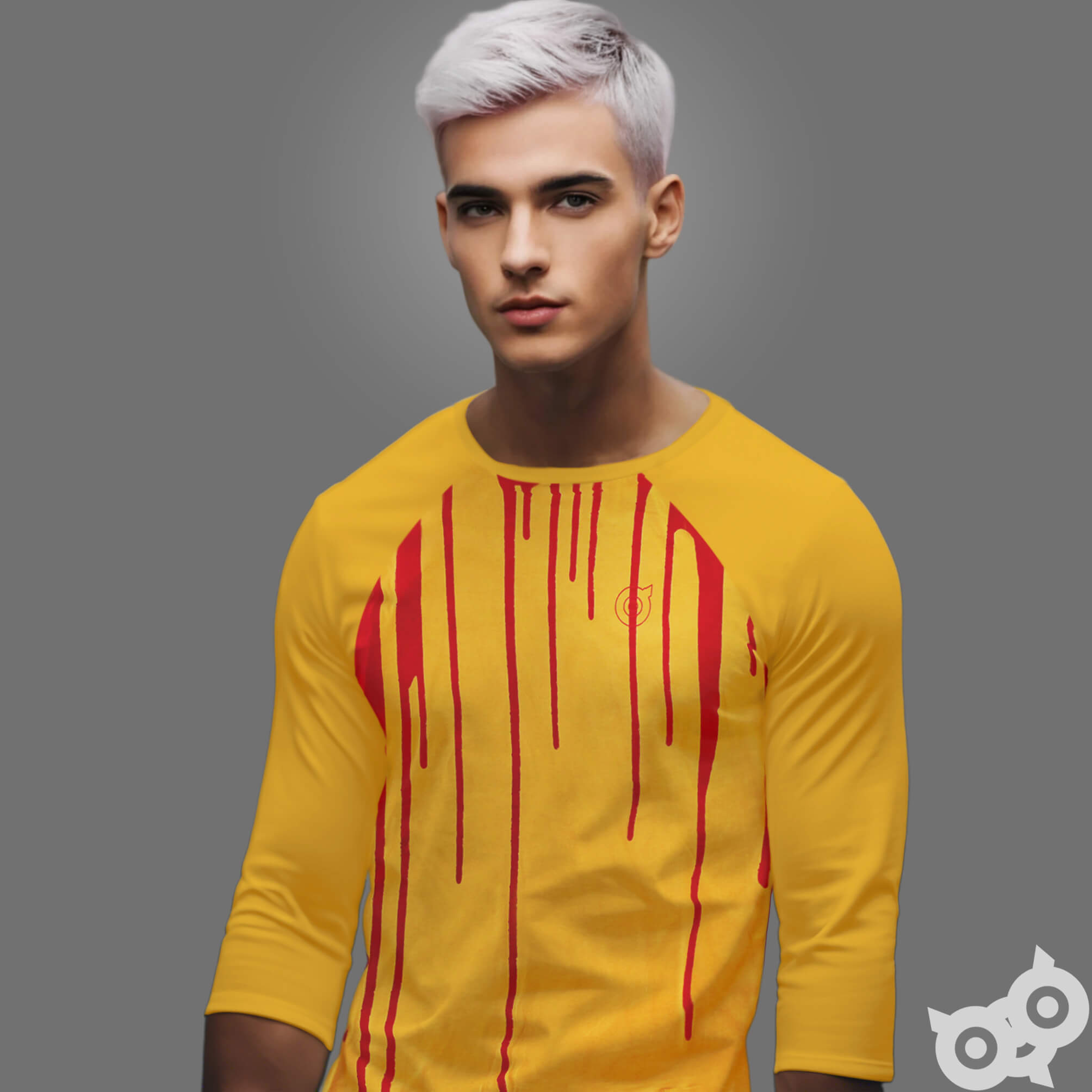
Well, yes and no. I’d say I was 90% happy with the overall results, but in the intervening months since finishing the shots I’ve become increasingly disturbed by AI’s growing omnipresence in our lives, especially online. The novelty of this fun new toy is starting to feel intrusive and invasive, and people are becoming understandably concerned. Chatbots are making people mentally lazy and delusional. AI slop videos have taken over social media, and the horror that is AI graphic “design” can be seen in the wild just about anywhere now. It is painful to the eyes and other senses, and worst of all, it steals from actual human-created content to get its ideas. So I worry not only about contributing to the problem, I also don’t want to repel potential eyeballs from my clothing due to the unfortunate associations.
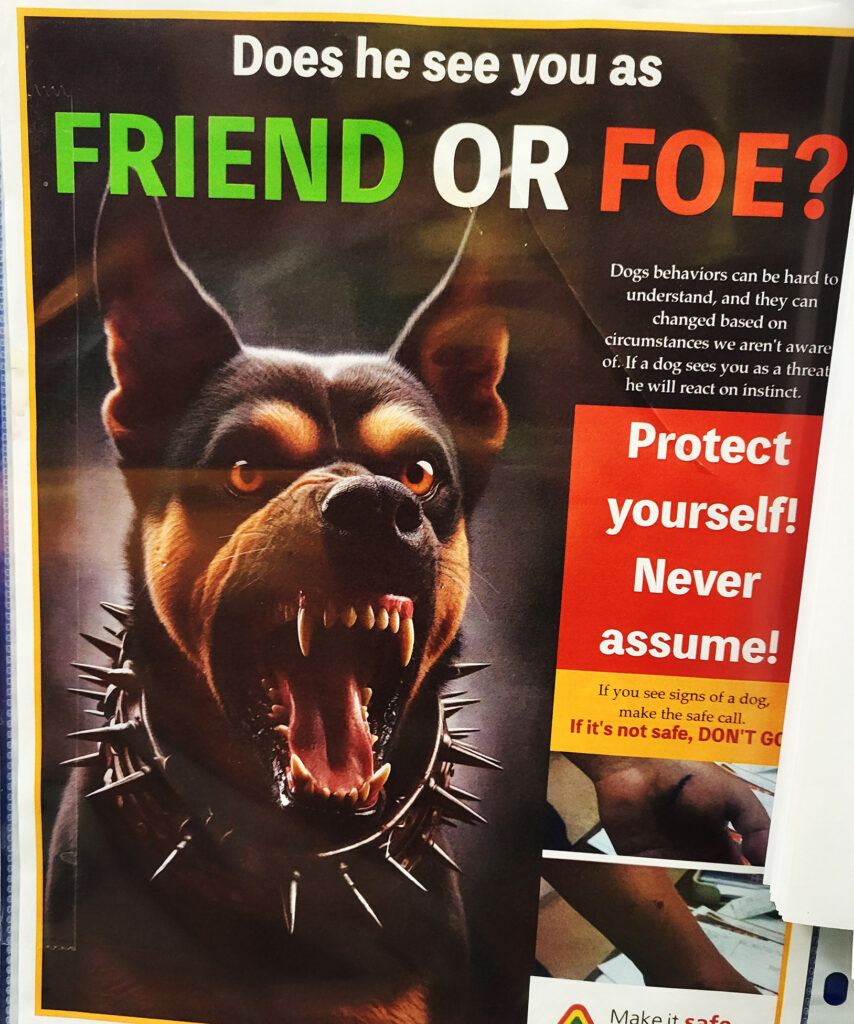
And so I’m feeling very ambivalent about sharing these product shot images with the world. I know the gut reaction of a certain percentage of people will be an immediate “no” and they will probably never give ZBQ a second chance because of it. But at the same time, these product shots are not, at least by my definition, “AI slop.” I did not just press a button, wait 5 seconds and collect my finished image. These took literally hundreds of hours of editing in Photoshop to make them look just right. I often went back and changed many different elements such as faces and hairstyles to get the vibe I was looking for. And yeah, some of them are borderline uncanny valley, and I’m OK with that. Because the point of these images isn’t the virtual humans, it’s the very real clothing that they are portrayed wearing. That very real clothing that was designed and created by very real human hands- namely mine- and features beautiful artwork also created by real, authentic, flesh-and-blood humans.
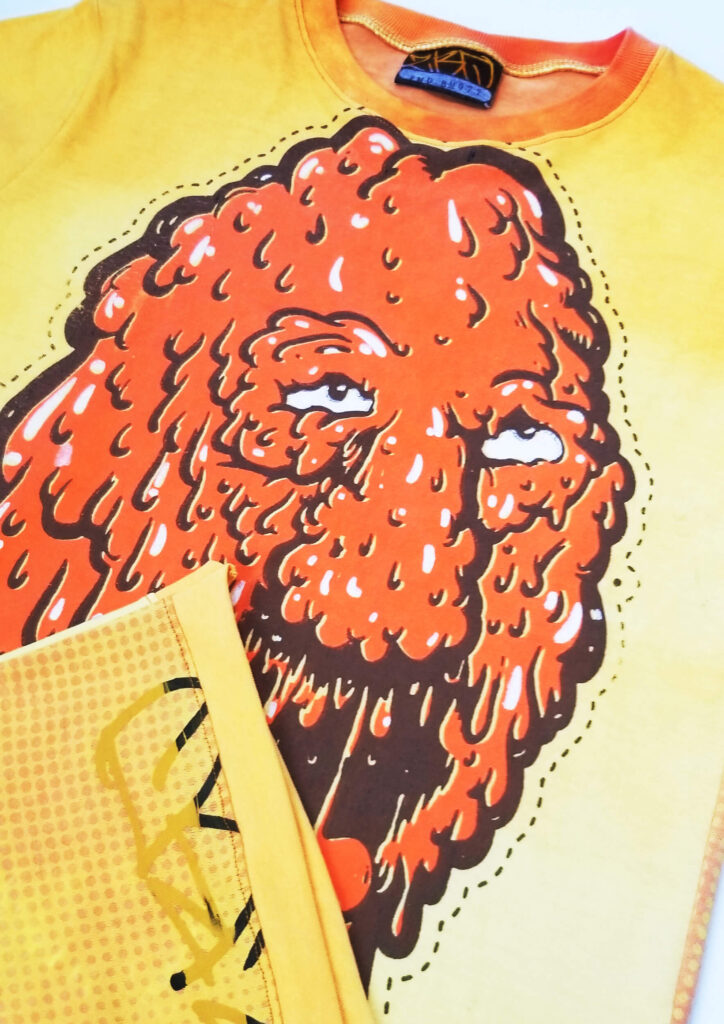
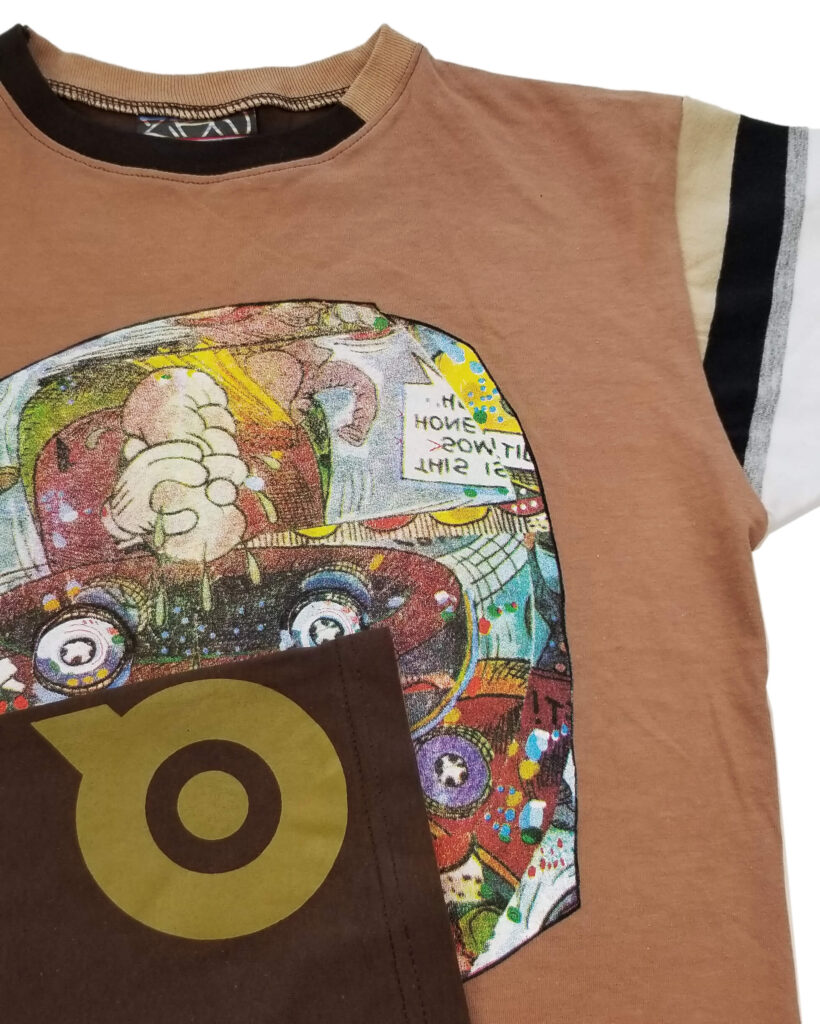
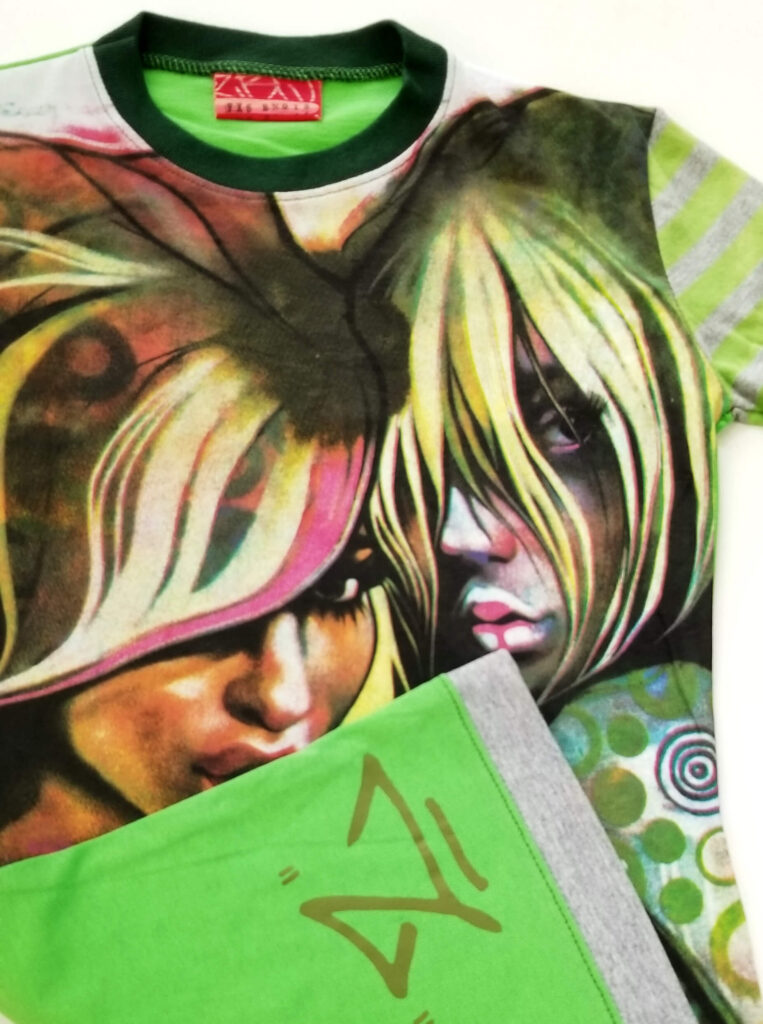
ZBQ has always been an artist-centered clothing line. I have worked with many amazing artists over the years, and in that time have always used the opportunity to put their names out there and promote their work, every chance I had. And I can unequivocally say, without a shred of doubt, that I would never even consider printing AI-generated artwork. To me that seems to miss the point of art completely. Art is about the common HUMAN experience: a language for the inexpressible aspects of what it means to exist in this world as a bi-pedal, warm-blooded mammal- with all the insane emotional, spiritual and physical experiences that go along with that. Why in God’s name would I want to look to a computer to try and express that for me in a virtual way? It’s preposterous, and it seems fundamentally wrong.
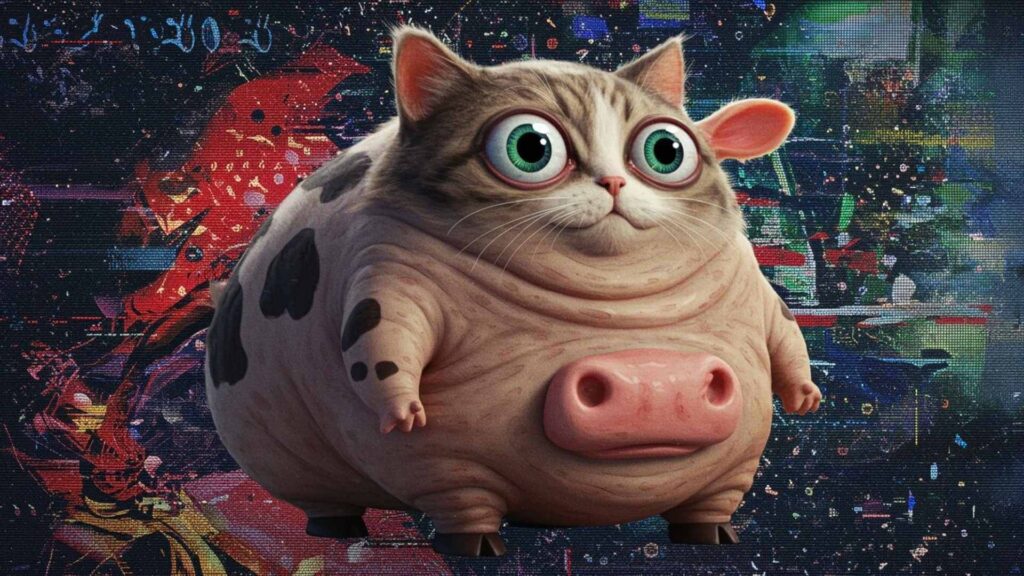
So I felt the need to make this blog post in order to clear the air about my limited use of AI. And for the record, I’m clearly not sold on it. It is a very useful tool which has helped me to make a bunch of pretty cool product shots without involving armpit contact, but beyond that I have no intention to use it for anything else. And I strongly encourage you to resist the temptation to rely too heavily on it yourself. The maxim “use it or lose it” has never been more urgent at this time, with reference to your most precious gifts of all: your intellect, your sovereignty and especially your creativity.
Personally, I can certainly see the value of using LLMs in certain circumstances. It can be a fun distraction now and then and I’m not going to pretend I haven’t enjoyed some of its fruits. I like the idea of harnessing the power of AI to potentially solve all kinds of big logistical problems humanity has wrestled with for eons. Help us cure disease and end world hunger? Yes please! Using it as a primary source of information, advice, entertainment or, worse, as a kind of substitute for your own innate expression? All things I would strongly advise against- today and every day. Because in this age of simulated everything, the world needs you- the real you- more than ever.